 Indietro
Cell Cycle, Cell Division, and Cancer: Study Notes
Guida di studio - Note intelligenti
 Appunti personalizzati basati sui tuoi materiali, ampliati con definizioni chiave, esempi e contesto.
Cell Cycle and Cancer
Introduction to the Cell Cycle
The cell cycle is a series of events that cells go through as they grow and divide. This process is essential for growth, development, and repair in multicellular organisms. The cell cycle is tightly regulated to ensure proper division and function.
Cell Division and Differentiation
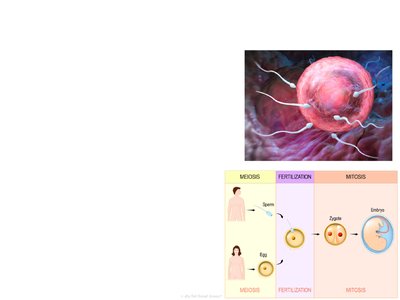
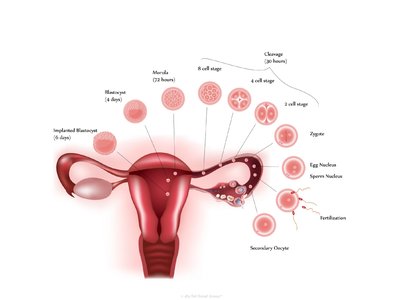
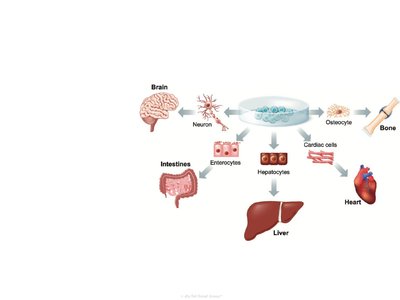
Cell division begins with a fertilized egg, or zygote, which undergoes repeated mitotic divisions to produce many identical cells. These cells then undergo differentiation, a process by which unspecialized cells become specialized for specific functions, forming tissues, organs, and organ systems.
Stem cells are undifferentiated cells capable of becoming one or more types of specialized cells.
There are two main types of stem cells:
Embryonic stem cells: Have never differentiated and can become any cell type.
Adult stem cells: Found in adult tissues (e.g., bone marrow) and are partially differentiated, giving rise to a limited range of cells.
Specialized cells form tissues, which organize into organs, and organs work together in organ systems.
Stem Cell Applications
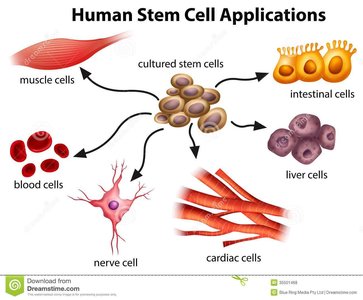
Stem cells have significant applications in medicine and research, including the creation of organoids, lab-grown tissues, and experimental treatments for diseases such as spinal cord injury, diabetes, and macular degeneration.
The Cell Cycle: Phases and Purpose
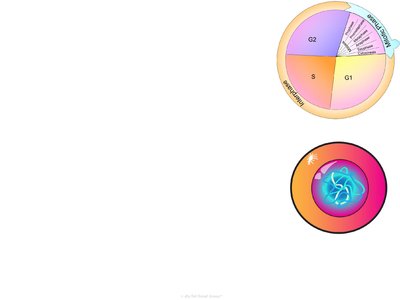
The cell cycle consists of a repeated pattern of growth, DNA duplication, and cell division in eukaryotic cells. Its main purposes are growth and repair.
Interphase: The growth phase, consisting of three parts:
G1 phase: Cell grows and synthesizes proteins.
S phase: DNA replication occurs, doubling the number of chromatids.
G2 phase: Further growth and protein synthesis.
Mitosis: Division of the nucleus.
Cytokinesis: Division of the cytoplasm, resulting in two identical daughter cells.
DNA, Chromosomes, and Genes
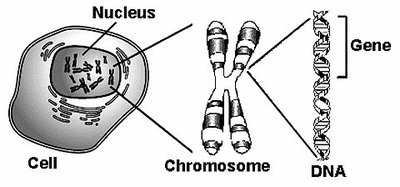
DNA is organized into structures called chromosomes, which contain thousands of genes. Each gene is a segment of DNA that codes for a specific protein. In humans, body cells contain 46 chromosomes, arranged in 23 pairs.
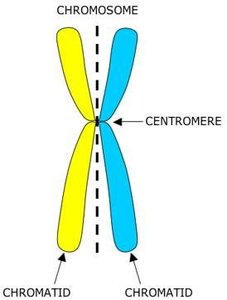
Chromatid: One half of a duplicated chromosome.
Sister chromatids: Two identical chromatids joined at a region called the centromere.
Telomere: The ends of the DNA molecule, important for chromosome stability.
DNA Replication and Chromosome Structure
During the S phase of interphase, DNA is replicated so that each chromosome consists of two sister chromatids. This ensures that each daughter cell receives a complete set of genetic instructions after cell division.
Prokaryotic cells have circular chromosomes, while eukaryotic cells have linear chromosomes.

Mitosis: Stages of Nuclear Division
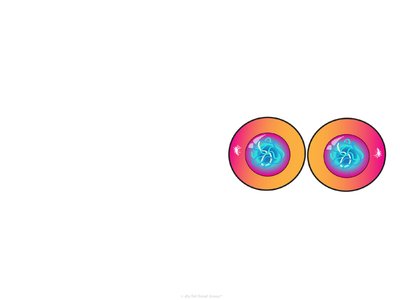
Mitosis is the process by which a cell divides its nucleus and contents. It consists of several stages:
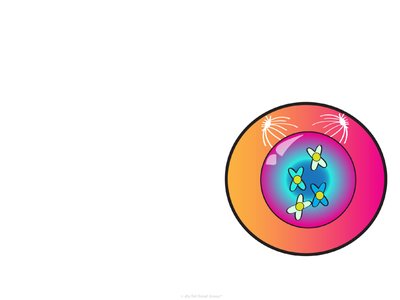
Prophase: Chromosomes condense and become visible; spindle fibers form.
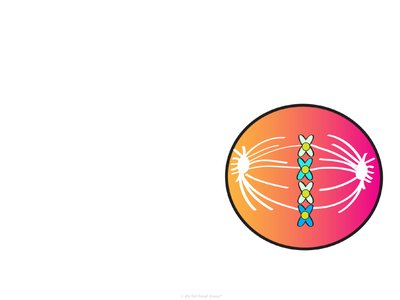
Metaphase: Chromosomes align at the cell's equator; spindle fibers attach to centromeres.
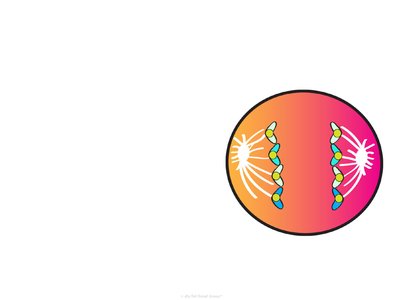
Anaphase: Sister chromatids separate and move to opposite poles.
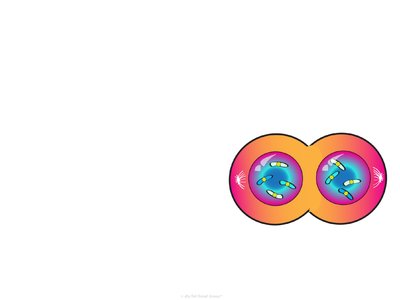
Telophase: Chromosomes decondense; nuclear membranes reform.
Cytokinesis: Cytoplasm divides, resulting in two identical cells.
Regulation of the Cell Cycle
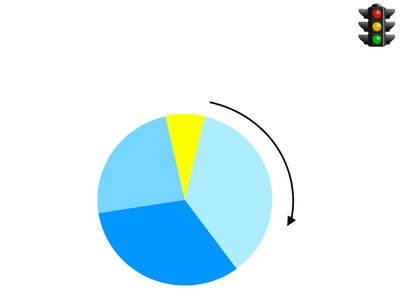
The cell cycle is regulated by a complex system of chemical signals, including proteins called cyclins and cyclin-dependent kinases (CDKs). These molecules ensure that the cell only progresses to the next stage if conditions are appropriate.
Checkpoints are critical control points where stop and go signals regulate the cycle.
Regulation can be external (e.g., hormones, nutrients) or internal (e.g., DNA integrity).
Apoptosis: Programmed Cell Death
Apoptosis is a controlled process of programmed cell death that helps remove damaged or unnecessary cells. It is essential for development and disease prevention.
Triggered by internal or external signals that activate self-destructive enzymes.
Example: Removal of webbing between fingers and toes during embryonic development.
Cancer: Uncontrolled Cell Division
Cancer results from a breakdown in the regulation of the cell cycle, leading to uncontrolled cell division and the formation of tumors.
Benign tumors: Abnormal cells remain clustered and are usually harmless.
Malignant tumors: Cancer cells break away and spread (metastasize) to other parts of the body.
Causes of cancer include genetic mutations, lifestyle factors, infections, and exposure to carcinogens (cancer-causing agents).
Summary Table: Cell Cycle and Cancer
Process | Purpose | Key Features |
|---|---|---|
Cell Cycle | Growth, repair, and maintenance | Interphase (G1, S, G2), Mitosis, Cytokinesis |
Mitosis | Nuclear division | Prophase, Metaphase, Anaphase, Telophase |
Apoptosis | Programmed cell death | Controlled removal of cells |
Cancer | Uncontrolled cell division | Loss of regulation, tumor formation, metastasis |
Key Equations and Concepts
DNA replication during S phase ensures genetic continuity:
Diploid cells (2n) have two sets of chromosomes; mitosis produces two identical diploid cells.
Additional info: The cell cycle is fundamental to all living organisms, and its dysregulation is a hallmark of cancer. Understanding these processes is essential for fields such as genetics, developmental biology, and medicine.
