 Indietro
Cell Cycle, Chromosomes, and Cell Division: Study Notes for General Biology
Guida di studio - Note intelligenti
 Appunti personalizzati basati sui tuoi materiali, ampliati con definizioni chiave, esempi e contesto.
Cellular Organization of Genetic Material
Genome and Chromosomes
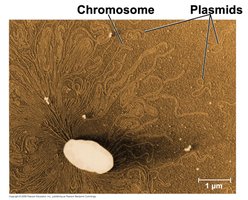
The genome is the complete set of DNA in a cell, containing all genetic information necessary for life. Prokaryotic cells typically possess a single circular DNA molecule, while eukaryotic cells contain several linear chromosomes.
Genome: All DNA in a cell; includes genes and non-coding regions.
Prokaryotes: Single circular chromosome, often accompanied by plasmids.
Eukaryotes: Multiple linear chromosomes housed in the nucleus.
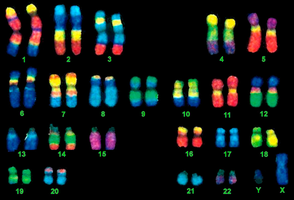
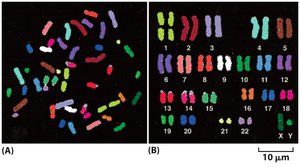
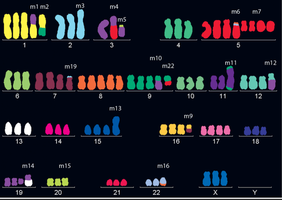
Karyotype: The complete set of chromosomes in a cell, visualized for analysis.
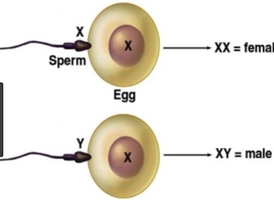
Human Chromosomes: 22 pairs of autosomes and 1 pair of sex chromosomes (XX for females, XY for males).
Sex Determination: The sperm determines the sex of the offspring by carrying either an X or Y chromosome.
Karyotyping and Chromosomal Disorders
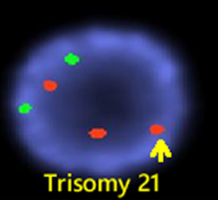
Karyotyping is a technique used to visualize chromosomes and detect abnormalities. In situ hybridization can identify specific chromosomes and diagnose genetic disorders such as trisomy 21 (Down syndrome).
Trisomy 21: Presence of an extra chromosome 21, leading to Down syndrome.
HeLa Cell Line: The first immortal human cell line, used extensively in scientific research.
The Cell Cycle
Overview of Cell Cycle Stages
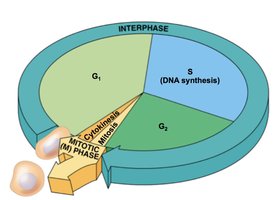
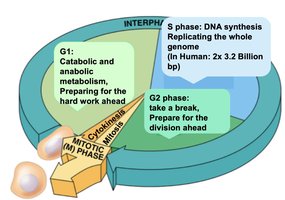
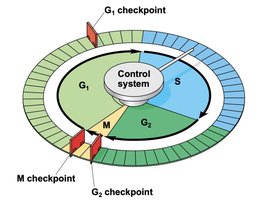
The cell cycle is the series of events that cells undergo to grow and divide. It consists of four main stages: G1, S, G2, and M phase (mitosis and cytokinesis).
G1 phase: Cell growth and preparation for DNA replication.
S phase: DNA synthesis; the genome is replicated.
G2 phase: Preparation for cell division.
M phase: Mitosis (nuclear division) and cytokinesis (cytoplasmic division).
Mitosis, Meiosis, and Cytokinesis
Mitosis
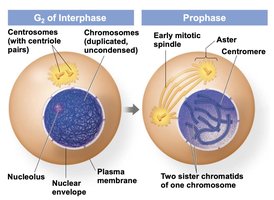
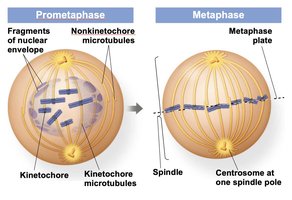
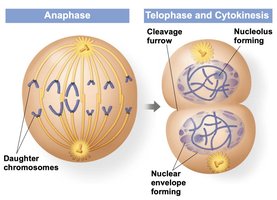
Mitosis is the process by which eukaryotic cells divide their nucleus, resulting in two genetically identical daughter cells. It is essential for growth, repair, and asexual reproduction.
Stages of Mitosis: Prophase, Prometaphase, Metaphase, Anaphase, Telophase.
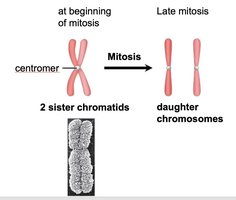
Chromosome Structure: At the start, chromosomes consist of two sister chromatids joined at the centromere.
Outcome: Each daughter cell receives an identical set of chromosomes.
Meiosis
Meiosis is the process by which gametes (egg and sperm) are produced, reducing the chromosome number by half. This ensures genetic diversity and maintains chromosome number across generations.
Haploid Gametes: Each gamete contains half the chromosomes of the parent cell.
Genetic Variation: Meiosis introduces variation through crossing over and independent assortment.
Cytokinesis
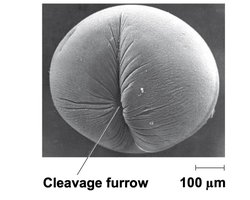
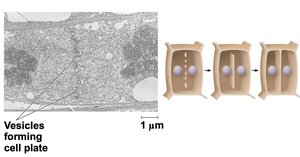
Cytokinesis is the division of the cytoplasm following mitosis or meiosis. In animal cells, it occurs via cleavage furrow formation; in plant cells, a cell plate forms.
Animal Cells: Cleavage furrow pinches the cell into two.
Plant Cells: Vesicles form a cell plate that becomes the new cell wall.
Mechanisms of Chromosome Movement
Microtubules and Chromosome Segregation
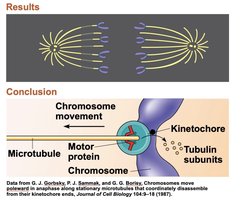
Microtubules are essential for chromosome movement during mitosis. Experimental labeling has shown that microtubules shorten at the kinetochore end, pulling chromosomes toward the poles.
Kinetochore: Protein structure on chromosomes where microtubules attach.
Microtubule Shortening: Occurs at the kinetochore, facilitating chromosome movement.

Cell Cycle Control and Checkpoints
Checkpoints and Regulation
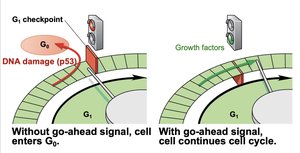
The cell cycle is tightly regulated by checkpoints that ensure proper division and prevent errors. The G1 checkpoint is particularly important, as it assesses DNA integrity before replication.
G1 Checkpoint: Checks for DNA damage; cells may enter G0 if damage is detected.
P53 Tumor Suppressor: Key gene involved in halting the cell cycle and inducing apoptosis in response to DNA damage.
G2 and M Checkpoints: Ensure DNA is fully replicated and chromosomes are properly aligned before division.
Cancer Resistance in Elephants
Elephants have a remarkably low cancer rate due to their high number of p53 gene copies, which enhances their ability to remove damaged cells via apoptosis.
Elephants: Possess 40 copies of p53, compared to 2 in humans.
Apoptosis: Programmed cell death triggered by p53 in response to DNA damage.
Implication: Increased p53 activity leads to efficient removal of potentially cancerous cells.
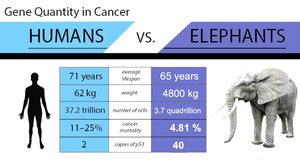
Table: Comparison of Human and Elephant Cancer Resistance
Species | Average Lifespan | Number of Cells | p53 Copies | Cancer Mortality |
|---|---|---|---|---|
Humans | 71 years | 37.2 trillion | 2 | 11-25% |
Elephants | 65 years | 3.7 quadrillion | 40 | 4.81% |
Key Equations
DNA Replication: During S phase, the entire genome is duplicated.
Chromosome Number in Humans:
