 Indietro
Cell Division and Cell Cycle: Structure, Phases, and Regulation
Guida di studio - Note intelligenti
 Appunti personalizzati basati sui tuoi materiali, ampliati con definizioni chiave, esempi e contesto.
Cell Division and Cell Cycle
Genome, Chromatin, and Chromosomes
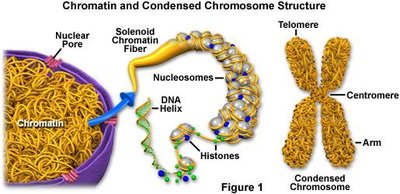
The genome is the complete set of DNA in a cell, containing all its genes. DNA is organized as chromatin—long, thin strands of DNA wound around proteins, which are invisible under a microscope when unwound. During cell division, chromatin condenses into visible chromosomes.
Chromatin: DNA-protein complex, unwound and invisible in non-dividing cells.
Chromosomes: Condensed chromatin, visible during cell division.
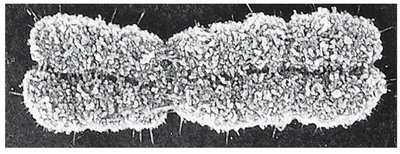
Structure: Chromosomes consist of two sister chromatids joined at a centromere after DNA replication.
Example: Human somatic cells have 46 chromosomes (diploid), gametes have 23 (haploid).
Prokaryotic vs. Eukaryotic Chromosomes
Prokaryotes typically possess a single circular chromosome, while eukaryotes have multiple linear chromosomes housed in the nucleus.
Somatic Cells: Diploid, contain two sets of chromosomes.
Gametes: Haploid, contain one set of chromosomes.
Chromosome Duplication and Mitosis
Before cell division, the entire genome is duplicated during the S phase. Each chromosome then consists of two identical sister chromatids. Mitosis separates these chromatids, distributing them equally to daughter cells.
Mitosis: Division of the nucleus.
Cytokinesis: Division of the cytoplasm.
The Cell Cycle
Phases of the Cell Cycle
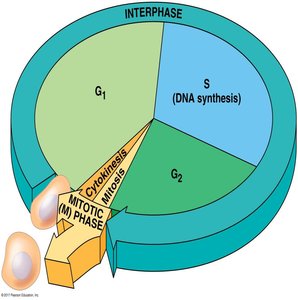
The cell cycle is divided into several distinct phases, each with specific functions. Interphase includes G1, S, and G2 phases, while the M phase encompasses mitosis and cytokinesis.
G1 phase: First gap, cell growth.
S phase: DNA synthesis.
G2 phase: Second gap, preparation for mitosis.
M phase: Mitosis and cytokinesis.
G0 phase: Quiescent state, non-dividing cells.
Mitosis: Nuclear Division
Overview of Mitosis
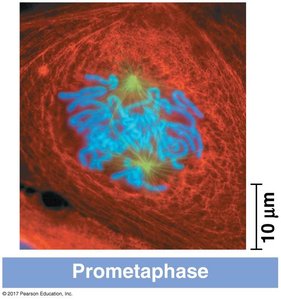
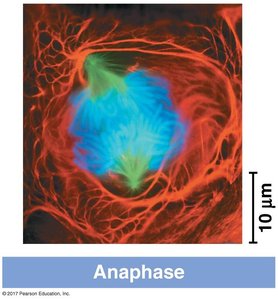
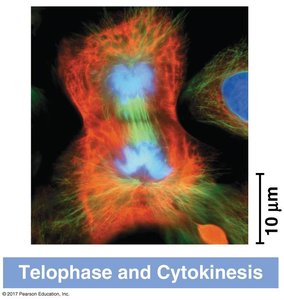
Mitosis is the process by which somatic cells divide, producing two genetically identical daughter cells. It consists of five phases: prophase, prometaphase, metaphase, anaphase, and telophase.
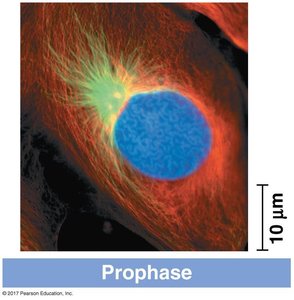
Prophase: Chromosomes condense, nucleoli disappear, spindle forms.
Prometaphase: Nuclear envelope dissolves, spindle attaches to kinetochores.
Metaphase: Chromosomes align at the metaphase plate.
Anaphase: Sister chromatids separate and move to opposite poles.
Telophase: Nuclear envelopes reform, chromosomes de-condense.
Cytokinesis: Cleavage furrow (animals) or cell plate (plants) divides the cell.
Mitotic Spindle and Chromosome Movement
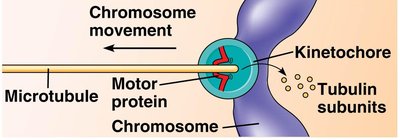
The mitotic spindle, composed of microtubules anchored to centrosomes, is essential for chromosome movement during mitosis. Microtubules attach to chromosomes at kinetochores, facilitating their segregation.
Centrosome: Microtubule organizing center (MTOC).
Kinetochores: Protein structures at centromeres where spindle fibers attach.
Animal vs. Plant Cell Cytokinesis
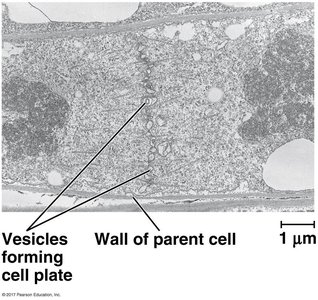
Cytokinesis differs between animal and plant cells. Animal cells form a cleavage furrow, while plant cells develop a cell plate from Golgi-derived vesicles.
Animal cells: Cleavage furrow pinches cell in two.
Plant cells: Cell plate forms, leading to new cell wall.
Binary Fission in Prokaryotes
Mechanism of Binary Fission
Binary fission is the process by which prokaryotes (bacteria) divide. After DNA replication, chromosomes attach to the plasma membrane, and the cell splits into two genetically identical offspring.
Single circular chromosome: Replicated and segregated to opposite sides.
Cell furrow: Pinches cell into two.
Cell Cycle Regulation
Importance of Regulation
Cell division is tightly regulated to ensure proper growth and development. Uncontrolled division can lead to cancer. Regulation involves checkpoints and proteins that promote or inhibit progression.
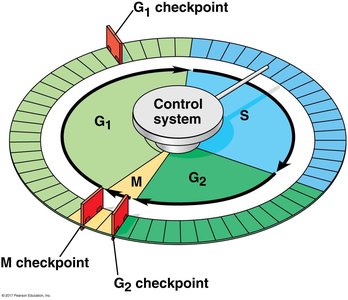
Checkpoints: G1, G2, and M phases; ensure cell is ready to proceed.
Tumor suppressors: Restrain cell growth and division.
Oncogenes: Promote cell growth and division.
Molecular Control of the Cell Cycle
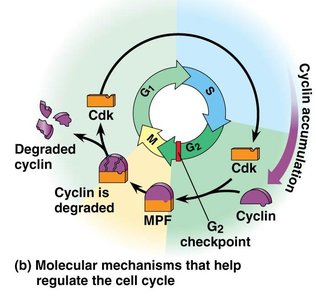
Two main protein families regulate the cell cycle: cyclins and cyclin-dependent kinases (CDKs). Cyclins are expressed only during certain phases, while CDKs are always present but require cyclins for activation.
Cyclins: Phase-specific proteins.
CDKs: Enzymes activated by cyclins.
MPF (Maturation Promoting Factor): Cyclin-CDK complex that triggers mitosis.
Cell Cycle Checkpoints
Checkpoints are control mechanisms that ensure the cell is ready to proceed to the next phase. The G1 checkpoint (Restriction Point) is critical for commitment to division, requiring external signals (growth factors).
G1 checkpoint: Restriction point; cell commits to division if conditions are favorable.
G2 checkpoint: Ensures DNA replication is complete and undamaged.
M checkpoint: Ensures chromosomes are properly attached to spindle before separation.
Summary Table: Cell Cycle Phases and Key Events
Phase | Main Event | Duration |
|---|---|---|
G1 | Cell growth | Longest |
S | DNA synthesis | Intermediate |
G2 | Preparation for mitosis | Intermediate |
M | Mitosis and cytokinesis | Shortest (~1hr) |
G0 | Quiescent, non-dividing | Varies |
Equations and Academic Context
DNA Replication Formula
During S phase, the amount of DNA doubles:
Cell Cycle Regulation Formula
Activation of CDK:
Additional info:
Cell cycle regulation is a major topic in cancer biology, as mutations in checkpoint proteins or cyclins/CDKs can lead to uncontrolled cell proliferation.
Binary fission is simpler than mitosis, as prokaryotes lack a nucleus and spindle apparatus.
