Indietro
Cell Division: The Cell Cycle and Mitosis
Guida di studio - Note intelligenti
 Appunti personalizzati basati sui tuoi materiali, ampliati con definizioni chiave, esempi e contesto.
Cell Division: Overview
Functions of Cell Division
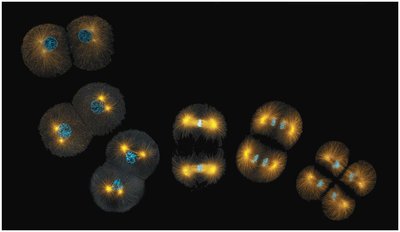
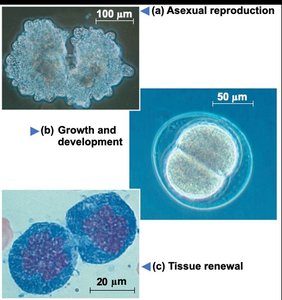
Cell division is a fundamental process in biology, essential for reproduction, growth, development, and tissue renewal. It ensures the continuity of life by producing new cells from pre-existing ones.
Asexual reproduction: Single-celled organisms reproduce by dividing into two identical cells.
Growth and development: Multicellular organisms grow by increasing their cell number through division.
Tissue renewal: Damaged or old cells are replaced by new cells via division.
Consequences of Errors in Cell Division
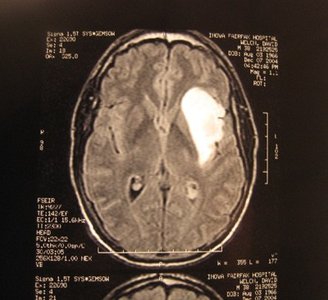
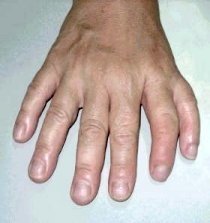
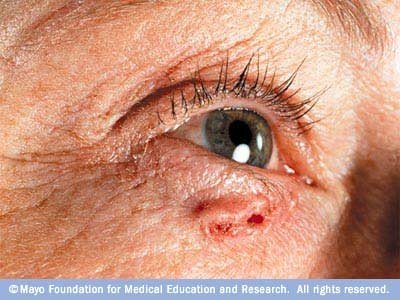
Errors in cell division can lead to diseases such as cancer, developmental abnormalities, and tissue dysfunction. Uncontrolled cell division is a hallmark of cancer, while improper division can cause genetic disorders.
Cancer: Results from loss of cell cycle control, leading to tumor formation.
Developmental defects: Abnormal cell division can cause physical and functional abnormalities.
Genetic Material and Chromosome Structure
Key Terms
Gene: Functional unit of DNA encoding a protein or RNA.
Genome: Complete set of DNA in a cell, including all genes.
Chromatin: DNA-protein complex in the nucleus, loosely packaged.
Chromosome: Tightly packaged DNA molecule, visible during cell division.
Diploid (2n): Cells with paired chromosomes, two copies of each gene.
Haploid (1n): Cells with one chromosome from each pair, one copy of each gene.
DNA Packaging in the Cell
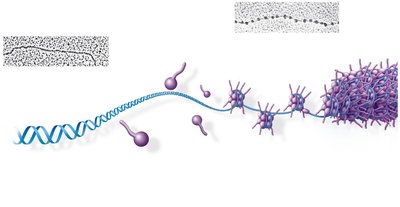
DNA is organized in the cell through several levels of packaging, allowing it to fit within the nucleus and regulate gene expression.
Double helix: Basic structure of DNA.
Nucleosomes: DNA wrapped around histone proteins, forming "beads on a string" (10-nm fiber).
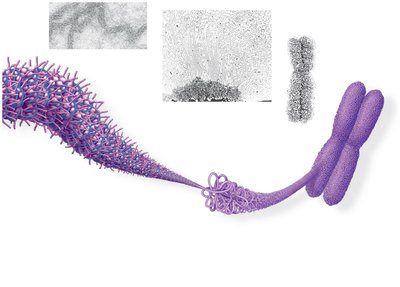
30-nm fiber: Nucleosomes further coiled.
Looped domains: 300-nm fiber, attached to a protein scaffold.
Metaphase chromosome: Highly condensed structure during cell division.
Chromosome Number in Diploid Organisms
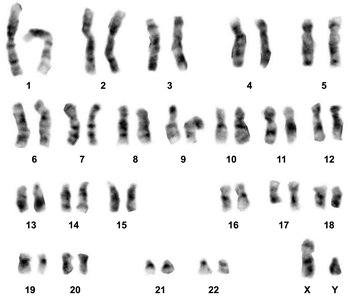
Different species have characteristic diploid chromosome numbers, reflecting their genetic complexity.
Species | Common Name | Diploid # |
|---|---|---|
Homo sapiens | Human | 46 |
Pan troglodytes | Chimpanzee | 48 |
Canis familiaris | Dog | 78 |
Felis domesticus | Cat | 38 |
Mus musculus | Mouse | 26 |
Rana pipiens | Toad | 26 |
Drosophila melanogaster | Fruitfly | 8 |
Ascaris megalocephala | Roundworm | 2 |
Planaria torva | Flatworm | 16 |
Zea mays | Corn | 20 |
S. cerevisiae | Yeast | 32 |
Chromosome Duplication and Cell Cycle
Chromosome Duplication
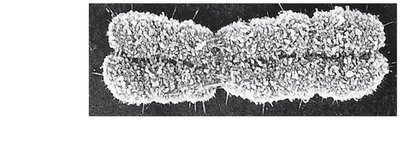
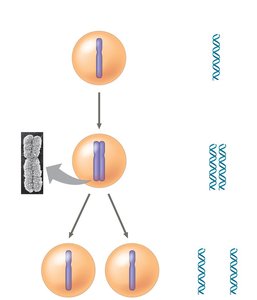
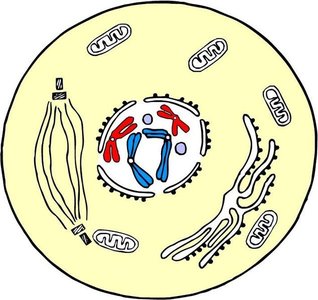
Before cell division, chromosomes duplicate to ensure each daughter cell receives a complete set of genetic material. Duplicated chromosomes consist of two sister chromatids joined at the centromere.
Sister chromatids: Identical copies of a chromosome, joined at the centromere.
Centromere: Region where sister chromatids are attached.
The Cell Cycle
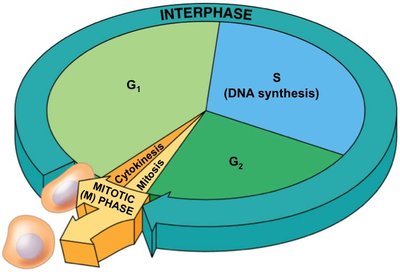
The cell cycle is the sequence of events that cells undergo to grow and divide. It consists of interphase (G1, S, G2) and the mitotic (M) phase, which includes mitosis and cytokinesis.
Interphase: Cell growth and DNA replication.
Mitosis: Division of the nucleus.
Cytokinesis: Division of the cytoplasm.
Mitosis: Stages and Mechanisms
Stages of Mitosis (PMAT)
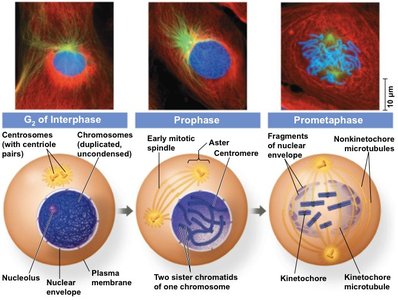
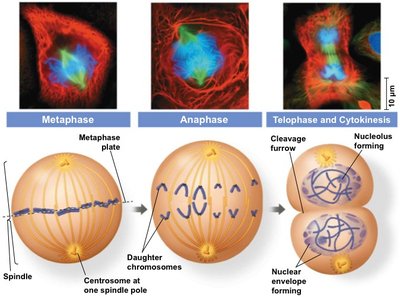
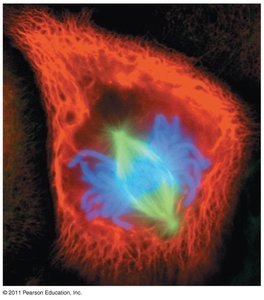
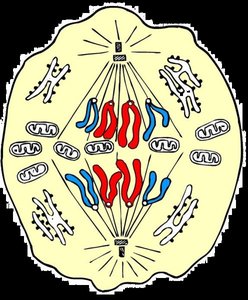
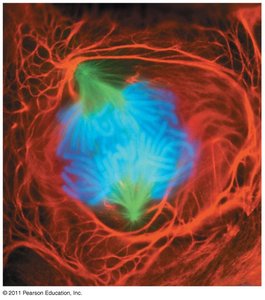
Mitosis is divided into four main stages: Prophase, Metaphase, Anaphase, and Telophase. Each stage is characterized by specific events involving chromosomes and the mitotic spindle.
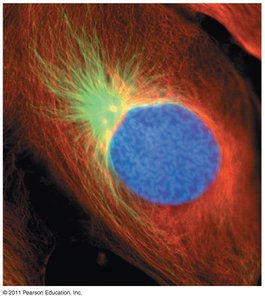
Prophase: Chromosomes condense, spindle forms, nuclear envelope breaks down.
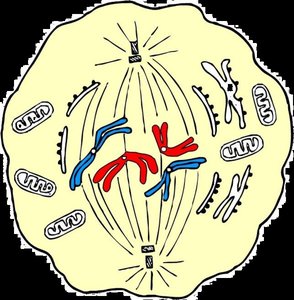
Metaphase: Chromosomes align at the metaphase plate.
Anaphase: Sister chromatids separate and move to opposite poles.
Telophase: Nuclear envelope reforms, chromosomes decondense.
Cytokinesis
Cytokinesis is the process by which the cytoplasm divides, resulting in two daughter cells. In animal cells, a cleavage furrow forms; in plant cells, a cell plate develops.
Cleavage furrow: Contractile ring pinches the cell in two (animal cells).
Cell plate: Vesicles form a new cell wall (plant cells).
Regulation of the Cell Cycle
Molecular Control System
The cell cycle is regulated by a molecular control system with checkpoints that ensure proper division. Cells only proceed when conditions are favorable and signals are received.
Checkpoints: G1, G2, and M checkpoints monitor cell size, DNA integrity, and spindle attachment.
Go-ahead signals: External and internal cues trigger progression through the cycle.
External Signals and Cell Cycle Checkpoints
Cell division is influenced by external signals such as anchorage dependence and density-dependent inhibition. Cancer cells often lose these regulatory mechanisms.
Anchorage dependence: Cells require a surface to divide.
Density-dependent inhibition: Cells stop dividing when they form a single layer.
Cancer cells: Ignore these signals, leading to uncontrolled growth.
Prokaryote Cell Division: Binary Fission
Binary Fission
Prokaryotes reproduce by binary fission, a simpler process than mitosis. The cell grows, replicates its DNA, and divides into two identical cells.
DNA replication: Circular chromosome is copied.
Cell division: Cell splits into two daughter cells.
Summary of Cell Cycle and Mitosis
The cell cycle integrates growth, DNA replication, and division, ensuring genetic continuity. Mitosis produces genetically identical daughter cells, while errors in regulation can lead to disease.
Key stages: Interphase (G1, S, G2), Mitosis (PMAT), Cytokinesis.
Regulation: Checkpoints and external signals maintain proper division.
Applications: Understanding cell division is crucial for studying development, cancer, and genetics.