 Indietro
Cell Structure and Function: A Mini-Textbook Study Guide (Chapter 6)
Guida di studio - Note intelligenti
 Appunti personalizzati basati sui tuoi materiali, ampliati con definizioni chiave, esempi e contesto.
Cell Biology: The Fundamental Units of Life
Overview of Cells
Cells are the basic structural and functional units of all living organisms. Every organism is composed of one or more cells, and cell structure is closely linked to cell function. All cells share common features and are related by descent from earlier cells.
Cell: Simplest collection of matter that can live.
Cell structure-function relationship: The shape and internal organization of a cell are adapted to its specific functions.
Cell lineage: All cells arise from pre-existing cells.
Microscopy and Cell Study
Microscope Types and Their Uses
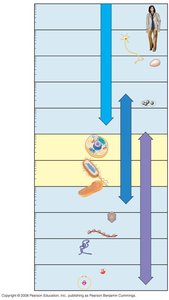
Biologists use microscopes and biochemical tools to study cells. Different types of microscopes allow observation of various cellular structures.
Light Microscope (LM): Uses visible light and glass lenses to magnify specimens. Suitable for viewing most plant and animal cells, bacteria, and some organelles.
Electron Microscopes (EM): Use electron beams for higher resolution. Two main types:
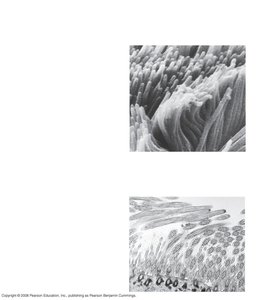
Scanning Electron Microscope (SEM): Provides 3-D images of cell surfaces.
Transmission Electron Microscope (TEM): Reveals internal cell structures.
Microscopy Techniques
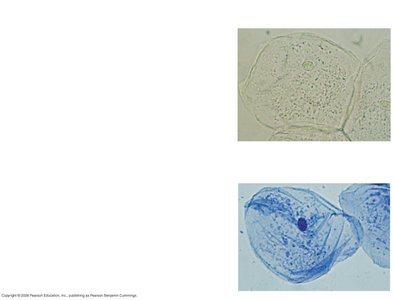
Brightfield (unstained): Shows basic cell structure.
Brightfield (stained): Enhances contrast for better visualization of cell components.
Prokaryotic vs. Eukaryotic Cells
Basic Features of All Cells
Plasma membrane: Selective barrier for transport.
Cytoplasm: Semifluid substance inside the cell.
DNA: Genetic material.
Ribosomes: Protein synthesis machinery.
Prokaryotic Cells
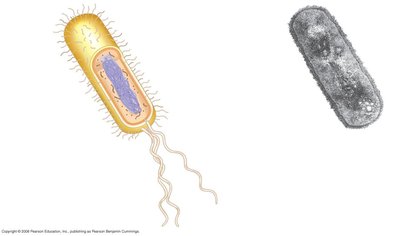
Prokaryotes (Bacteria and Archaea) lack a nucleus and membrane-bound organelles. Their DNA is located in a nucleoid region.
Key features: Nucleoid, cell wall, capsule, flagella, fimbriae.
Eukaryotic Cells
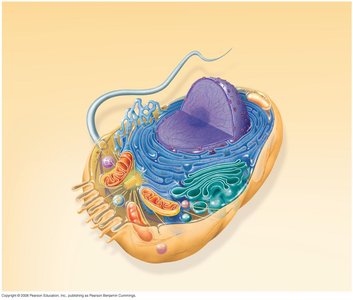
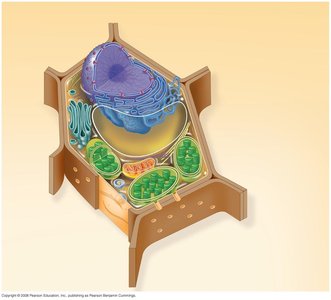
Eukaryotes (protists, fungi, animals, plants) have a nucleus and membrane-bound organelles. They are generally larger and more complex than prokaryotes.
Nucleus: Contains DNA, surrounded by nuclear envelope.
Organelles: Specialized compartments for distinct functions.
Cytoplasm: Region between plasma membrane and nucleus.
Cellular Structures and Organelles
Plasma Membrane
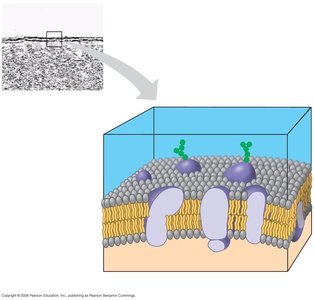
The plasma membrane is a phospholipid bilayer with embedded proteins, acting as a selective barrier for the cell.
Structure: Double layer of phospholipids with hydrophilic heads and hydrophobic tails.
Function: Regulates passage of oxygen, nutrients, and waste.
Nucleus and Ribosomes
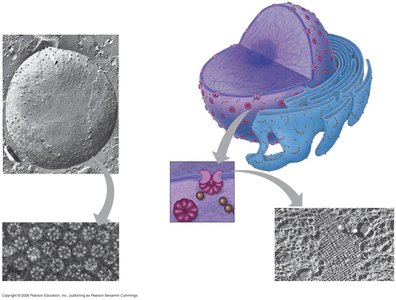
The nucleus houses genetic material and controls cellular activities. Ribosomes synthesize proteins using instructions from DNA.
Nucleus: Contains nucleolus (site of ribosome assembly), chromatin (DNA and proteins), and nuclear envelope (double membrane with pores).
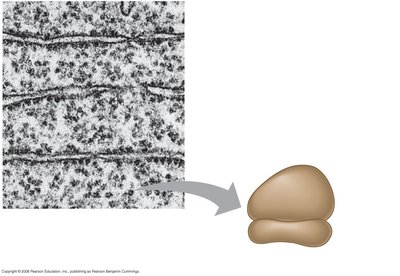
Ribosomes: Made of rRNA and protein; found free in cytosol or bound to ER/nuclear envelope.
Endomembrane System
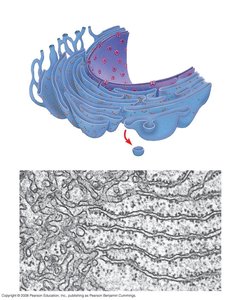
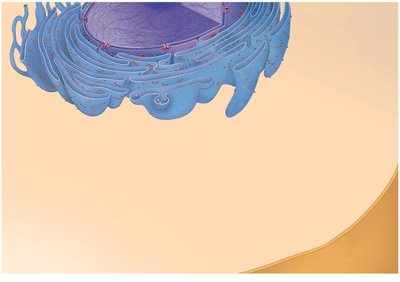
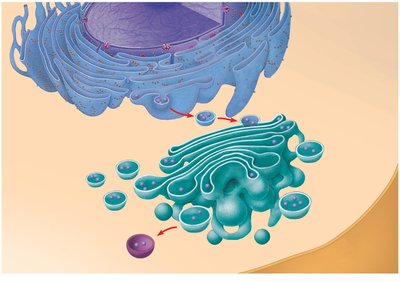
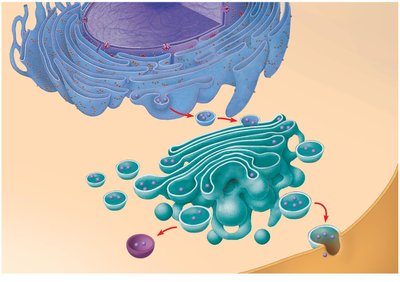
The endomembrane system regulates protein traffic and performs metabolic functions. It includes the nuclear envelope, ER, Golgi apparatus, lysosomes, vacuoles, and plasma membrane.
Endoplasmic Reticulum (ER): Network of membranes; rough ER has ribosomes and synthesizes proteins, smooth ER synthesizes lipids and detoxifies.
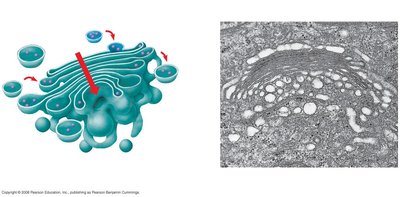
Golgi Apparatus: Modifies, sorts, and packages proteins and lipids for transport.
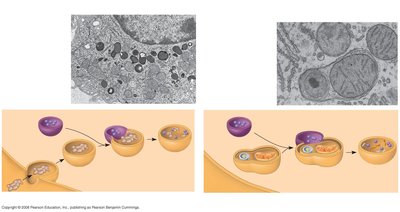
Lysosomes: Digestive organelles containing hydrolytic enzymes.
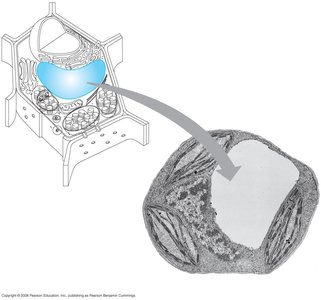
Vacuoles: Storage and maintenance compartments, especially prominent in plant cells.
Lysosomes and Vacuoles
Lysosomes: Digest macromolecules and recycle cell components via phagocytosis and autophagy.
Vacuoles: Central vacuole in plants stores water and organic compounds; contractile vacuoles in protists expel excess water.
Mitochondria and Chloroplasts: Energy Conversion
Mitochondria
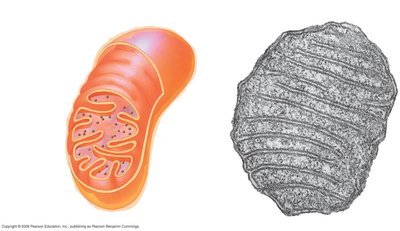
Mitochondria are the sites of cellular respiration, converting chemical energy in food to ATP. They have a double membrane, their own DNA, and free ribosomes.
Structure: Outer and inner membranes, cristae, matrix.
Function: ATP production via cellular respiration.
Chloroplasts
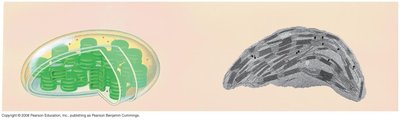
Chloroplasts are the sites of photosynthesis in plants and algae. They contain chlorophyll and are part of the plastid family.
Structure: Double membrane, thylakoids, stroma, grana.
Function: Conversion of light energy to chemical energy.
The Cytoskeleton: Structure and Movement
Cytoskeleton Components
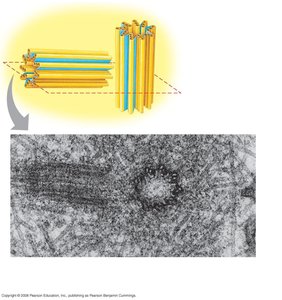
The cytoskeleton is a network of fibers that organizes cell structures and activities, providing support, motility, and regulation.
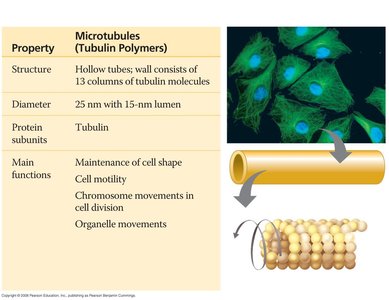
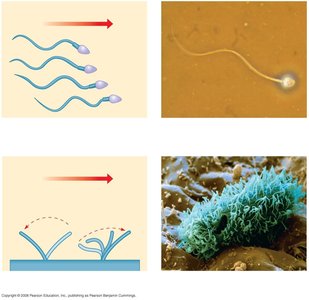
Microtubules: Hollow tubes made of tubulin; maintain cell shape, enable cell motility, chromosome movement, and organelle transport.
Microfilaments (Actin filaments): Thinnest fibers; involved in cell shape, muscle contraction, and cytoplasmic streaming.
Intermediate Filaments: Provide structural support and maintain cell integrity.
Extracellular Components and Cell Connections
Cell Walls
Plant cells have cell walls made of cellulose, providing protection, shape, and preventing excessive water uptake. Some prokaryotes, fungi, and protists also have cell walls.
Extracellular Matrix (ECM) in Animal Cells
Animal cells lack cell walls but have an ECM composed of glycoproteins, such as collagen and proteoglycans, which provide structural support and mediate cell signaling.
Intercellular Junctions
Cells in tissues communicate and adhere via intercellular junctions:
Plasmodesmata: Channels between plant cells for transport of water and solutes.
Tight Junctions: Seal cells together, preventing fluid leakage.
Desmosomes: Anchor cells together into strong sheets.
Gap Junctions: Provide cytoplasmic channels for communication between animal cells.
Comparisons and Study Guide
Prokaryotic vs. Eukaryotic Cells
Prokaryotes: No nucleus, no membrane-bound organelles, smaller size.
Eukaryotes: Nucleus, membrane-bound organelles, larger size.
Plant vs. Animal Cells
Plant cells: Cell wall, chloroplasts, central vacuole.
Animal cells: No cell wall, no chloroplasts, small or no vacuole.
Common features: Plasma membrane, nucleus, mitochondria, ER, Golgi apparatus, cytoskeleton.
Free vs. Bound Ribosomes
Free ribosomes: Float in cytosol; synthesize proteins for use within the cell.
Bound ribosomes: Attached to ER/nuclear envelope; synthesize proteins for secretion or membrane insertion.
Smooth vs. Rough ER
Smooth ER: Lipid synthesis, detoxification, calcium storage.
Rough ER: Protein synthesis (has ribosomes), glycoprotein production, membrane factory.
Functions of Eukaryotic Organelles
Nucleus: Genetic information storage and processing.
Ribosomes: Protein synthesis.
ER: Protein and lipid synthesis.
Golgi apparatus: Modification, sorting, packaging of macromolecules.
Lysosomes: Digestion and recycling.
Vacuoles: Storage and maintenance.
Mitochondria: ATP production.
Chloroplasts: Photosynthesis.
Cytoskeleton: Support, movement, regulation.
Cell junctions and ECM: Cell communication, adhesion, structural support.
Key Terms and Concepts
Phagocytosis: Cellular process of engulfing particles.
Autophagy: Recycling of cell components.
Endosymbiont theory: Origin of mitochondria and chloroplasts from ancestral prokaryotes.
Surface-to-volume ratio: Important for cell efficiency; as cell size increases, ratio decreases.
Formulas and Equations
Surface-to-volume ratio:
Summary Table: Cell Types and Features
Feature | Prokaryotic Cell | Eukaryotic Cell |
|---|---|---|
Nucleus | No | Yes |
Membrane-bound organelles | No | Yes |
Cell wall | Yes (most) | Yes (plants, fungi) |
Size | Small | Larger |
DNA location | Nucleoid | Nucleus |
Additional info:
Some details about microscopy techniques and cell organelle functions were expanded for clarity and completeness.
Tables and diagrams were recreated and summarized based on the original content and academic context.
