 Indietro
MODULE 5 - THE CELL
Guida di studio - Note intelligenti
 Appunti personalizzati basati sui tuoi materiali, ampliati con definizioni chiave, esempi e contesto.
The Cell: Structure and Function
Distinguishing Prokaryotic and Eukaryotic Cells
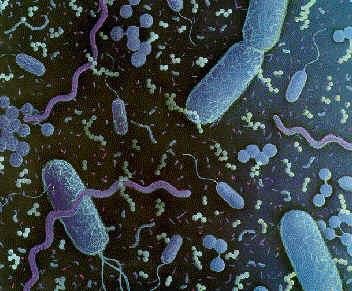
Prokaryotic and eukaryotic cells are the two fundamental cell types in biology, each with distinct structural features and functions. Understanding their differences is essential for grasping cellular organization and evolution.
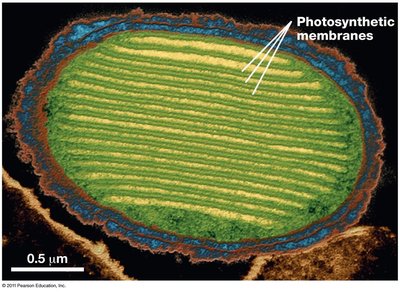
Prokaryotic Cells: Lack a nucleus and membrane-bound organelles; DNA is located in the nucleoid region.
Eukaryotic Cells: Possess a nucleus and various membrane-bound organelles, such as mitochondria and endoplasmic reticulum.
Key Differences: Eukaryotes are generally larger, more complex, and can be multicellular, while prokaryotes are typically unicellular.
Example: Bacteria are prokaryotes; plants and animals are eukaryotes.
Major Eukaryotic Organelles: Structure and Function
Eukaryotic cells contain specialized organelles that perform distinct functions, contributing to cellular homeostasis and activity.
Nucleus: Stores genetic material (DNA) and coordinates cell activities.
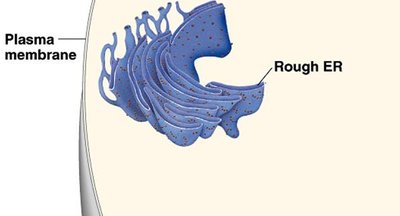
Endoplasmic Reticulum (ER): Rough ER synthesizes proteins; Smooth ER synthesizes lipids and detoxifies chemicals.
Golgi Apparatus: Modifies, sorts, and packages proteins and lipids for transport.
Lysosomes: Digest cellular waste and foreign material.
Peroxisomes: Break down fatty acids and detoxify harmful substances.
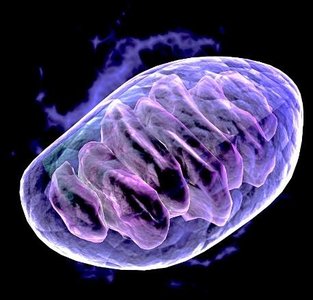
Mitochondria: Generate ATP through cellular respiration.
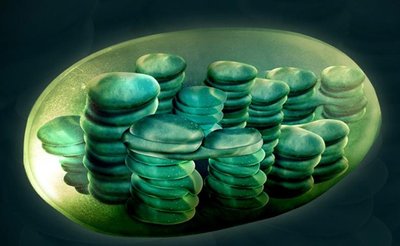
Chloroplasts: Conduct photosynthesis in plant cells.
The Endomembrane System
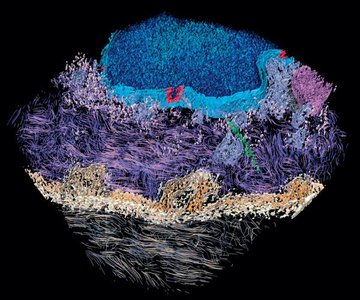
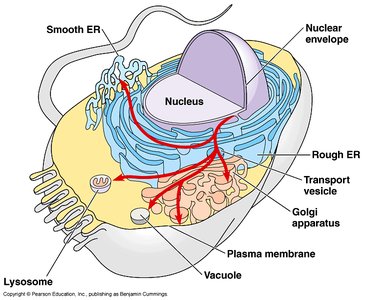
The endomembrane system is a group of organelles that work together to modify, package, and transport proteins and lipids.
Components: Cell membrane, ER (rough and smooth), Golgi apparatus, lysosomes, peroxisomes, and vesicles.
Function: Coordinates the synthesis, processing, and transport of macromolecules.
Example: Proteins synthesized in the rough ER are transported to the Golgi for modification and then sent to their final destinations.
Protein Synthesis and Transport: The Signal Hypothesis
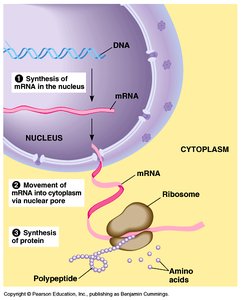
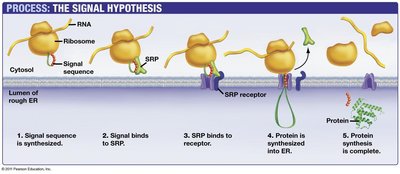
Proteins are synthesized by ribosomes and directed to their proper locations by signal sequences. The signal hypothesis explains how ribosomes dock with the rough ER to synthesize proteins destined for secretion or membrane insertion.
ER Signal Sequence: A short peptide sequence that directs ribosomes to the ER.
Process: Ribosomes start translation in the cytoplasm; if a signal sequence is present, they dock with the ER.
Final Destinations: Proteins may remain in the cytoplasm, be inserted into membranes, or be secreted.
Vesicle Transport and Motor Proteins
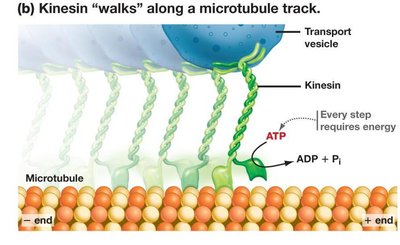
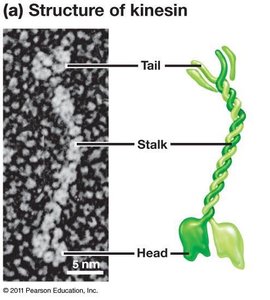
Vesicles transport proteins and lipids between organelles, facilitated by motor proteins such as kinesin.
Kinesin: Motor protein that "walks" along microtubules, moving vesicles using ATP.
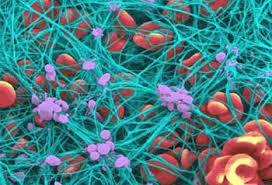
Microtubules: Cytoskeletal structures that provide tracks for vesicle movement.
Energy Requirement: Each step requires ATP hydrolysis:
Organelle Function and Dysfunction
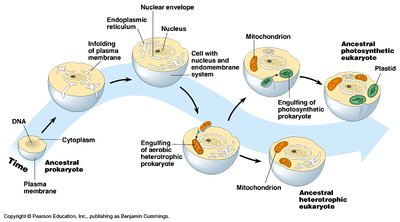
Mitochondria and Chloroplasts: Endosymbiotic Theory
Mitochondria and chloroplasts are unique organelles with their own DNA and double membranes, supporting the endosymbiotic theory of cell evolution.
Endosymbiotic Theory: Proposes that mitochondria and chloroplasts originated from free-living prokaryotes engulfed by ancestral eukaryotic cells.
Evidence: Both organelles have circular DNA, reproduce by binary fission, and possess double membranes.
Function: Mitochondria perform cellular respiration; chloroplasts conduct photosynthesis.
Cell-Cell Communication
Extracellular Matrix (ECM) and Cell-Type Identity
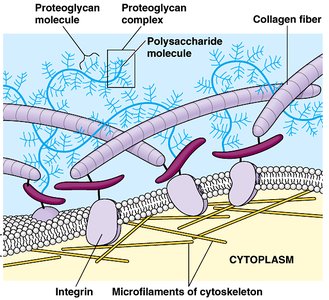
The extracellular matrix (ECM) is a network of proteins and carbohydrates outside the cell, crucial for cell communication, identity, and tissue integrity.
Components: Collagen fibers, proteoglycans, integrins.
Functions: Provides structural support, mediates cell signaling, and helps cells recognize each other.
Example: The immune system uses ECM signals for self-identity and defense.
Intercellular Junctions: Plant and Animal Cells
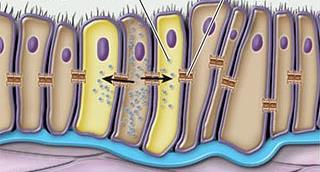
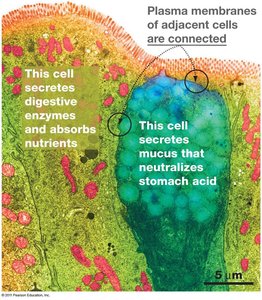
Cells in multicellular organisms are connected by specialized junctions that facilitate communication and maintain tissue structure.
Plant Cells: Connected by plasmodesmata, allowing direct cytoplasmic exchange.
Animal Cells: Connected by tight junctions, desmosomes, and gap junctions.
Function: Junctions enable coordinated activity, nutrient sharing, and signal transmission.
Cell Communication: Short and Long Distances
Cells communicate via chemical signals, either directly with adjacent cells or over long distances through signaling molecules.
Short-Distance Communication: Occurs through junctions or local signaling molecules.
Long-Distance Communication: Involves hormones or other signaling molecules traveling through the bloodstream or extracellular fluid.
Example: Neurons use synapses for short-distance signaling; endocrine cells release hormones for long-distance communication.
Summary Table: Prokaryotic vs. Eukaryotic Cells
Feature | Prokaryotic Cell | Eukaryotic Cell |
|---|---|---|
Nucleus | No | Yes |
Membrane-bound Organelles | No | Yes |
Cell Size | Small (0.1-5 µm) | Larger (10-100 µm) |
DNA Form | Circular | Linear |
Examples | Bacteria, Archaea | Plants, Animals, Fungi |
How to Study This Material
Review learning objectives and ensure you can accomplish each item.
Use self-assessment quizzes to identify gaps in understanding.
Seek help from tutors, office hours, or peers for challenging topics.
Practice applying concepts to new scenarios and questions.
Additional info: Academic context was added to clarify the function and significance of each organelle, the endomembrane system, and cell communication mechanisms. The summary table was inferred from standard biology textbooks to aid comparison.
