Indietro
Cell Structure, Membrane Function, and Cell-Cell Interactions: General Biology Study Notes
Guida di studio - Note intelligenti
 Appunti personalizzati basati sui tuoi materiali, ampliati con definizioni chiave, esempi e contesto.
Cell Theory and Cell Structure
History and Principles of Cell Theory
The cell theory is a foundational concept in biology, describing the pattern and process by which all living things are composed of cells. It states that all organisms are made of cells, the cell is the basic unit of life, and new cells arise from existing cells. This theory emerged from the work of scientists such as Robert Hooke, van Leeuwenhoek, Schleiden, and Schwann.
Pattern: All organisms are made of cells.
Process: All cells come from preexisting cells.
Implications: Common ancestry among cells, structure determines function.
Cell Types: Prokaryotes vs. Eukaryotes
Cells are classified into two broad categories based on structural features: prokaryotes and eukaryotes.
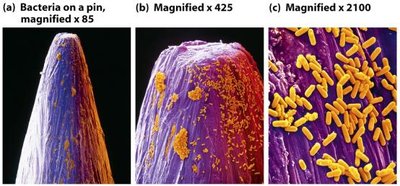
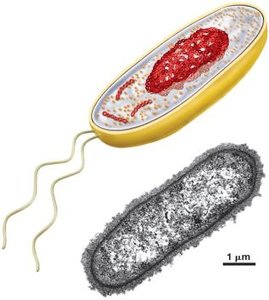
Prokaryotes: Lack a membrane-bound nucleus, small (~1.0 μm), simple structure, no internal membrane-bound organelles, DNA in nucleoid region, often form biofilms.
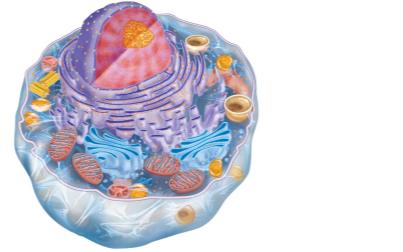
Eukaryotes: Have a membrane-bound nucleus, larger size, contain internal membrane-bound organelles (e.g., mitochondria, ER, Golgi), dynamic cytoskeleton.
Cell Specialization and Organization
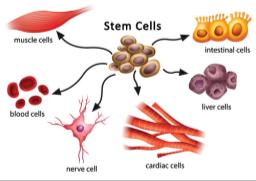
Cells can exist as single organisms, colonies, or as part of multicellular tissues. Specialized cells perform unique functions, contributing to the diversity and complexity of life.
Unicellular organisms: All life processes occur in one cell.
Colonial organisms: Clusters of physically connected, interdependent cells.
Tissues: Groups of similar cells functioning together.
Prokaryotic Cell Structure
Components of Prokaryotic Cells
Prokaryotic cells, primarily bacteria, have a simple structure but are highly efficient. Key components include:
Cell wall: Provides shape and protection; composed of peptidoglycan.
Plasma membrane: Selectively permeable, encloses cytoplasm.
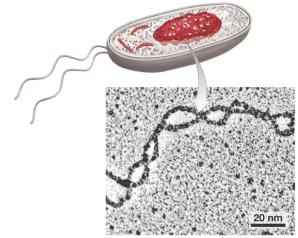
Chromosome: Usually a single circular DNA molecule in the nucleoid.
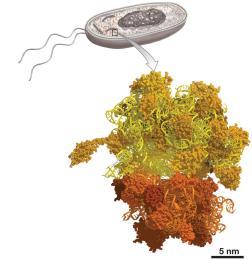
Ribosomes: Sites of protein synthesis; consist of large and small subunits.
Flagella: Tail-like structures for movement.
Cytoskeleton: Protein filaments for shape and structure.
Eukaryotic Cell Structure
Compartmentalization and Organelles
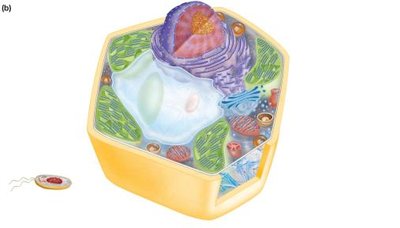
Eukaryotic cells are larger and more complex, with internal compartments called organelles that specialize in various functions. Compartmentalization increases efficiency by grouping enzymes and separating incompatible processes.
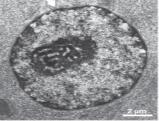
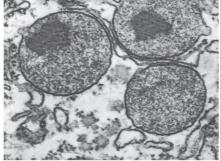
Nucleus: Information storage and retrieval; contains DNA as chromatin, surrounded by nuclear envelope with nuclear pores.
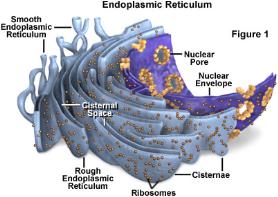
Endoplasmic Reticulum (ER): Rough ER (RER) with ribosomes for protein synthesis; Smooth ER (SER) for lipid synthesis and detoxification.
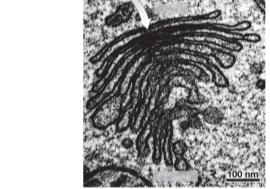
Golgi Apparatus: Modifies, sorts, and packages proteins and lipids.
Vesicles: Transport materials between organelles.
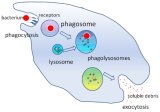
Lysosomes: Waste processing and recycling; contain hydrolytic enzymes.
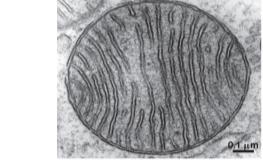
Mitochondria: ATP production via cellular respiration; contain their own DNA.
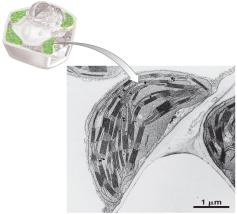
Chloroplasts (plants/algae): Photosynthesis; contain thylakoid membranes and their own DNA.
Peroxisomes: Oxidation and reduction reactions; detoxification.
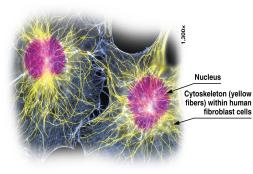
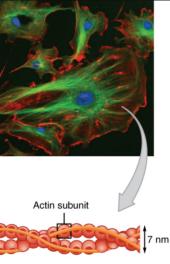
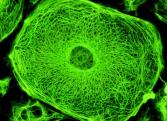
Cytoskeleton: Microfilaments (actin), intermediate filaments, microtubules for shape, transport, and movement.
Membrane Structure and Function
Phospholipids and Membrane Formation
Phospholipids are amphipathic molecules with hydrophilic heads and hydrophobic tails. They spontaneously form bilayers in aqueous environments, creating cell membranes that separate internal and external environments.
Micelles: Single-layered spheres; not suitable as cell boundaries.
Lipid bilayers: Double-layered; hydrophilic heads face water, hydrophobic tails face inward.
Membrane Permeability and Fluidity
Membranes are selectively permeable, allowing small or nonpolar molecules to cross easily, while large or charged molecules cross slowly or not at all. Permeability is affected by lipid composition, presence of proteins, cholesterol, and temperature.
Unsaturated fatty acids: Increase permeability and fluidity due to kinks in hydrocarbon chains.
Cholesterol: Decreases permeability by packing between phospholipids.
Temperature: Higher temperatures increase fluidity and permeability.
Fluid Mosaic Model
The fluid mosaic model describes the dynamic nature of membranes, composed of a mosaic of lipids and proteins. Integral proteins span the membrane, while peripheral proteins are attached to one side.
Membrane Transport
Diffusion and Osmosis
Diffusion is the movement of molecules from high to low concentration, driven by kinetic energy. Osmosis is the diffusion of water across a selectively permeable membrane toward higher solute concentration.
Hypertonic solution: Water leaves the cell; cell shrinks.
Hypotonic solution: Water enters the cell; cell swells.
Isotonic solution: No net water movement; cell remains the same size.
Facilitated Diffusion and Active Transport
Facilitated diffusion uses membrane proteins (channels and carriers) to transport ions and molecules down their concentration gradients without energy. Active transport uses ATP and protein pumps to move substances against gradients.
Sodium-potassium pump (Na+/K+-ATPase): Maintains electrochemical gradients by pumping Na+ out and K+ in.
Bulk transport: Exocytosis (export) and endocytosis (import) use vesicles and require energy.
Cell-Cell Interactions and Signaling
Extracellular Structures
Plant cells produce a cell wall composed of cellulose microfibrils and pectin, providing shape and counteracting turgor pressure. Animal cells secrete an extracellular matrix (ECM) of collagen and proteoglycans for structural support and cell attachment.
Cell Junctions
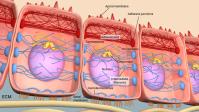
Tight junctions: Watertight seals between cells; restrict movement of substances.
Desmosomes: Strong attachments reinforced by intermediate filaments; common in epithelial and muscle cells.
Gap junctions (animals) and plasmodesmata (plants): Channels for communication and transport between adjacent cells.
Cell Signaling
Cells communicate via physical connections or distant signals. Distant signaling involves hormones and receptors, with four steps: signal reception, signal processing (transduction), signal response, and signal deactivation.
Lipid-soluble signals: Diffuse through membrane, bind intracellular receptors, affect gene expression.
Lipid-insoluble signals: Bind membrane receptors, trigger signal transduction pathways (G-proteins, enzyme-linked receptors).
Phosphorylation cascade: Series of enzyme activations via phosphorylation, amplifying the signal.
Crosstalk: Integration of multiple signaling pathways for coordinated responses.
Quorum sensing (bacteria): Cell density-dependent signaling for coordinated gene expression.