 Indietro
Cell Theory and the Diversity of Cells
Guida di studio - Note intelligenti
 Appunti personalizzati basati sui tuoi materiali, ampliati con definizioni chiave, esempi e contesto.
Cell Theory
Development of Cell Theory
The cell theory is a fundamental concept in biology that describes the properties of cells, the basic unit of life. Its development was shaped by the work of several key scientists who used early microscopes to observe living organisms.
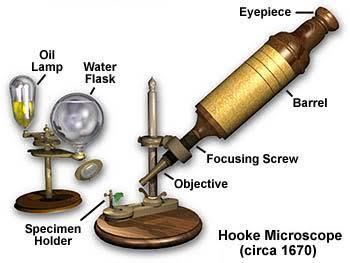
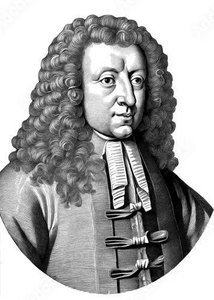
Robert Hooke (1665): Invented the compound microscope and was the first to use the term "cell" after observing cork tissue.
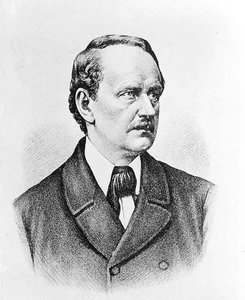
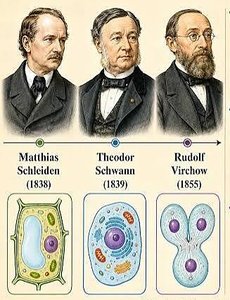
Matthias Schleiden (1838): Concluded that all plants are made of cells.
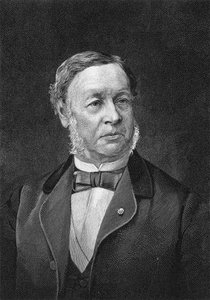
Theodor Schwann (1839): Extended the cell theory to animals, stating all animals are made of cells.
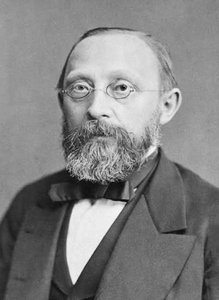
Rudolf Virchow (1855): Proposed that all cells arise from pre-existing cells.
Principles of Cell Theory
The cell theory consists of three main principles:
All living organisms are composed of one or more cells.
The cell is the basic unit of structure and organization in organisms.
All cells arise from pre-existing cells.
These principles highlight the central role of cells in the structure, function, and continuity of life.
What is a Cell?
Definition and Types of Organisms
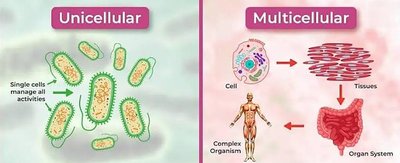
A cell is the basic unit of all living things. Organisms can be classified based on the number of cells they possess:
Unicellular: Made of a single cell (e.g., bacteria, amoebas).
Multicellular: Made of many cells (e.g., plants, animals).
Examples of Cells
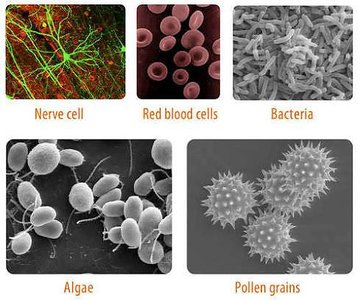
Cells come in various shapes and functions, including nerve cells, red blood cells, bacteria, algae, and pollen grains.
Prokaryotic and Eukaryotic Cells
Prokaryotic Cells
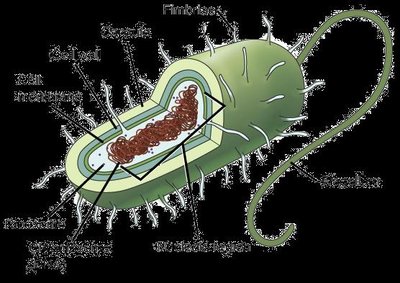
Prokaryotic cells are simple, single-celled organisms that lack a nucleus and membrane-bound organelles. Their DNA is circular and floats freely in the cytoplasm.
Unicellular organisms
No membrane-bound organelles
DNA is circular and not enclosed in a nucleus
Examples: Bacteria and Archaea
Eukaryotic Cells
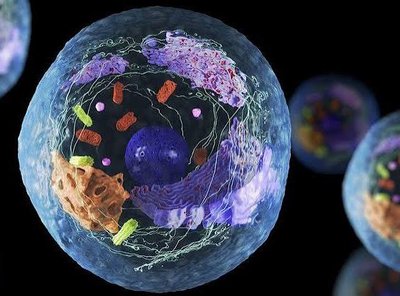
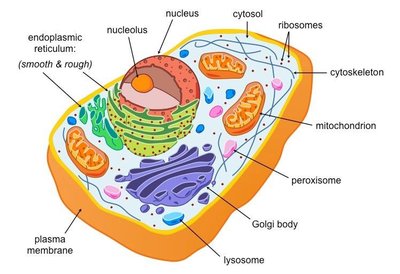
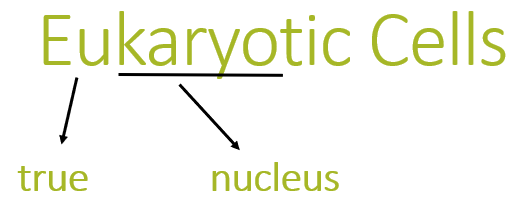
Eukaryotic cells are more complex and contain membrane-bound organelles, including a nucleus where linear DNA is stored. Eukaryotes include protists, fungi, plants, and animals.
Can be unicellular or multicellular
Contain a nucleus and other organelles (e.g., mitochondria, endoplasmic reticulum)
DNA is linear and enclosed within the nucleus
Examples: Protists, fungi, plants, animals
Comparison of Prokaryotic and Eukaryotic Cells
Feature | Prokaryotic Cells | Eukaryotic Cells |
|---|---|---|
Nucleus | Absent | Present |
Membrane-bound organelles | Absent | Present |
DNA form | Circular | Linear |
Examples | Bacteria, Archaea | Protists, Fungi, Plants, Animals |
Cell Organelles
Specialized Structures
Organelles are specialized structures within cells that perform specific functions necessary for survival and function. Not all cells have the same organelles; for example, only plant cells have chloroplasts and cell walls, while animal cells have lysosomes.
Cell membrane: Present in all cells; controls movement of substances in and out.
Nucleus: Contains genetic material (DNA); present only in eukaryotes.
Cytoplasm: Gel-like substance where cellular processes occur.
Mitochondria: Site of cellular respiration; present only in eukaryotes.
Ribosomes: Synthesize proteins; present in all cells.
Cell wall: Provides structure and support; found in plants, fungi, and some prokaryotes.
Golgi apparatus, lysosomes: Present only in eukaryotes; involved in processing and transport of materials.
Check for Understanding
True or False: Bacteria are an example of prokaryotic cells.
True or False: Prokaryotic cells are the most complex of the two cells.
True or False: You are made of eukaryotic cells.
True or False: Prokaryotic cells don't have a nucleus.
True or False: Eukaryotic cells don’t have a nucleus.
What three scientists created Cell Theory?
Assignment
Prokaryotic and Eukaryotic Cells
