 Indietro
Cells and Cell Organelles: Structure, Function, and the Work of Life
Guida di studio - Note intelligenti
 Appunti personalizzati basati sui tuoi materiali, ampliati con definizioni chiave, esempi e contesto.
Cells & Cell Organelles
Introduction to Cells
Cells are the fundamental units of life, performing all the essential functions required for an organism's survival. They come in various types and sizes, and their internal structures, called organelles, carry out specialized tasks.
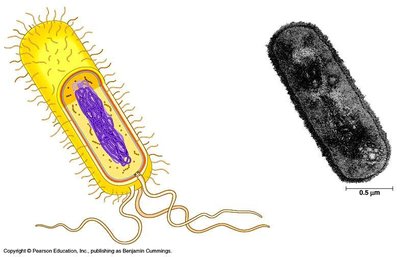
Prokaryotic cells: Simpler cells without membrane-bound organelles (e.g., bacteria).
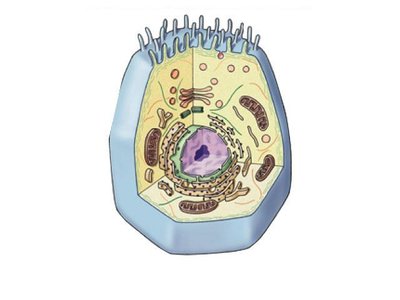
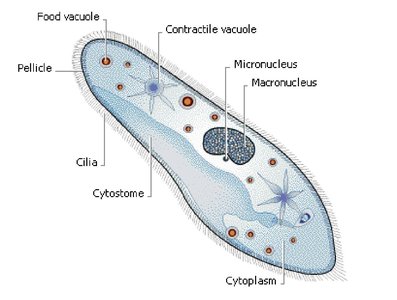
Eukaryotic cells: More complex cells with membrane-bound organelles (e.g., animal and plant cells).
Cell size: Most bacteria are 1–10 microns; eukaryotic cells are 10–100 microns.
Cellular Hierarchy
Cells are organized into higher levels of biological organization:
Cells → Tissues → Organs → Organ Systems → Organisms
Each level builds upon the previous, with cells as the foundational unit.
Types of Cells
Prokaryotes vs. Eukaryotes
Prokaryotes: Lack a nucleus and membrane-bound organelles; DNA is found in the nucleoid region.
Eukaryotes: Have a true nucleus and various organelles (e.g., mitochondria, endoplasmic reticulum).
The Work of Life: Cellular Functions
Essential Cellular Jobs
Cells must perform several key functions to sustain life:
Gas exchange: Intake of O2, release of CO2
Nutrition: Uptake and digestion of food
Energy production: Generation of ATP
Biosynthesis: Building proteins, carbohydrates, fats, and nucleic acids
Waste removal
Homeostasis: Regulation of internal conditions
Response to environment
Growth and reproduction
Three Main Jobs of Cells
Make energy: For all cellular activities and to clean up waste.
Make proteins: Proteins perform most cellular work.
Make more cells: For growth, repair, and reproduction.
Cell Organelles and Their Functions
Cell Membrane
The cell membrane is a selectively permeable barrier that separates the cell from its environment.
Structure: Phospholipid bilayer with embedded proteins.
Functions:
Controls movement of substances in and out (e.g., O2, CO2, nutrients, waste).
Recognizes signals from other cells via receptor proteins.
Cytoplasm
The cytoplasm is a jelly-like substance that holds organelles in place and provides a medium for cellular processes.
Vacuoles & Vesicles
Vacuoles and vesicles are membrane-bound sacs involved in storage and transport within cells.
Vacuoles: Large in plant cells (central vacuole for water, food, or waste storage); smaller in animal cells.
Vesicles: Smaller sacs for transport of materials.
Lysosomes
Lysosomes are membrane sacs filled with digestive enzymes.
Digest food and recycle cellular debris.
Break down broken organelles (cellular 'garbage disposal').

Mitochondria
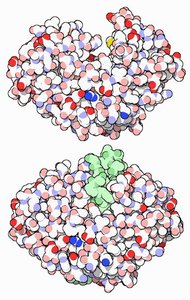
Mitochondria are the powerhouses of the cell, generating ATP through cellular respiration.
Structure: Double membrane; inner membrane highly folded (cristae).
Function: Convert glucose and O2 into ATP.
Equation for cellular respiration:
Chloroplasts (in Plant Cells)
Chloroplasts are organelles found in plant cells that carry out photosynthesis.
Convert sunlight, CO2, and water into glucose and O2.
Equation for photosynthesis:
Nucleus
The nucleus is the control center of the cell, containing genetic material (DNA).
Structure: Surrounded by a nuclear envelope; contains nucleolus and chromosomes.
Function: Stores DNA, coordinates cell activities (growth, metabolism, protein synthesis, reproduction).
Nucleolus
The nucleolus is a dense region within the nucleus responsible for ribosome production.
Builds ribosome subunits from rRNA and proteins.
Ribosomes
Ribosomes are the sites of protein synthesis.
Can be free in the cytoplasm (make proteins for use in the cell) or bound to the endoplasmic reticulum (make proteins for export or membranes).
Endoplasmic Reticulum (ER)
The ER is a network of membranes involved in protein and lipid synthesis.
Rough ER: Studded with ribosomes; helps fold and modify proteins.
Smooth ER: Lacks ribosomes; synthesizes lipids, detoxifies chemicals, regulates calcium.
Golgi Apparatus
The Golgi apparatus modifies, sorts, and packages proteins and lipids for storage or transport out of the cell.
Acts as the cell's shipping and receiving center.
Centrioles (in Animal Cells)
Centrioles are involved in organizing microtubules during cell division (mitosis).
Help form spindle fibers that separate chromosomes.
Cytoskeleton
The cytoskeleton provides structural support, maintains cell shape, and enables movement.
Composed of protein fibers: microfilaments, intermediate filaments, and microtubules.
Involved in cell locomotion (cilia, flagella) and intracellular transport.
Summary Table: Major Organelles and Their Functions
Organelle | Main Function | Present in |
|---|---|---|
Cell Membrane | Controls entry/exit of substances | All cells |
Cytoplasm | Holds organelles, site of reactions | All cells |
Nucleus | Stores DNA, controls cell | Eukaryotes |
Nucleolus | Ribosome production | Eukaryotes |
Ribosomes | Protein synthesis | All cells |
ER (Rough/Smooth) | Protein/lipid synthesis | Eukaryotes |
Golgi Apparatus | Modifies, sorts, ships proteins | Eukaryotes |
Lysosomes | Digestion, recycling | Mostly animal cells |
Vacuoles | Storage | All cells (large in plants) |
Mitochondria | ATP production | Eukaryotes |
Chloroplasts | Photosynthesis | Plants, some protists |
Centrioles | Cell division | Animal cells |
Cytoskeleton | Support, movement | All cells |
Conclusion
Understanding the structure and function of cells and their organelles is fundamental to biology. Each organelle plays a specific role, contributing to the cell's ability to perform the work of life, including energy production, biosynthesis, and reproduction.
