 Indietro
Cells & Energy: Enzymes, Metabolism, and Energy Transformations
Guida di studio - Note intelligenti
 Appunti personalizzati basati sui tuoi materiali, ampliati con definizioni chiave, esempi e contesto.
Cells & Energy
Origin of Food & Nutrients for Cells
Cells require nutrients and energy to sustain life, which are obtained from various sources. The origin of food and nutrients can be classified based on their biological source:
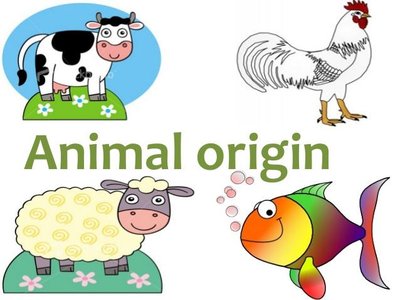
Animal origin: Includes meat, dairy, eggs, and fish, providing proteins, lipids, and other nutrients.
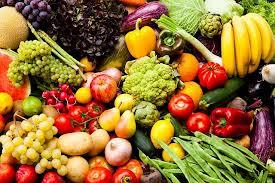
Plant origin: Vegetables, fruits, grains, and legumes supply carbohydrates, vitamins, and fibers.
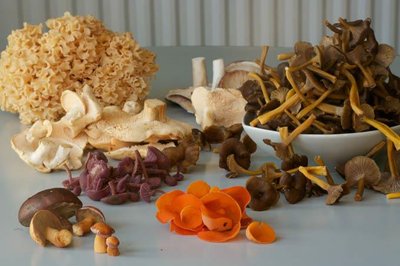
Fungi origin: Mushrooms and other edible fungi contribute proteins and unique nutrients.
Algae origin: Edible algae and seaweed are rich in minerals and vitamins
.

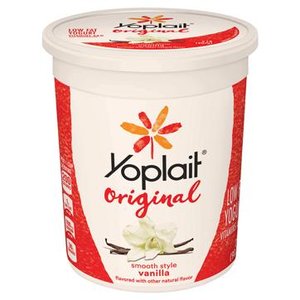
Microbial origin: Foods produced by microbes, such as yogurt, provide beneficial bacteria and nutrients.
Recycling inside the cell (Autophagy): Cells can recycle their own components to extract nutrients.
Production of Food in Photosynthetic Organisms
Photosynthetic organisms, such as plants, algae, and certain bacteria, produce food by converting solar energy into chemical energy. This process is essential for sustaining life on Earth.
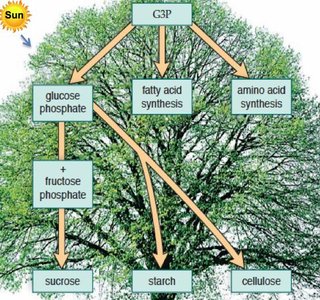
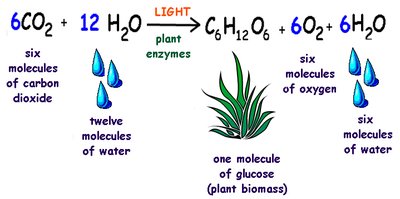
Photosynthesis: Plants and other photosynthetic organisms synthesize carbohydrates, proteins, lipids, and other compounds using sunlight, water, and carbon dioxide.
Photosynthesis equation:
Phytochemicals: Plants produce substances such as vitamins, which can be beneficial or toxic.
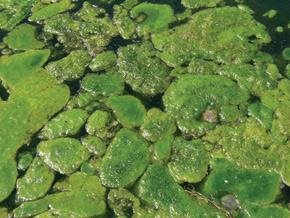
Algae and bacteria: These organisms also photosynthesize and contribute to food production.
Energy in Cells
Types of Energy
Energy is the capacity to do work. In biological systems, energy exists in several forms:
Potential energy: Stored energy, such as in chemical bonds or membrane gradients.
Kinetic energy: Energy of motion, including cellular movement and enzymatic activity.
Chemical energy: Energy stored in molecules like glucose and ATP.
Thermodynamics in Biology
Energy transformations in cells obey the laws of thermodynamics:
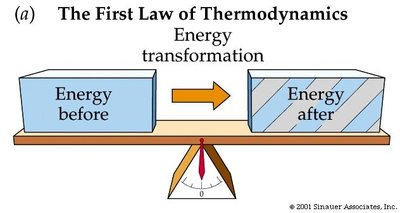
First Law of Thermodynamics: Energy cannot be created or destroyed, only transformed.
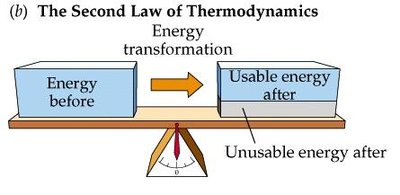
Second Law of Thermodynamics: Energy transformations result in loss of usable energy as heat, increasing entropy (disorder).
Energy Flow in Ecosystems
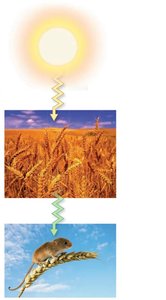
Solar energy is captured by photosynthesizers and transferred through food chains, supporting all life forms.
Energy transfer: Sun → Plants → Animals
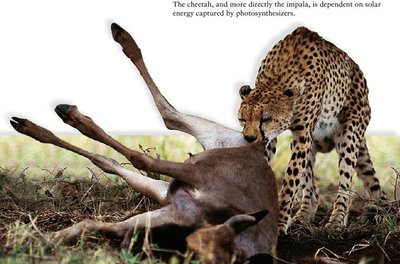
Example: The cheetah depends on solar energy captured by photosynthesizers, indirectly through its prey.
Metabolism: Catabolism and Anabolism
Metabolic Pathways
Metabolism is the sum of all chemical reactions in a cell, divided into two main types:
Catabolism: Breakdown of complex molecules into simpler ones, releasing energy (exergonic reactions).
Anabolism: Synthesis of complex molecules from simpler ones, requiring energy (endergonic reactions).
Exergonic and Endergonic Reactions
Metabolic reactions can be classified based on energy changes:
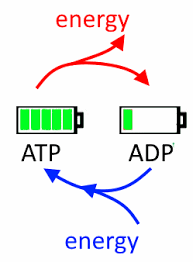
Exergonic reactions: Release energy; reactants have more energy than products.
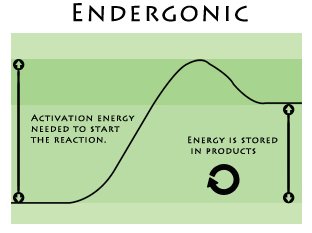
Endergonic reactions: Require energy input; products have more energy than reactants.
Redox Reactions in Metabolism
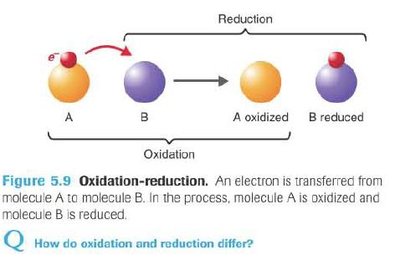
Oxidation-reduction (redox) reactions are fundamental to cellular metabolism:
Oxidation: Loss of electrons or hydrogen; breakdown reactions.
Reduction: Gain of electrons or hydrogen; synthesis reactions.
Example: Cellular respiration involves oxidation of glucose; photosynthesis involves reduction of carbon dioxide.
ATP: The Energy Currency of the Cell
ATP Structure and Function
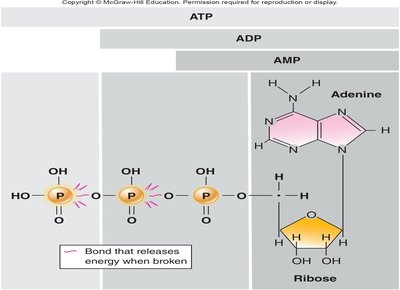
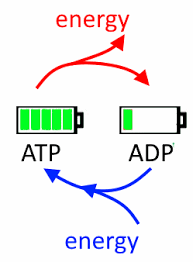
Adenosine triphosphate (ATP) is the primary energy carrier in cells. Energy is stored in the phosphate bonds and released when ATP is hydrolyzed to ADP.
ATP synthesis:
ATP hydrolysis:
Example: Cells extract energy from glucose and store it in ATP
.
Enzymes & Metabolic Pathways
Nature and Function of Enzymes
Enzymes are biological catalysts, mostly proteins, that speed up chemical reactions by lowering activation energy. They are highly specific for their substrates and reactions.
Enzyme specificity: Each enzyme catalyzes a specific reaction, acting on a particular substrate.
Active site: The region of the enzyme where substrate binding and catalysis occur.
Example: Amylase catalyzes the breakdown of starch into glucose.
Metabolic Pathways and Enzyme Regulation
Metabolic pathways consist of a series of enzyme-catalyzed reactions, each step controlled by a specific enzyme. Enzymes regulate both catabolic and anabolic reactions.
Pathway example: Glycolysis in cellular respiration.
Enzyme regulation: Factors such as temperature, pH, substrate concentration, and inhibitors affect enzyme activity.
Factors Affecting Enzyme Activity
Enzyme function is influenced by several factors:
Temperature: Optimal temperature increases activity; extreme heat causes denaturation.
pH: Each enzyme has an optimal pH; deviations can lead to denaturation.
Coenzymes and cofactors: Non-protein molecules (e.g., vitamins, minerals) assist enzyme function.
Inhibitors: Competitive and non-competitive inhibitors can reduce enzyme activity.
Summary Table: Catabolism vs. Anabolism
Type | Process | Energy | Water | Example |
|---|---|---|---|---|
Catabolism | Breakdown | Releases (Exergonic) | Consumes (Hydrolysis) | Starch + Water → Glucose + Energy |
Anabolism | Synthesis | Requires (Endergonic) | Produces (Dehydration) | Glucose + Energy → Starch + Water |
Key Concepts and Applications
Metabolism: The sum of all chemical reactions in a cell, regulated by enzymes.
Energy transformations: Cells convert energy from food into ATP, obeying thermodynamic laws.
Enzyme regulation: Ensures metabolic reactions occur efficiently and under controlled conditions.
Photosynthesis and cellular respiration: Fundamental anabolic and catabolic processes, respectively.
Additional info: Cells harness energy from molecules at about 40% efficiency; the rest is lost as heat, contributing to entropy and disorder in the universe.
