 Indietro
Cells Out of Control: Structure, Function, and Regulation in General Biology
Guida di studio - Note intelligenti
 Appunti personalizzati basati sui tuoi materiali, ampliati con definizioni chiave, esempi e contesto.
Cell Structure and Function
Overview of Cell Types
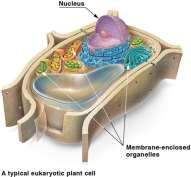
Cells are the fundamental units of life, and their structure determines their function. Eukaryotic cells, found in animals and plants, are larger and more complex than prokaryotic cells, containing membrane-bound organelles that perform specialized tasks.
Eukaryotic cells: Have a nucleus and organelles.
Prokaryotic cells: Lack a nucleus and organelles.
Organelles: Specialized structures within cells, each with distinct functions.
Examples: Animal cells, plant cells, and bacterial cells.
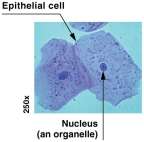
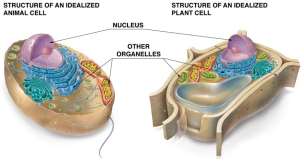
Animal and Plant Cell Structure
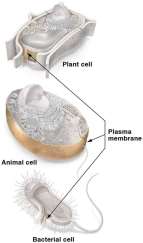
Both animal and plant cells share many organelles, but also have unique features. Understanding these differences is key to identifying cell types and their functions.
Common organelles: Plasma membrane, nucleus, mitochondria.
Unique to animal cells: Lysosomes.
Unique to plant cells: Chloroplasts, cell wall, central vacuole.
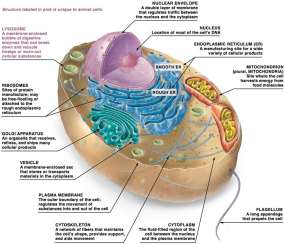
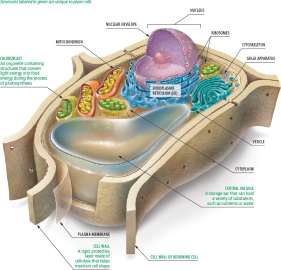
Cell Boundaries and Membranes
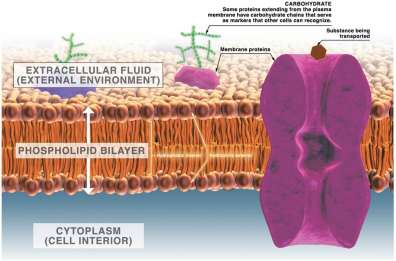
The plasma membrane defines the boundary of the cell and regulates the passage of materials. It is composed of a phospholipid bilayer with embedded proteins.
Plasma membrane: Surrounds all cells, selectively permeable.
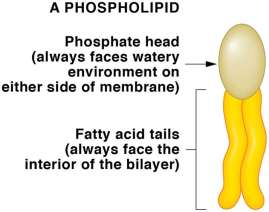
Phospholipid bilayer: Two layers of phospholipids, with hydrophilic heads facing outward and hydrophobic tails inward.
Membrane proteins: Facilitate transport and communication.
Transport Across Membranes
Selective Permeability
Cell membranes are selectively permeable, allowing some substances to pass freely while restricting others. Transport can be passive or active.
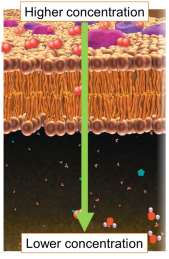
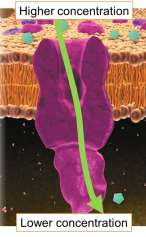
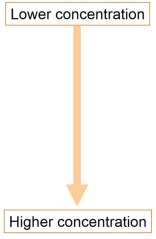
Passive transport: No energy required; substances move from high to low concentration.
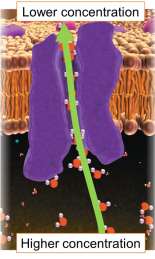
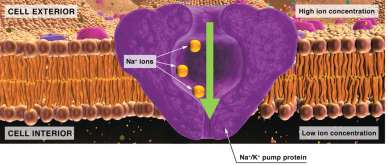
Active transport: Requires energy; substances move from low to high concentration.
Types of Transport
Diffusion: Movement of molecules from higher to lower concentration.
Osmosis: Diffusion of water across a membrane.
Facilitated diffusion: Large molecules move through transport proteins.
Active transport: Uses energy to move substances against their gradient.
Bulk Transport
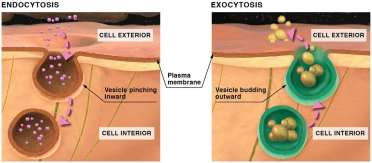
Cells can move large quantities of substances by modifying their membrane through endocytosis and exocytosis.
Endocytosis: Importing substances by engulfing them.
Exocytosis: Exporting substances by fusing vesicles with the membrane.
Protein Production and Organelles
DNA and Protein Synthesis
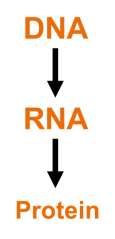
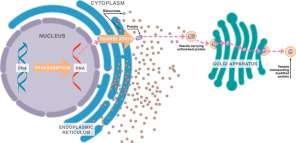
DNA in the nucleus directs cell activities by encoding instructions for protein synthesis. Protein production involves transcription and translation.
Transcription: DNA is copied into RNA in the nucleus.
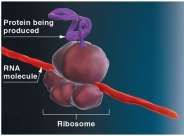
Translation: RNA is used to build proteins at ribosomes.
Organelles Involved in Protein Manufacture
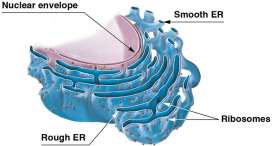
Ribosomes: Sites of protein synthesis; can be free or attached to rough ER.
Endoplasmic Reticulum (ER): Smooth ER produces lipids; rough ER produces proteins.
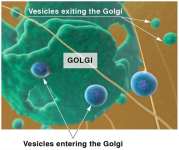
Golgi Apparatus: Finalizes, sorts, and ships cell products.
Lysosomes and Mitochondria
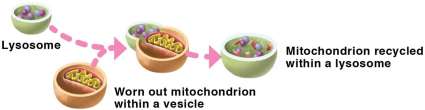
Lysosomes: Digestive vesicles that break down food, old cell parts, or invaders.
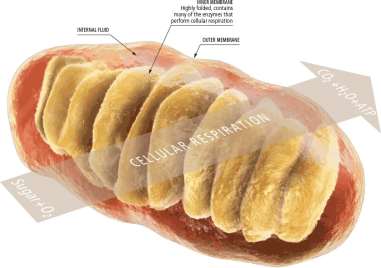
Mitochondria: Powerhouse of the cell, site of cellular respiration.
Specialized Structures in Plant and Animal Cells
Vacuoles
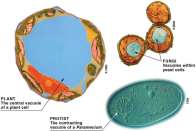
Vacuoles are intracellular sacs for storage and maintenance. Plant cells often have a large central vacuole.
Storage: Food, nutrients, pigments.
Water regulation: Pumps water out of cell.
Cell Appendages
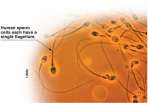
Flagella: Whip-like structures for movement.
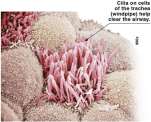
Cilia: Short, coordinated structures for movement or clearing surfaces.
Cell Walls and Cytoskeleton
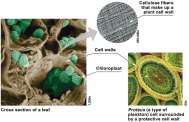
Cell wall: Rigid structure in plants, fungi, and some prokaryotes; made of cellulose.
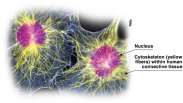
Cytoskeleton: Network of protein fibers for support and flexibility.
Extracellular Matrix
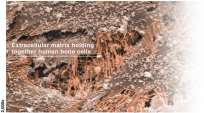
Animal cells produce a sticky extracellular matrix to hold cells together and form tissues.
Cellular Respiration and Energy
Overview of Cellular Respiration
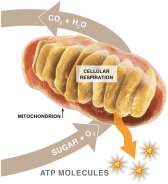
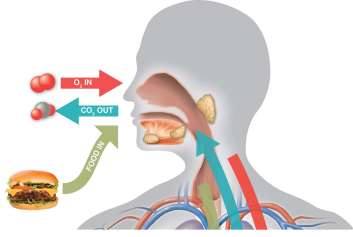
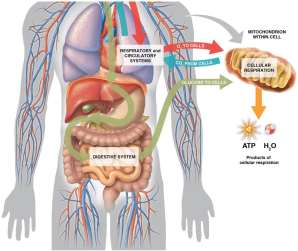
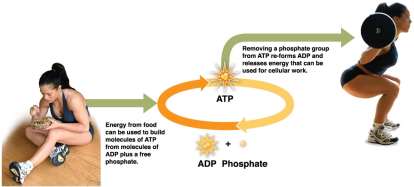
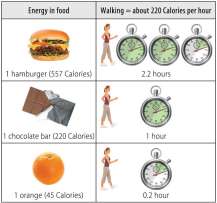
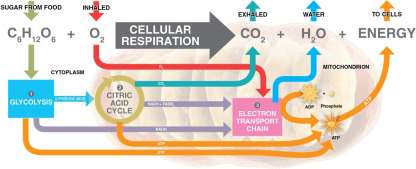
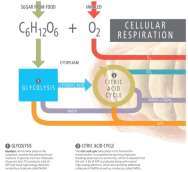
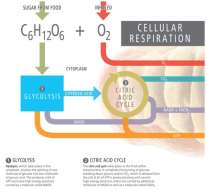
Cellular respiration is the process by which cells harvest energy from sugar, using oxygen. It occurs in all organisms and produces ATP, the cell's energy currency.
Aerobic respiration: Requires oxygen, occurs in mitochondria.
ATP: Adenosine triphosphate, stores and releases energy for cellular work.
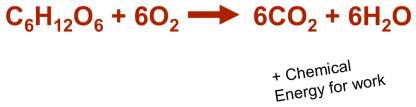
Equation:

Stages of Cellular Respiration
Glycolysis: Occurs in cytoplasm, splits glucose into pyruvic acid, produces small amount of ATP.
Citric Acid Cycle: Occurs in mitochondrial fluid, breaks down pyruvic acid, produces high-energy electrons and small amount of ATP.
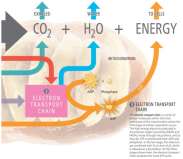
Electron Transport Chain: Occurs in inner mitochondrial membrane, produces most ATP, electrons combine with oxygen to form water.
Fermentation
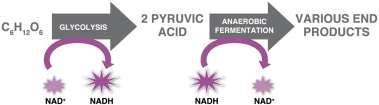
Fermentation is an anaerobic process that allows cells to harvest energy from glucose without oxygen, producing much less ATP.
Lactic acid fermentation: Occurs in muscle cells during oxygen shortage.
Alcohol fermentation: Occurs in yeast, produces CO2 and ethanol.
Regulation of Cell Growth and Cancer
Genes Controlling Cell Growth
Cell growth is regulated by genes that stimulate or inhibit division. Mutations in these genes can lead to uncontrolled cell growth and cancer.
Proto-oncogenes: Stimulate cell growth; mutations can create oncogenes (cancer-causing genes).
Tumor suppressor genes: Inhibit cell growth; mutations can fail to stop cell division.
Benign tumors: Do not spread; can be dangerous if they disrupt organ function.
Malignant tumors: Can spread (metastasis); cause cancer.
Decreasing Cancer Risk
Adopting healthy behaviors can reduce cancer risk. The following table summarizes risk-reducing behaviors and their biological mechanisms.
Risk-Reducing Behavior | Specific Risk Reduction Information | Biological Mechanism of Risk Reduction |
|---|---|---|
Don’t Use Tobacco | Avoid all forms of tobacco. | Tobacco contains carcinogens that increase cell division, damage DNA, and inhibit repair. |
Limit Alcohol Consumption | Men: ≤2 drinks/day; Women: ≤1 drink/day. | Alcohol can dissolve harmful chemicals, increasing DNA damage. |
Eat a Low-Fat, High-Fiber Diet | Eat ≥5 servings of fruits/vegetables and 6 servings of plant foods daily. | Antioxidants in plants help prevent DNA damage. |
Exercise Regularly | ≥30 minutes, 5 days/week. | Exercise boosts immune system to destroy cancer cells. |
Maintain a Healthy Weight | Avoid obesity; seek medical advice if needed. | Fatty tissue stores hormones, increasing risk of hormone-sensitive cancers. |
Summary
This study guide covers the structure and function of cells, mechanisms of transport, energy production, and regulation of cell growth, providing a comprehensive overview for General Biology students.
