 Indietro
Cellular Organization and Microscopy: Structure and Function of Cells
Guida di studio - Note intelligenti
 Appunti personalizzati basati sui tuoi materiali, ampliati con definizioni chiave, esempi e contesto.
Cellular Organization: The Basic Unit of Life
Essential Functions of Life
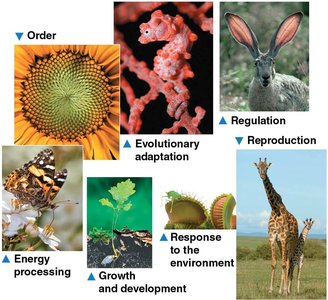
Cells are considered the basic unit of life because they carry out all seven essential functions that define living organisms. These functions include order, evolutionary adaptation, regulation, reproduction, energy processing, growth and development, and response to the environment.
Order: Organisms exhibit highly ordered structures.
Evolutionary adaptation: Organisms adapt to their environment over generations.
Regulation: Internal conditions are regulated to maintain homeostasis.
Reproduction: Organisms reproduce to ensure the continuation of their species.
Energy processing: Organisms obtain and use energy for growth and maintenance.
Growth and development: Organisms grow and develop according to genetic instructions.
Response to the environment: Organisms respond to environmental stimuli.
Cell Theory: A Key Biological Theme
Overview of Cell Theory
Cell theory is a fundamental concept in biology, stating that all living things are composed of cells, and that the cell is the basic unit of structure and function in organisms. Cells are too small to be seen with the naked eye, requiring microscopy for visualization.
Microscopy: Light microscopy uses glass lenses to magnify specimens by refracting light.
Resolution: The ability to distinguish two close objects as separate.
Contrast: The difference in light absorption between parts of a sample.
Microscopy: Visualizing Cells
Types of Microscopes
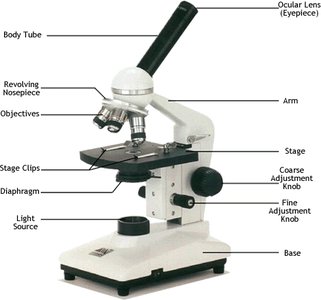
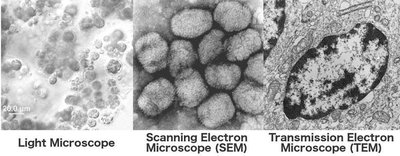
Microscopes are essential tools for studying cells. Light microscopes are commonly used in laboratories, while electron microscopes allow visualization of subcellular structures.
Light Microscopy: Passes light through a specimen and glass lenses to magnify images.
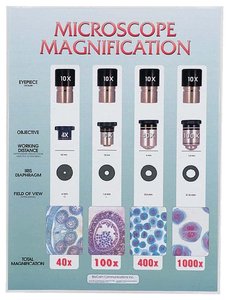
Magnification: The process of enlarging the appearance of an object. Formula:
Electron Microscopy: Uses electron beams for higher resolution.
Scanning Electron Microscope (SEM): Provides 3-D images of cell surfaces.
Transmission Electron Microscope (TEM): Reveals internal cell structures.
Cryo-electron Microscopy: Preserves samples at low temperatures for detailed visualization.
Cell Fractionation
Separating Cellular Components
Cell fractionation is a technique used to separate cellular organelles by centrifuging cells at different speeds. This allows researchers to study individual organelles and their functions.
Centrifugation: Separates organelles based on size and density.
Applications: Used to isolate mitochondria, nuclei, ribosomes, etc.
Types of Cells: Prokaryotic vs. Eukaryotic
Basic Features of All Cells
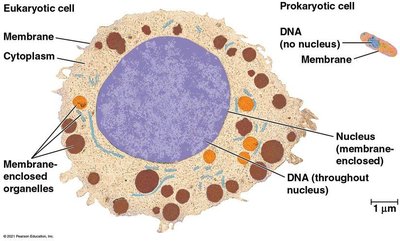
All cells share certain features, including a cell membrane, cytosol, chromosomes, and ribosomes. However, prokaryotic and eukaryotic cells differ in their internal organization.
Prokaryotic Cells:
No nucleus; DNA is unbound in the cytoplasm.
No membrane-bound organelles.
Examples: Bacteria and Archaea.
Eukaryotic Cells:
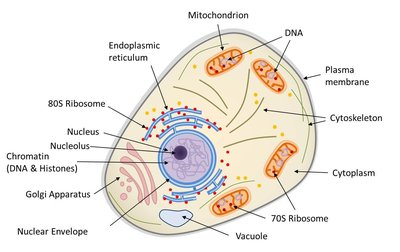
DNA is enclosed in a double-membrane nucleus.
Contains membrane-bound organelles.
Examples: Protists, fungi, animals, and plants.
Eukaryotic Cell Structure: Organelles and Compartments
Internal Membranes and Organelles
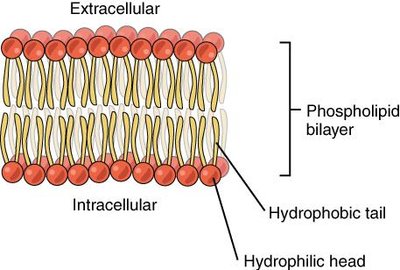
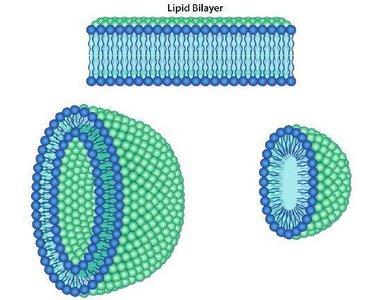
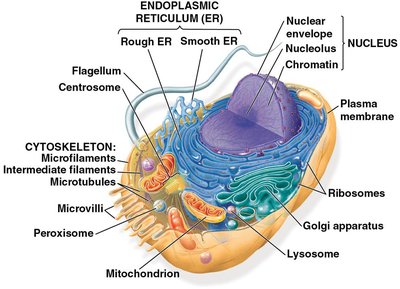
Eukaryotic cells contain internal membranes that divide the cell into specialized compartments, each with unique functions. These membranes are composed of phospholipid bilayers.
Phospholipid Bilayer: Double-layered structure forming the basis of cell membranes.
Organelle Compartments: Allow for specialized microenvironments and simultaneous cellular processes.
Major Eukaryotic Organelles
The Nucleus
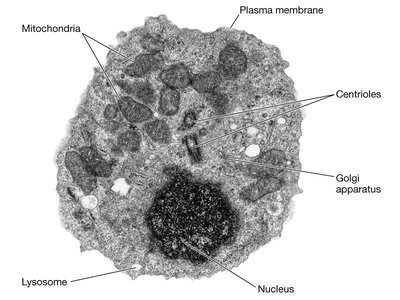
The nucleus is the genetic control center of the cell, housing DNA and coordinating protein synthesis.
Nuclear Envelope: Double membrane separating nucleus from cytoplasm.
Nuclear Lamina: Protein network maintaining nuclear shape.
Nuclear Pores: Regulate entry and exit of molecules.
Chromatin: DNA-protein complex; condenses into chromosomes during cell division.
Ribosomes
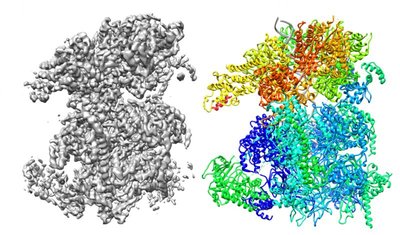
Ribosomes are the sites of protein synthesis, composed of ribosomal RNA and proteins. They can be free in the cytosol or bound to the endoplasmic reticulum.
The Endomembrane System
The endomembrane system is a network of organelles involved in synthesis, processing, and transport of cellular materials.
Components: Nuclear envelope, endoplasmic reticulum (ER), Golgi apparatus, lysosomes, vacuoles, plasma membrane.
Vesicle Transport: Connects organelles for material transfer.
Endoplasmic Reticulum (ER)
The ER is a continuous membrane system connected to the nuclear envelope, responsible for membrane synthesis and other functions.
Smooth ER: Lacks ribosomes; synthesizes lipids, stores calcium, detoxifies chemicals.
Rough ER: Has bound ribosomes; synthesizes proteins and glycoproteins, produces transport vesicles.
Golgi Apparatus
The Golgi apparatus modifies, sorts, and packages proteins and lipids from the ER for transport within or outside the cell.
Cisternae: Flattened membrane sacs.
Functions: Modification, sorting, packaging, and manufacturing macromolecules.
Lysosomes
Lysosomes are membrane-bound compartments containing hydrolytic enzymes for digestion of macromolecules. They maintain a low internal pH for enzyme activation.
Phagocytosis: Engulfing other cells to form food vacuoles, which fuse with lysosomes for digestion.
Autophagy: Recycling of cell parts.
Vacuoles
Vacuoles are large vesicles with diverse functions, especially prominent in plant cells.
Food Vacuoles: Formed by phagocytosis.
Contractile Vacuoles: Pump excess water out of protist cells.
Central Vacuole: Stores ions and sap, crucial for plant cell growth.
Summary: Cellular Introduction
Key Points
Cells are the basic unit of life, visualized through microscopy.
Prokaryotic and eukaryotic cells differ in internal structure and complexity.
Eukaryotic cells contain membrane-bound organelles, each with specialized functions.
Major organelles include the nucleus, ribosomes, endoplasmic reticulum, Golgi apparatus, lysosomes, and vacuoles.
