 Indietro
Cellular Respiration and Energy Processing: A Mini-Textbook Study Guide
Guida di studio - Note intelligenti
 Appunti personalizzati basati sui tuoi materiali, ampliati con definizioni chiave, esempi e contesto.
Energy Processing in Cells
Photosynthesis and Cellular Respiration
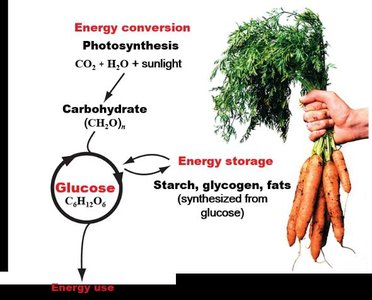
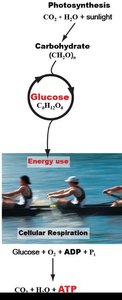
Photosynthesis and cellular respiration are two fundamental processes that allow organisms to convert and utilize energy. Photosynthesis enables plants and other autotrophs to capture energy from sunlight and store it in the form of glucose, a carbohydrate. Cellular respiration is the process by which cells extract energy from glucose to produce ATP, the primary energy currency of the cell.
Photosynthesis: Converts CO2 and H2O into glucose and O2 using sunlight.
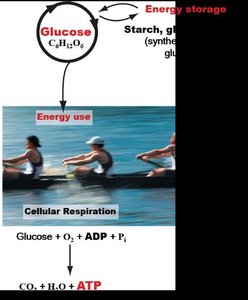
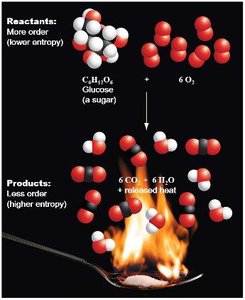
Cellular Respiration: Breaks down glucose in the presence of O2 to produce CO2, H2O, and ATP.
Energy Storage: Glucose can be stored as starch, glycogen, or fats.
Energy Use: ATP produced is used for cellular work.
Overview of Cellular Respiration
Stages and Key Concepts
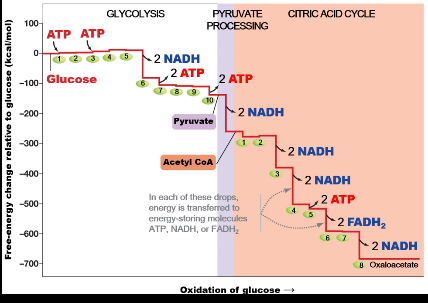
Cellular respiration consists of four interconnected stages: glycolysis, pyruvate processing, citric acid cycle, and electron transport chain/oxidative phosphorylation. Each stage plays a distinct role in the controlled release of energy from glucose and the production of ATP.
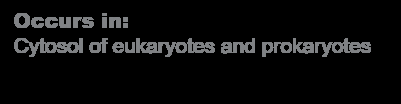
Glycolysis: Occurs in the cytosol; breaks down glucose into pyruvate, producing ATP and NADH.
Pyruvate Processing: Converts pyruvate to acetyl CoA, releasing CO2 and producing NADH.
Citric Acid Cycle: Completes glucose oxidation, producing NADH, FADH2, ATP (or GTP), and CO2.
Electron Transport Chain: Uses NADH and FADH2 to create a proton gradient, driving ATP synthesis via oxidative phosphorylation.

Cellular Respiration vs. Fermentation
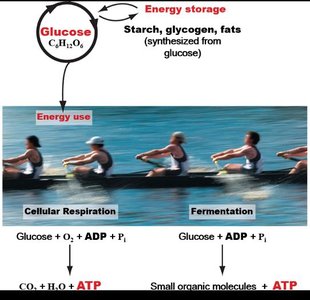
Cellular respiration is highly efficient, producing up to ~29 ATP per glucose molecule. In contrast, fermentation occurs in the absence of oxygen and is much less efficient, yielding only 2 ATP per glucose.
Aerobic Respiration: Uses O2 as the final electron acceptor.
Anaerobic Respiration: Uses alternate electron acceptors.
Fermentation: Regenerates NAD+ without an electron transport chain; produces minimal ATP.
Energetic Coupling and ATP Production
Redox Reactions and Energy Transfer
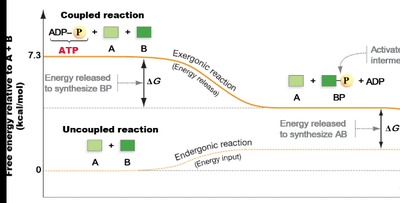
Cells control the release of energy from glucose through a series of redox reactions, coupling exergonic reactions to the synthesis of ATP and other energy carriers. The overall equation for cellular respiration is:
Energy is released in a stepwise manner, not all at once.
ATP is produced via substrate-level phosphorylation and oxidative phosphorylation.
Glycolysis
Process and Regulation
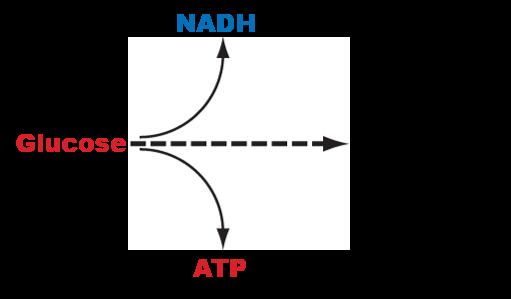
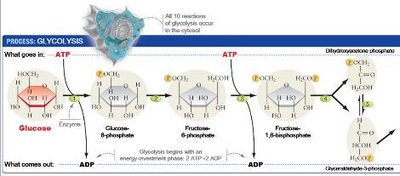
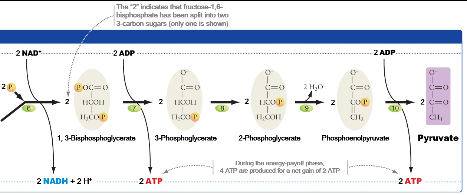
Glycolysis is a ten-step pathway that breaks down glucose into two pyruvate molecules, producing a net gain of 2 ATP and 2 NADH. It occurs in the cytosol and does not require mitochondria.
Energy Investment Phase: 2 ATP are used to phosphorylate glucose.
Energy Payoff Phase: 4 ATP are produced (net gain of 2 ATP), along with 2 NADH and 2 pyruvate.
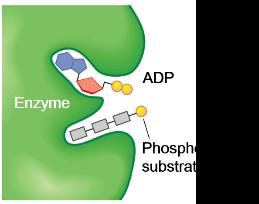
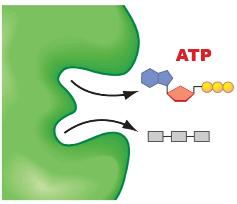
Substrate-level Phosphorylation: ATP is generated by transferring a phosphate group from a substrate to ADP.
Regulation: Glycolysis is regulated at the third step by the enzyme phosphofructokinase, which is inhibited by high ATP levels.
Pyruvate Processing
Conversion to Acetyl CoA
After glycolysis, pyruvate is transported into the mitochondrial matrix (in eukaryotes) and converted to acetyl CoA. This process releases CO2 and produces NADH.
Each pyruvate yields 1 CO2, 1 NADH, and 1 acetyl CoA.
Per glucose, 2 pyruvate molecules are processed.
Citric Acid Cycle (Krebs Cycle)
Complete Oxidation of Glucose
The citric acid cycle occurs in the mitochondrial matrix (eukaryotes) or cytosol (prokaryotes). It completes the oxidation of glucose, transferring electrons to NADH and FADH2, and producing ATP (or GTP) and CO2.
Per acetyl CoA: 3 NADH, 1 FADH2, 1 ATP/GTP, 2 CO2.
Cycle regenerates its starting molecule (oxaloacetate).
All carbons from glucose are released as CO2 by the end of this stage.
Electron Transport Chain and Oxidative Phosphorylation
ATP Synthesis via Chemiosmosis
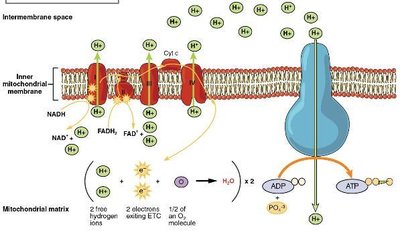
The electron transport chain (ETC) is a series of protein complexes embedded in the inner mitochondrial membrane. Electrons from NADH and FADH2 are transferred through the chain, ultimately reducing O2 to H2O. The energy released pumps protons (H+) across the membrane, creating a proton gradient. ATP synthase uses this gradient to synthesize ATP.
Oxidative Phosphorylation: Links the oxidation of NADH/FADH2 to ATP production.
Produces ~25 ATP per glucose.
Proton-motive force drives ATP synthesis (chemiosmosis).
Fermentation
Alternative Pathways in the Absence of Oxygen
When oxygen is unavailable, cells can perform fermentation to regenerate NAD+ and allow glycolysis to continue. Fermentation is much less efficient than aerobic respiration.
Lactic Acid Fermentation: In humans, pyruvate accepts electrons from NADH to form lactate.
Alcoholic Fermentation: In yeast, pyruvate is converted to ethanol and CO2.
Other pathways exist in bacteria and archaea.
Fermentation yields only 2 ATP per glucose.
Catabolic and Anabolic Pathways
Metabolic Interconnections
Cellular respiration is not limited to glucose. Other carbohydrates, fats, and proteins can be broken down and their intermediates fed into the pathway. Anabolic pathways use intermediates from cellular respiration to build macromolecules.
Catabolic Pathways: Break down molecules to release energy.
Anabolic Pathways: Build molecules using intermediates and energy.
Intermediates such as glucose-6-phosphate are used for nucleotide synthesis.
Regulation and Feedback Inhibition
Control of Metabolic Pathways
Cellular respiration is tightly regulated. Feedback inhibition is a common mechanism, where the accumulation of ATP inhibits key enzymes such as phosphofructokinase in glycolysis.
Phosphofructokinase: Catalyzes the third step in glycolysis; inhibited by high ATP.
Allosteric Regulation: ATP binds to an allosteric site, reducing enzyme activity.
Summary Table: Stages of Cellular Respiration
Stage | Main Location | Inputs | Outputs | ATP Yield |
|---|---|---|---|---|
Glycolysis | Cytosol | Glucose, 2 ATP, 2 NAD+ | 2 Pyruvate, 2 NADH, 4 ATP (net 2 ATP) | 2 |
Pyruvate Processing | Mitochondrial Matrix | 2 Pyruvate, 2 NAD+ | 2 Acetyl CoA, 2 NADH, 2 CO2 | 0 |
Citric Acid Cycle | Mitochondrial Matrix | 2 Acetyl CoA, 6 NAD+, 2 FAD, 2 ADP | 6 NADH, 2 FADH2, 2 ATP, 4 CO2 | 2 |
Electron Transport Chain | Inner Mitochondrial Membrane | 10 NADH, 2 FADH2, O2 | H2O, ATP | ~25 |
Key Equations
Cellular Respiration:
ATP Synthesis:
Additional info:
Some images and diagrams were used to clarify the stepwise breakdown of glucose, the regulation of glycolysis, and the comparison between cellular respiration and fermentation.
Allosteric regulation and feedback inhibition are essential for maintaining metabolic balance.
Intermediates from glycolysis and the citric acid cycle are used for biosynthesis of nucleotides, amino acids, and other macromolecules.
