 Indietro
Cellular Respiration and Fermentation: A Comprehensive Study Guide
Guida di studio - Note intelligenti
 Appunti personalizzati basati sui tuoi materiali, ampliati con definizioni chiave, esempi e contesto.
Cellular Respiration & Fermentation
Overview of Cellular Respiration
Cellular respiration is a fundamental metabolic process in cells, converting organic molecules into usable energy in the form of ATP. It includes both aerobic and anaerobic pathways, with aerobic respiration being the most efficient. - Aerobic Respiration: Utilizes oxygen as the final electron acceptor, producing large amounts of ATP. - Anaerobic Respiration: Occurs without oxygen, using alternative electron acceptors. - Fermentation: A process that allows glycolysis to continue in the absence of oxygen, producing limited ATP.
Oxidation of Organic Fuels
The oxidation of organic fuels involves the transfer of electrons, releasing energy for ATP synthesis. - Combustion Reactions: Complete oxidation of molecules like methane or glucose releases energy and forms CO2 and H2O. 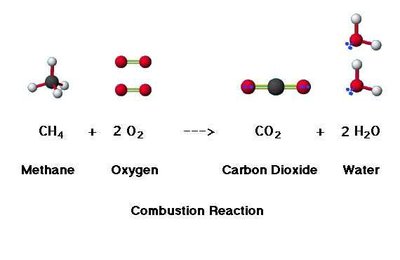
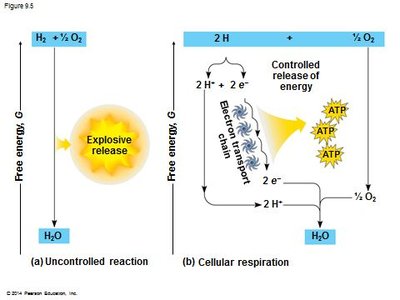
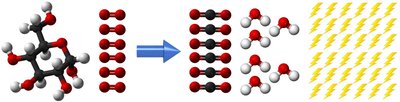 - Energy Release: Energy is released in small steps to prevent cell damage and maximize ATP production.
Redox Reactions in Cellular Respiration
Redox (oxidation-reduction) reactions are central to cellular respiration. - Oxidation: Loss of electrons. - Reduction: Gain of electrons. - Electron Carriers: NAD+ and FAD act as electron carriers, becoming NADH and FADH2 when reduced. 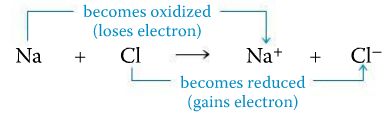
ATP: The Energy Currency
ATP (adenosine triphosphate) is the primary energy carrier in cells. - ATP Cycle: Energy from catabolism is used to convert ADP + Pi to ATP, which is then used for cellular work. 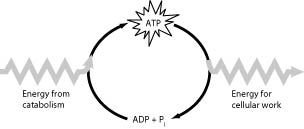
Stages of Cellular Respiration
1. Glycolysis
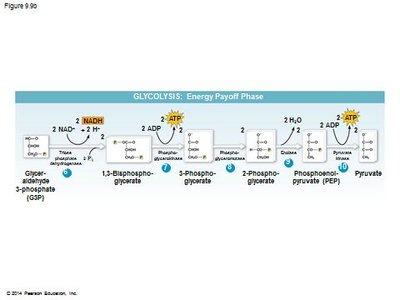
Glycolysis is the first stage of cellular respiration, occurring in the cytosol and does not require oxygen. - Process: Glucose is split into two pyruvate molecules through a series of enzyme-catalyzed steps. 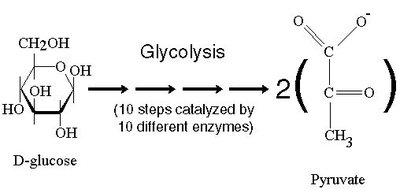
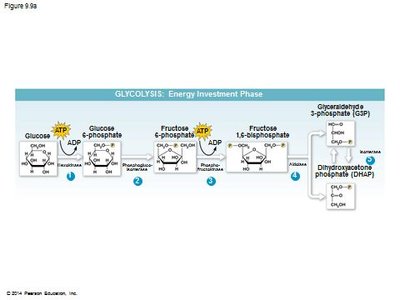
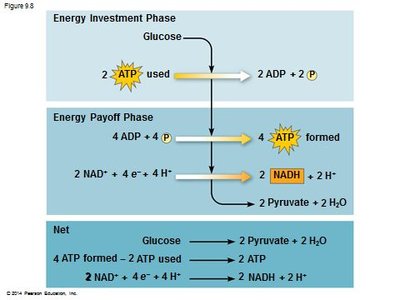 - Energy Investment Phase: 2 ATP are used to phosphorylate glucose. - Energy Payoff Phase: 4 ATP and 2 NADH are produced. - Net Yield: 2 ATP, 2 NADH, 2 pyruvate per glucose.
2. Oxidation of Pyruvate to Acetyl CoA
Pyruvate produced in glycolysis is transported into the mitochondrial matrix and converted to acetyl CoA. - Inputs: Pyruvate - Outputs: CO2, NADH, Acetyl CoA 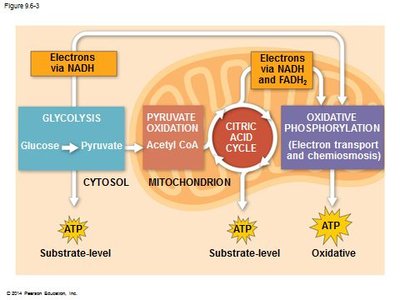
3. Citric Acid Cycle (Krebs Cycle)
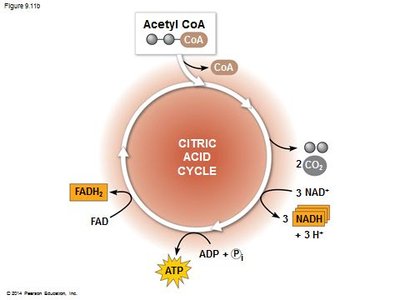
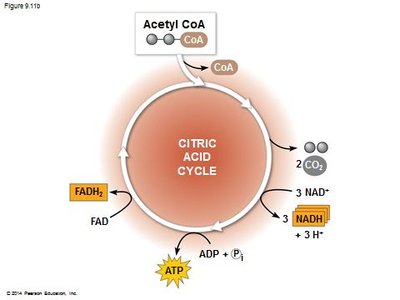
The citric acid cycle completes the oxidation of organic molecules, generating electron carriers and ATP. - Inputs: Acetyl CoA - Outputs: CO2, NADH, FADH2, ATP - Location: Mitochondrial matrix 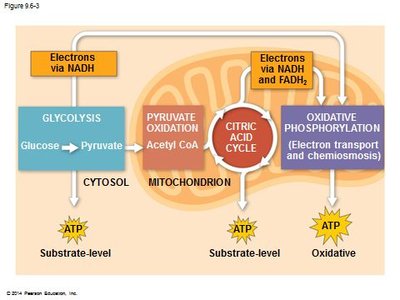
4. Electron Transport Chain & Oxidative Phosphorylation
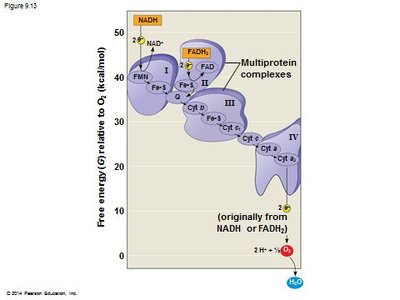
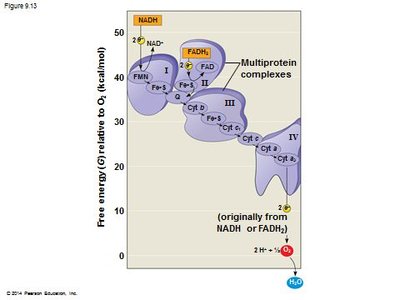
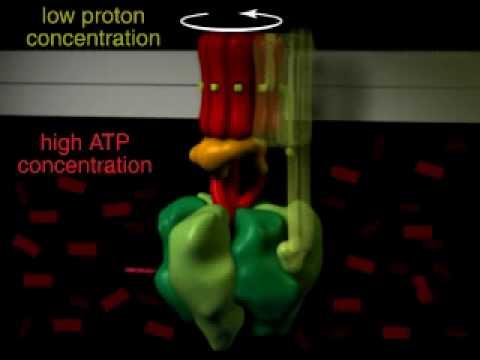
The electron transport chain (ETC) is embedded in the inner mitochondrial membrane and is responsible for the majority of ATP production. - Electron Flow: NADH and FADH2 donate electrons to the ETC, which are passed through protein complexes. - Final Electron Acceptor: Oxygen, forming water. - Proton Gradient: ETC pumps protons into the intermembrane space, creating a proton-motive force. 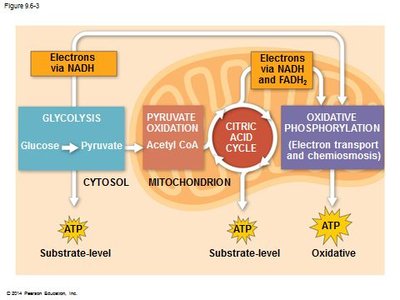
 - ATP Synthase: Protons flow back into the matrix through ATP synthase, driving the synthesis of ATP from ADP and Pi.
Fermentation & Anaerobic Respiration
Fermentation
Fermentation allows glycolysis to continue in the absence of oxygen by regenerating NAD+. - Alcohol Fermentation: Pyruvate is converted to ethanol and CO2, oxidizing NADH. - Lactic Acid Fermentation: Pyruvate is converted to lactate, oxidizing NADH.
Anaerobic Respiration
Anaerobic respiration uses an electron transport chain with a final electron acceptor other than oxygen (e.g., sulfate, nitrate).
Alternative Energy Sources
Metabolic Versatility
Cells can utilize carbohydrates, fats, and proteins for energy. - Fats: Broken down into glycerol (for glycolysis) and fatty acids (for acetyl CoA via beta-oxidation). - Proteins: Amino acids are deaminated and enter the cycle at various points.
Regulation of Cellular Respiration
Feedback Inhibition
Cellular respiration is regulated by feedback inhibition, primarily at the enzyme phosphofructokinase. - Phosphofructokinase: Inhibited by high ATP, stimulated by AMP.
Summary Table: Stages of Cellular Respiration
Stage | Main Inputs | Main Outputs | Location | ATP Yield |
|---|---|---|---|---|
Glycolysis | Glucose | Pyruvate, NADH, ATP | Cytosol | 2 ATP |
Pyruvate Oxidation | Pyruvate | Acetyl CoA, NADH, CO2 | Mitochondrial Matrix | 0 ATP |
Citric Acid Cycle | Acetyl CoA | CO2, NADH, FADH2, ATP | Mitochondrial Matrix | 2 ATP |
Oxidative Phosphorylation | NADH, FADH2, O2 | ATP, H2O | Inner Mitochondrial Membrane | ~34 ATP |
Concept Checks & Applications
Key Questions
- What is the immediate energy source for ATP synthesis by ATP synthase? Answer: The H+ concentration gradient across the membrane. - Which pathway is common to both fermentation and cellular respiration? Answer: Glycolysis. - Where is most CO2 released during catabolism? Answer: Citric Acid Cycle.
Example: Energy Yield Comparison
Fats yield more energy than carbohydrates due to their highly reduced structure, providing more electrons for the electron transport chain.
Summary
Cellular respiration is a multi-step process that efficiently converts organic molecules into ATP, with regulation ensuring energy production matches cellular needs. Fermentation and alternative pathways allow cells to adapt to varying environmental conditions. Additional info: The notes have been expanded to include definitions, examples, and context for each stage and process, ensuring completeness and clarity for exam preparation.
