 Indietro
Cellular Respiration and Fermentation: Chapter 9 Study Notes
Guida di studio - Note intelligenti
 Appunti personalizzati basati sui tuoi materiali, ampliati con definizioni chiave, esempi e contesto.
Cellular Respiration and Fermentation
Overview of Energy Flow in Biological Systems
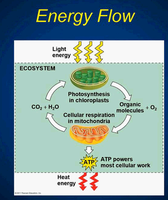
Cellular respiration is a fundamental process by which cells extract energy from organic molecules, primarily glucose, to produce ATP, the energy currency of the cell. This process is tightly linked to photosynthesis, forming a cycle of energy and matter in ecosystems.
Photosynthesis in chloroplasts converts light energy into organic molecules and oxygen.
Cellular respiration in mitochondria breaks down these organic molecules, releasing energy for cellular work and producing carbon dioxide and water as byproducts.
ATP powers most cellular work, and heat energy is released as a byproduct.
Catabolic Pathways and Exergonic Reactions
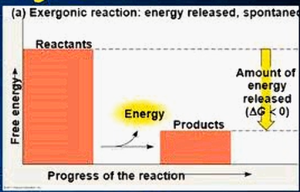
Catabolic pathways involve the breakdown of complex molecules into simpler ones, releasing energy.
Exergonic reactions are spontaneous and release energy, characterized by a negative change in free energy ().
Cellular respiration is an exergonic process, harnessing energy from covalent bonds in organic molecules.
Cellular Respiration: The Overall Equation
The process of cellular respiration can be summarized by the following equation:
Aerobic respiration (with oxygen):
Anaerobic respiration uses molecules other than oxygen as the final electron acceptor.
Fermentation is a form of anaerobic metabolism that occurs when oxygen is absent.

Redox Reactions in Cellular Respiration
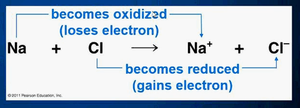
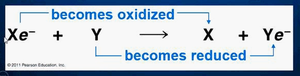
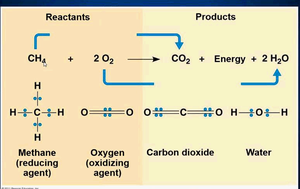
Cellular respiration is driven by oxidation-reduction (redox) reactions, where electrons are transferred between molecules.
Oxidation: Loss of electrons by a molecule.
Reduction: Gain of electrons by a molecule.
The molecule being oxidized acts as the reducing agent, while the molecule being reduced is the oxidizing agent.
Stepwise Energy Harvest and Electron Carriers
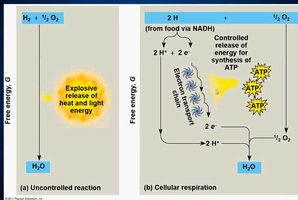
Energy from glucose is harvested in a stepwise manner to prevent explosive release and maximize ATP production.
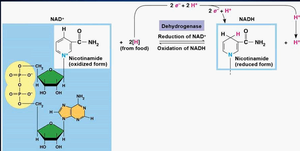
NAD+ and FAD are electron carriers that temporarily store energy by accepting electrons.
These carriers transfer electrons to the electron transport chain, where energy is gradually released and used to synthesize ATP.
ATP Production: Substrate-Level and Oxidative Phosphorylation
There are two main mechanisms for ATP synthesis during cellular respiration:
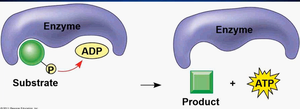
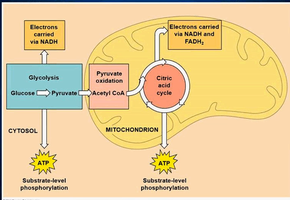
Substrate-level phosphorylation: Direct transfer of a phosphate group from a substrate to ADP, catalyzed by an enzyme.
Oxidative phosphorylation: Indirect synthesis of ATP via the electron transport chain and chemiosmosis, which generates most of the ATP in cellular respiration.
Stages of Cellular Respiration
Cellular respiration consists of several stages, each occurring in specific cellular locations:
Glycolysis (cytosol): Glucose is split into two molecules of pyruvate, producing a small amount of ATP and NADH.
Pyruvate oxidation (mitochondria): Pyruvate is converted to acetyl-CoA, generating NADH and CO2.
Citric acid cycle (mitochondria): Acetyl-CoA is oxidized, producing ATP, NADH, FADH2, and CO2.
Oxidative phosphorylation (mitochondria): Electron transport chain and chemiosmosis generate the majority of ATP.
Glycolysis: Energy Investment Phase
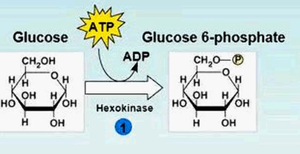
Glycolysis begins with an energy investment phase, where ATP is used to phosphorylate glucose, making it more reactive.
Hexokinase catalyzes the phosphorylation of glucose to glucose-6-phosphate.
This step is essential for trapping glucose in the cell and preparing it for further breakdown.
Electron Transport Chain and Chemiosmosis
The electron transport chain (ETC) is located in the inner mitochondrial membrane and is responsible for creating a proton gradient.
Electrons from NADH and FADH2 are transferred through protein complexes, releasing energy.
This energy pumps protons into the intermembrane space, creating a proton motive force.
Protons flow back through ATP synthase, driving the synthesis of ATP in a process called chemiosmosis.
Oxygen acts as the final electron acceptor, forming water.
Efficiency and Regulation of Cellular Respiration
Only about 34% of the energy in glucose is transferred to ATP; the rest is lost as heat.
ATP production is not always exact due to variations in proton-to-ATP ratios and shuttle efficiency.
Cellular respiration is flexible, allowing entry of proteins, fats, and other carbohydrates at various points in the pathway.
Feedback mechanisms regulate the process; for example, high ATP levels inhibit further glucose breakdown.
Fermentation: Anaerobic Metabolism
When oxygen is absent, cells rely on fermentation to produce ATP.
Alcohol fermentation: Pyruvate is converted to ethanol and CO2; acetaldehyde acts as the final electron acceptor.
Lactic acid fermentation: Pyruvate is reduced to lactate; pyruvate is the final electron acceptor.
Both processes yield only 2 ATP per glucose, as only glycolysis occurs.
Comparison of Aerobic, Anaerobic, and Fermentation Pathways
Pathway | Final Electron Acceptor | ATP Yield | Key Products |
|---|---|---|---|
Aerobic Respiration | Oxygen (O2) | ~30-32 ATP | CO2, H2O, ATP |
Anaerobic Respiration | Other electronegative molecules (e.g., nitrate, sulfate) | < Aerobic (variable) | CO2, H2O, ATP |
Alcohol Fermentation | Acetaldehyde | 2 ATP | Ethanol, CO2, ATP |
Lactic Acid Fermentation | Pyruvate | 2 ATP | Lactate, ATP |
Summary
Cellular respiration is a complex, regulated process that allows cells to efficiently extract energy from organic molecules. It is essential for life, providing ATP for cellular work and connecting to other metabolic pathways. Fermentation provides an alternative when oxygen is unavailable, though with much lower efficiency. Additional info: The notes include inferred details about regulation, flexibility, and efficiency of cellular respiration, as well as a comparison table for clarity.
