 Indietro
Cellular Respiration and Fermentation: Chapter 9 Study Guide
Guida di studio - Note intelligenti
 Appunti personalizzati basati sui tuoi materiali, ampliati con definizioni chiave, esempi e contesto.
Cellular Respiration and Fermentation
Life Is Work
Cells require energy to perform essential functions such as assembling polymers, membrane transport, movement, and reproduction. This energy is obtained from outside sources, primarily through feeding on other organisms or photosynthetic products.
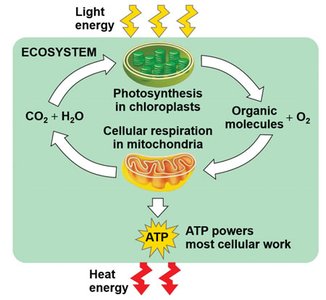
Energy Flow: Energy enters ecosystems as sunlight and leaves as heat.
Recycling Elements: Chemical elements essential to life are recycled within ecosystems.
Photosynthesis and Respiration: Photosynthesis generates O2 and organic molecules, which are used in cellular respiration to produce ATP.
ATP: ATP is the main energy currency of the cell, powering most cellular work.
Catabolic Pathways and ATP Production
Organic molecules are broken down in catabolic pathways, releasing energy. Cellular respiration includes both aerobic and anaerobic processes, but typically refers to aerobic respiration.
Fermentation: Partial degradation of sugars without O2.
Aerobic Respiration: Consumes organic molecules and O2, yielding ATP.
Anaerobic Respiration: Uses electron transport chain with a final electron acceptor other than O2.
General Equation:
Redox Reactions: Oxidation and Reduction
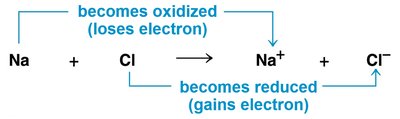
Redox reactions involve the transfer of electrons, releasing energy used to synthesize ATP.
Oxidation: Loss of electrons.
Reduction: Gain of electrons.
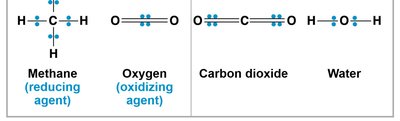
Reducing Agent: Electron donor.
Oxidizing Agent: Electron acceptor.

Oxidation of Organic Fuel Molecules
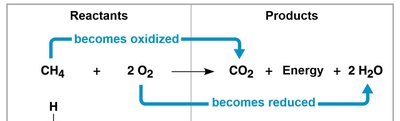
During cellular respiration, organic fuels like glucose are oxidized, and O2 is reduced. Molecules rich in hydrogen are excellent sources of high-energy electrons.
Stepwise Energy Harvest via NAD+ and the Electron Transport Chain
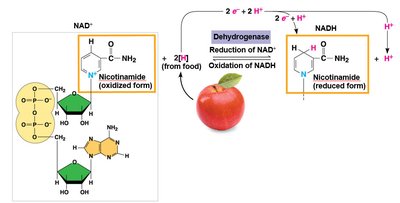
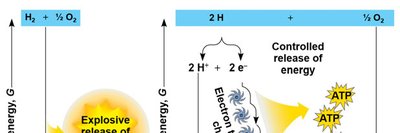
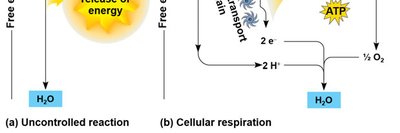
Electrons from organic compounds are transferred to NAD+, which acts as an oxidizing agent. NADH stores energy and passes electrons to the electron transport chain, which releases energy in steps to regenerate ATP.
The Stages of Cellular Respiration: A Preview
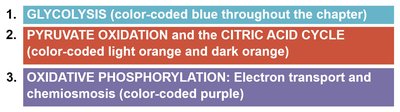
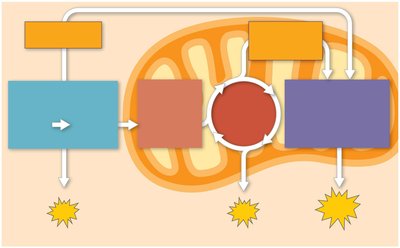
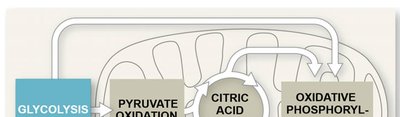
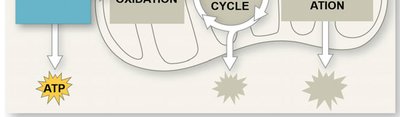
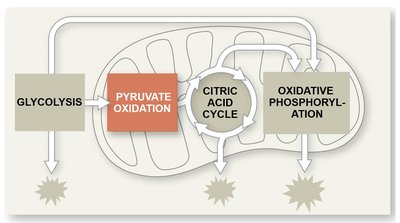
Cellular respiration consists of three main stages:
Glycolysis: Breaks down glucose into two pyruvate molecules.
Citric Acid Cycle: Completes the breakdown of glucose.
Oxidative Phosphorylation: Accounts for most ATP synthesis.
ATP Production: Substrate-Level and Oxidative Phosphorylation
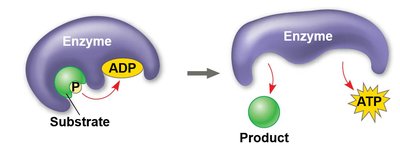
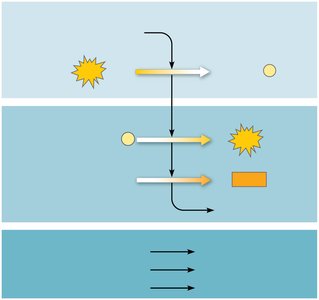
Most ATP is generated by oxidative phosphorylation, powered by redox reactions. A smaller amount is produced by substrate-level phosphorylation during glycolysis and the citric acid cycle.
ATP Yield from Glucose
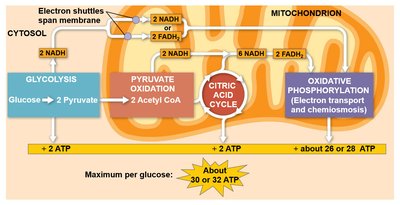
Each glucose molecule degraded by respiration yields up to 32 ATP. Glucose is like a large bill, while ATP is small change, easily spent by the cell.
Glycolysis
Overview of Glycolysis
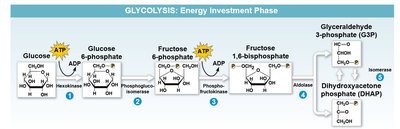
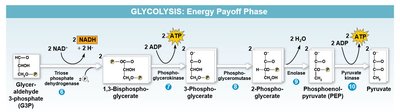
Glycolysis is the process of breaking down glucose into two pyruvate molecules. It occurs in the cytoplasm and consists of two phases:
Energy Investment Phase: ATP is used to phosphorylate glucose.
Energy Payoff Phase: ATP and NADH are produced.
Occurs with or without O2.
Citric Acid Cycle (Krebs Cycle)
Oxidation of Pyruvate to Acetyl CoA
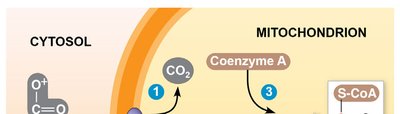
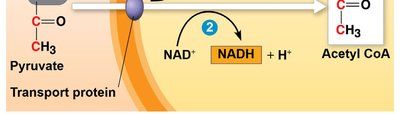
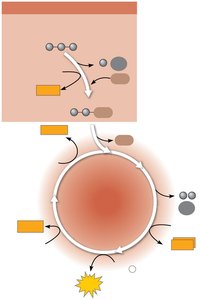
Before entering the citric acid cycle, pyruvate is converted to acetyl CoA. This process links glycolysis to the citric acid cycle and involves:
Oxidation of pyruvate and release of CO2
Reduction of NAD+ to NADH
Formation of acetyl CoA
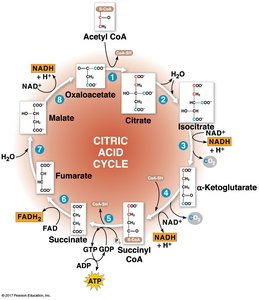
The Citric Acid Cycle
The citric acid cycle completes the breakdown of pyruvate to CO2. Each turn generates 1 ATP, 3 NADH, and 1 FADH2. The acetyl group of acetyl CoA combines with oxaloacetate to form citrate, which is then decomposed back to oxaloacetate.
Oxidative Phosphorylation and Chemiosmosis
Electron Transport Chain
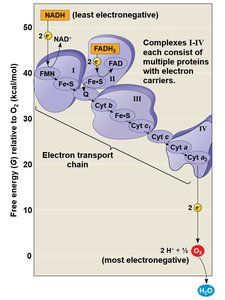
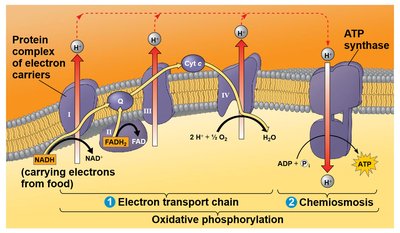
NADH and FADH2 donate electrons to the electron transport chain, located in the inner mitochondrial membrane. Electrons are passed through protein complexes and cytochromes, ultimately reducing O2 to H2O.
Chemiosmosis: The Energy-Coupling Mechanism
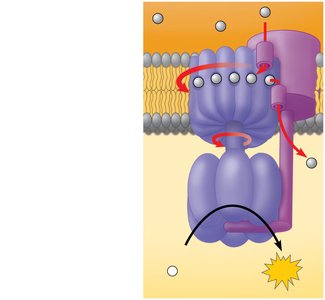
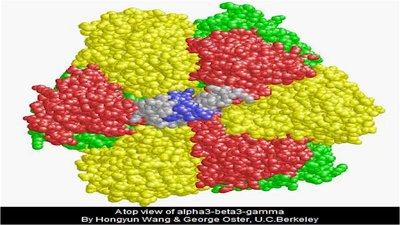
Energy released by electron transport is used to pump H+ across the membrane, creating a proton-motive force. H+ flows back through ATP synthase, driving ATP production.
ATP Accounting
Most energy flows from glucose to NADH to the electron transport chain to the proton-motive force to ATP. About 34% of glucose energy is transferred to ATP, with the rest lost as heat. The exact ATP yield varies due to several factors.
Fermentation and Anaerobic Respiration
Fermentation Overview
Fermentation enables cells to produce ATP without oxygen. Glycolysis is coupled with fermentation or anaerobic respiration to regenerate NAD+.
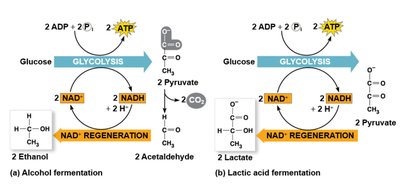
Alcohol Fermentation: Pyruvate is converted to ethanol, releasing CO2 and regenerating NAD+.
Lactic Acid Fermentation: Pyruvate is reduced to lactate, regenerating NAD+ without releasing CO2.
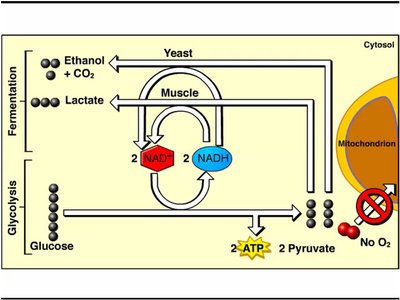
Comparing Fermentation, Anaerobic, and Aerobic Respiration
All three processes use glycolysis to oxidize glucose. They differ in how NADH is oxidized and in ATP yield:
Fermentation: Organic molecule is final electron acceptor; yields 2 ATP per glucose.
Anaerobic Respiration: Uses electron transport chain with non-O2 acceptor.
Aerobic Respiration: O2 is final electron acceptor; yields 32 ATP per glucose.
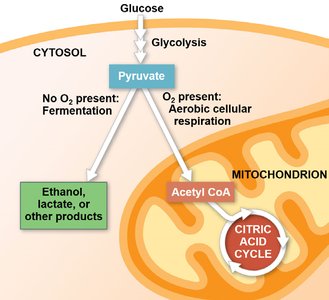
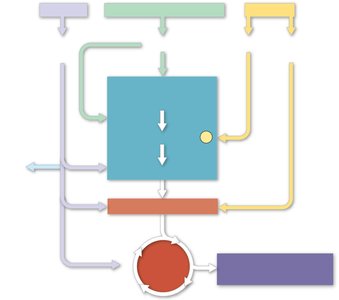
Evolutionary Significance and Metabolic Connections
Evolutionary Significance of Glycolysis
Glycolysis is an ancient and widespread metabolic pathway, used by early prokaryotes before O2 was present in the atmosphere. It occurs in the cytosol and does not require membrane-bound organelles.
Metabolic Pathways Interconnections
Glycolysis and the citric acid cycle connect to various catabolic and anabolic pathways. Catabolic pathways funnel electrons from carbohydrates, proteins, and fats into cellular respiration.
Carbohydrates: Glycolysis accepts a wide range.
Proteins: Digested to amino acids; amino groups removed.
Fats: Digested to glycerol and fatty acids; fatty acids undergo beta oxidation.
Fat yields more ATP per gram than carbohydrate.
Regulation of Cellular Respiration
Feedback inhibition regulates cellular respiration. When ATP is low, respiration speeds up; when ATP is abundant, respiration slows down. Enzyme activity at strategic points in the pathway is key to control.
Process | ATP Yield | Final Electron Acceptor |
|---|---|---|
Fermentation | 2 ATP | Organic molecule (e.g., pyruvate, acetaldehyde) |
Anaerobic Respiration | Variable | Non-O2 molecule (e.g., sulfate) |
Aerobic Respiration | ~32 ATP | O2 |
Example: Human muscle cells use lactic acid fermentation during strenuous exercise when O2 is scarce.
Additional info: The notes cover all major aspects of cellular respiration and fermentation, including energy flow, redox reactions, glycolysis, citric acid cycle, oxidative phosphorylation, fermentation types, metabolic connections, and regulation.
