 Indietro
Lecture: 12 Cellular Respiration and Fermentation: Energy Harvesting in Cells
Guida di studio - Note intelligenti
 Appunti personalizzati basati sui tuoi materiali, ampliati con definizioni chiave, esempi e contesto.
Cellular Respiration and Fermentation
Overview of Cellular Respiration
Cellular respiration is the process by which cells extract energy from organic molecules to produce ATP, the main energy currency of the cell. This process is essential for life and involves a series of metabolic pathways that break down glucose and other fuels.
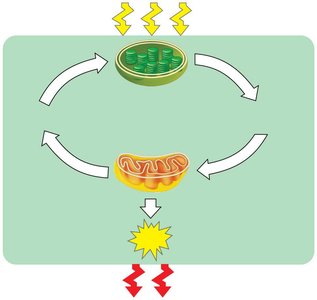
Energy Flow: Energy enters ecosystems as sunlight, is captured by photosynthesis, and is released as heat during cellular respiration.
ATP Production: Cells use the chemical energy stored in organic molecules to generate ATP, which powers cellular work.
Photosynthesis and Respiration: Photosynthesis generates O2 and organic molecules, which are then used in cellular respiration.
General Equation: The overall reaction for aerobic respiration is:
Catabolic Pathways and ATP Production
Catabolic pathways break down complex molecules into simpler ones, releasing energy that is used to synthesize ATP. Cellular respiration includes both aerobic (with O2) and anaerobic (without O2) respiration, but typically refers to aerobic processes.
Fuels: Carbohydrates, fats, and proteins can all be used as fuel, but glucose is the primary molecule studied.
ATP Synthesis: Energy released from catabolic reactions is used to phosphorylate ADP to ATP.
Redox Reactions: Oxidation and Reduction
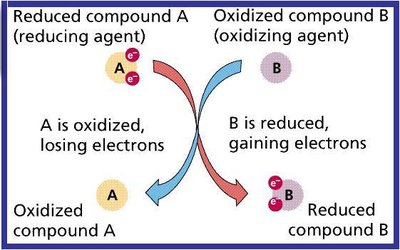
Redox (oxidation-reduction) reactions are chemical reactions that transfer electrons between reactants. These reactions are central to energy transfer in cells.
Oxidation: Loss of electrons by a molecule, atom, or ion.
Reduction: Gain of electrons by a molecule, atom, or ion.
OIL RIG: "Oxidation Is Loss, Reduction Is Gain" (of electrons).
Reducing Agent: Electron donor; becomes oxidized.
Oxidizing Agent: Electron acceptor; becomes reduced.
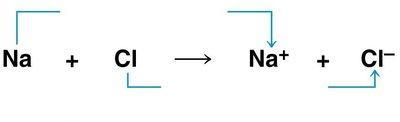

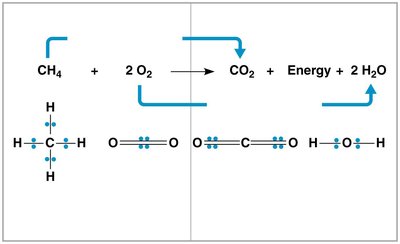
Some redox reactions involve changes in electron sharing in covalent bonds, not just complete electron transfer. For example, in the reaction between methane and O2:
Cellular Respiration as a Redox Process
During cellular respiration, glucose is oxidized and oxygen is reduced. This transfer of electrons releases energy, which is used to produce ATP.
Glucose: Acts as the reducing agent and is oxidized to CO2.
Oxygen: Acts as the oxidizing agent and is reduced to H2O.

Key Observations: Look for changes in charge, electron sharing, gain or loss of oxygen, and breakdown of molecules (release of energy).
Oxidative Phosphorylation and ATP Generation
Oxidative phosphorylation is the process by which most ATP is generated during cellular respiration. It is powered by redox reactions and involves the electron transport chain and chemiosmosis.
NAD+ and NADH: Electrons from organic compounds are first transferred to NAD+, forming NADH, which stores energy for ATP synthesis.
Electron Transport Chain (ETC): NADH passes electrons to the ETC, where O2 pulls electrons down the chain, releasing energy used to regenerate ATP.
ATP Yield: Up to 32 molecules of ATP are produced per molecule of glucose.
Stages of Cellular Respiration
Cellular respiration consists of three main stages, each with distinct roles in energy harvesting:
Glycolysis: Breaks down glucose into two molecules of pyruvate in the cytosol.
Citric Acid Cycle (Krebs Cycle): Completes the breakdown of glucose in the mitochondrial matrix.
Oxidative Phosphorylation: Includes the electron transport chain and chemiosmosis, producing most of the ATP.

Summary Table: Key Steps and Products of Cellular Respiration
Stage | Main Inputs | Main Outputs | ATP Produced | Location |
|---|---|---|---|---|
Glycolysis | Glucose, 2 NAD+, 2 ADP | 2 Pyruvate, 2 NADH, 2 ATP, 2 H2O | 2 (net) | Cytosol |
Pyruvate Oxidation | 2 Pyruvate, 2 NAD+, 2 CoA | 2 Acetyl CoA, 2 NADH, 2 CO2 | 0 | Mitochondrial matrix |
Citric Acid Cycle | 2 Acetyl CoA, 6 NAD+, 2 FAD, 2 ADP | 4 CO2, 6 NADH, 2 FADH2, 2 ATP | 2 | Mitochondrial matrix |
Oxidative Phosphorylation | 10 NADH, 2 FADH2, O2 | H2O, ~28 ATP | ~28 | Inner mitochondrial membrane |
Aerobic vs. Anaerobic Respiration and Fermentation
Cells can harvest energy in the absence of oxygen through anaerobic respiration or fermentation. These processes allow glycolysis to continue by regenerating NAD+.
Aerobic Respiration: Uses O2 as the final electron acceptor in the ETC, producing the most ATP.
Anaerobic Respiration: Uses other molecules as the final electron acceptor (e.g., sulfate, nitrate).
Fermentation: Partial degradation of sugars without O2; produces less ATP and regenerates NAD+ for glycolysis.
Types of Fermentation: Lactic acid fermentation (produces lactate) and alcohol fermentation (produces ethanol and CO2).
Key Chemical Structures and Equations
Glucose Structure: The main fuel molecule for cellular respiration.
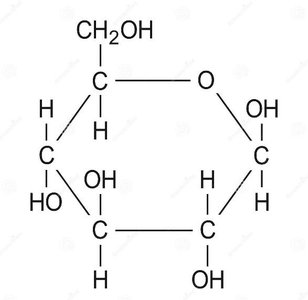
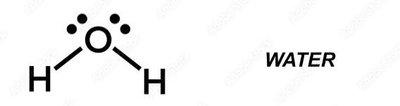
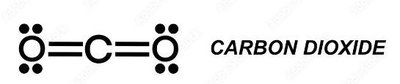
Water and Carbon Dioxide: Main products of aerobic respiration.
Overall Respiration Equation:
Summary of Redox Agents
Agent | Role | What Happens |
|---|---|---|
Reducing Agent | Electron donor | Becomes oxidized |
Oxidizing Agent | Electron acceptor | Becomes reduced |
Summary
Cellular respiration is a series of redox reactions that extract energy from organic molecules to produce ATP.
Glucose is oxidized to CO2, and O2 is reduced to H2O.
ATP is produced through substrate-level phosphorylation (glycolysis and citric acid cycle) and oxidative phosphorylation (ETC and chemiosmosis).
Fermentation and anaerobic respiration allow cells to generate ATP when oxygen is not available.
