 Indietro
Cellular Respiration and Fermentation: Mechanisms and Applications
Guida di studio - Note intelligenti
 Appunti personalizzati basati sui tuoi materiali, ampliati con definizioni chiave, esempi e contesto.
Cellular Respiration
Overview of Cellular Respiration
Cellular respiration is the process by which cells extract energy from glucose and other organic molecules. It consists of several stages, each contributing to the production of ATP, the cell's energy currency. - Key Point 1: Cellular respiration includes glycolysis, pyruvate oxidation, the citric acid cycle, and oxidative phosphorylation. - Key Point 2: The process occurs in both the cytosol and mitochondria of eukaryotic cells. - Example: Glucose is broken down to produce ATP, CO2, and H2O. 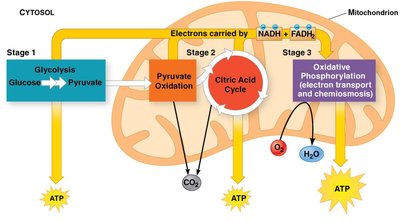
Stages of Cellular Respiration
The four major stages of aerobic respiration are: 1. Glycolysis: Glucose is converted to pyruvate in the cytosol, producing ATP and NADH. 2. Pyruvate Oxidation: Pyruvate is transported into the mitochondria and oxidized to acetyl-CoA, generating NADH and CO2. 3. Citric Acid Cycle (Krebs Cycle): Acetyl-CoA enters the cycle, producing ATP, NADH, FADH2, and CO2. 4. Oxidative Phosphorylation: NADH and FADH2 donate electrons to the electron transport chain, leading to ATP synthesis via chemiosmosis. 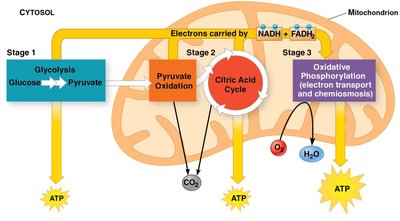
Electron Transport Chain and Chemiosmosis
The electron transport chain (ETC) is a series of protein complexes located in the inner mitochondrial membrane. Electrons from NADH and FADH2 are transferred through the chain, ultimately reducing oxygen to water. - Key Point 1: The ETC creates a proton gradient across the inner mitochondrial membrane. - Key Point 2: ATP synthase uses this gradient to produce ATP from ADP and inorganic phosphate. - Example: Oxygen acts as the final electron acceptor in the ETC. 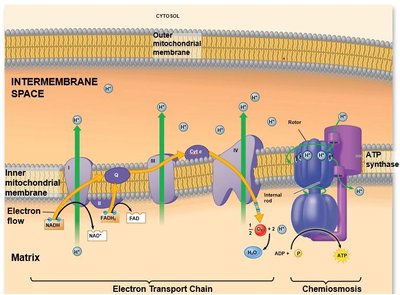
Role of Oxygen in Respiration
Oxygen is essential for aerobic respiration as the final electron acceptor in the ETC. Without oxygen, the ETC cannot function, leading to a halt in ATP production via oxidative phosphorylation. - Key Point 1: Without oxygen, electron transport and proton pumping stop. - Key Point 2: NADH and FADH2 cannot be oxidized, preventing glycolysis from continuing unless NAD+ is regenerated by other means. 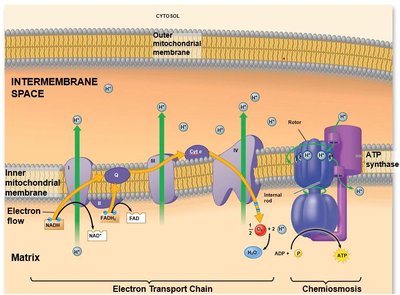
Fermentation (Anaerobic Respiration)
Overview of Fermentation
Fermentation is an anaerobic process that allows cells to produce ATP without oxygen. It regenerates NAD+ by transferring electrons from NADH to pyruvate or its derivatives. - Key Point 1: Fermentation occurs when oxygen is unavailable, allowing glycolysis to continue. - Key Point 2: Two main types are lactic acid fermentation and alcoholic fermentation. 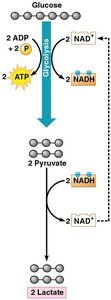
Lactic Acid Fermentation
In lactic acid fermentation, pyruvate is reduced to lactic acid by NADH, regenerating NAD+. This process occurs in muscle cells and certain bacteria. - Key Point 1: Pyruvate is reduced, NADH is oxidized. - Key Point 2: Produces lactic acid, which contributes to the sour taste of foods like yogurt and cheese. - Example: Yogurt production relies on lactic acid fermentation by bacteria. 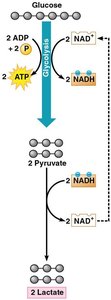

Alcoholic Fermentation
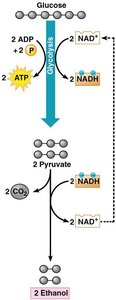
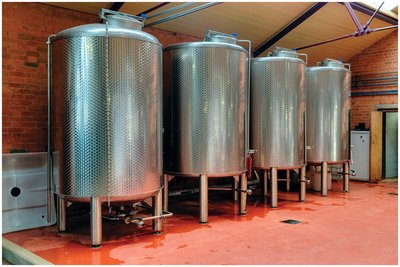
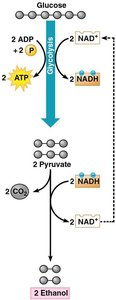
Alcoholic fermentation is carried out by yeast and some bacteria. Pyruvate is converted to ethanol and CO2, with NADH oxidized to NAD+. - Key Point 1: Pyruvate is reduced to ethanol, releasing CO2. - Key Point 2: Used in the production of alcoholic beverages and bread. - Example: Yeast fermentation produces ethanol in beer and wine, and CO2 causes bread to rise. 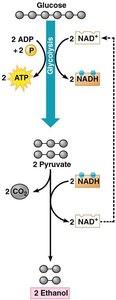
Comparison of Aerobic Respiration and Fermentation
Key Differences
Feature | Aerobic Respiration | Fermentation |
|---|---|---|
Final Electron Acceptor | Oxygen | Organic molecule (pyruvate or derivative) |
ATP Yield | High (up to 36-38 ATP per glucose) | Low (2 ATP per glucose) |
End Products | CO2, H2O | Lactic acid or ethanol + CO2 |
Location | Cytosol and mitochondria | Cytosol |
Applications of Fermentation
Food Production
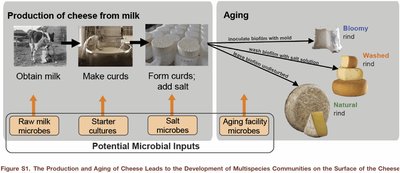
Fermentation is widely used in food and beverage industries. - Key Point 1: Lactic acid fermentation produces yogurt, cheese, and other sour foods. - Key Point 2: Alcoholic fermentation is essential for bread, beer, and wine production. - Example: Cheese is produced by microbial fermentation and aging processes.
Summary Table: Pathways of Glucose Metabolism
Pathway | ATP Produced | NAD+ Regeneration | End Products |
|---|---|---|---|
Aerobic Respiration | 36-38 | ETC (O2 as acceptor) | CO2, H2O |
Lactic Acid Fermentation | 2 | Pyruvate reduction | Lactic acid |
Alcoholic Fermentation | 2 | Acetaldehyde reduction | Ethanol, CO2 |
Additional info: Fermentation is crucial for maintaining glycolysis in anaerobic conditions by regenerating NAD+. It is also responsible for the unique flavors and textures of many foods and beverages.
