 Indietro
Cellular Respiration and Glycolysis: An Overview for General Biology
Guida di studio - Note intelligenti
 Appunti personalizzati basati sui tuoi materiali, ampliati con definizioni chiave, esempi e contesto.
Overview of Cellular Respiration
Redox Reactions in Biological Systems
Cellular respiration is a fundamental metabolic process in which cells extract energy from organic molecules, primarily glucose, through a series of oxidation-reduction (redox) reactions. These reactions involve the transfer of electrons from one molecule (the electron donor) to another (the electron acceptor), facilitated by specific enzymes.
Oxidation: The removal of electrons from a molecule.
Reduction: The addition of electrons to a molecule.
OIL RIG: Oxidation Is Loss, Reduction Is Gain.
NAD+: The oxidized form of nicotinamide adenine dinucleotide, acts as an electron shuttle.
NADH: The reduced form, carries electrons to other pathways.
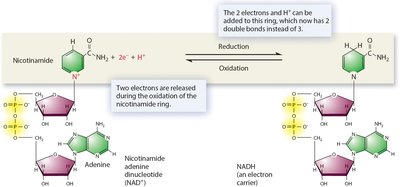
Key Point: Redox reactions are essential for energy extraction in cells, and NAD+/NADH is a central electron carrier.
Enzyme-Mediated Electron Transfers
Enzymes facilitate the transfer of electrons during redox reactions, ensuring that energy is released in a controlled manner. This prevents the loss of energy as heat and allows cells to harness it for biological work.
Electron donor: Substrate that loses electrons.
Electron acceptor: Substrate that gains electrons.
Enzyme: Catalyzes the transfer, often involving NAD+ or NADH.
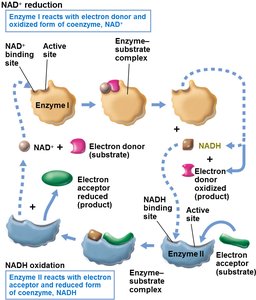
Example: Dehydrogenase enzymes transfer electrons from substrates to NAD+, forming NADH.
Metabolism: Catabolic and Anabolic Pathways
Metabolism encompasses all chemical reactions in a cell, including catabolic (energy-releasing) and anabolic (energy-consuming) pathways. Catabolic reactions break down complex molecules, releasing electrons and energy, while anabolic reactions build cellular components.
Catabolic pathways: Breakdown of organic compounds, release energy.
Anabolic pathways: Synthesis of cellular molecules, require energy.
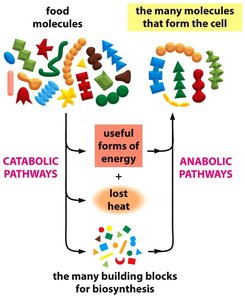
Electron Potential Energy
Electrons in organic molecules possess potential energy, which is harnessed during cellular respiration. The energy depends on the electron's shell; electrons in higher shells have more energy.
Energy levels: Analogous to a ball bouncing down stairs; energy is lost as electrons move to lower shells.
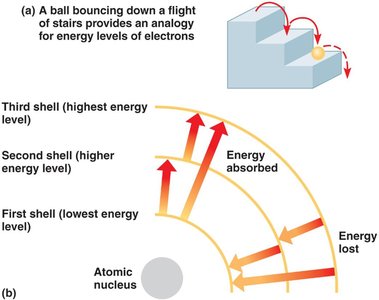
Equation for Cellular Respiration
The overall equation for cellular respiration describes the oxidation of glucose and reduction of oxygen, resulting in carbon dioxide, water, and energy:
Glucose is oxidized (loses electrons).
Oxygen is reduced (gains electrons).

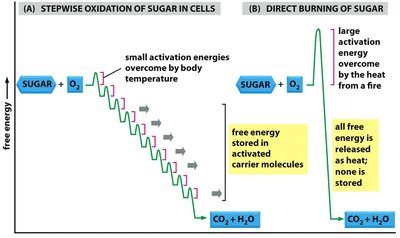
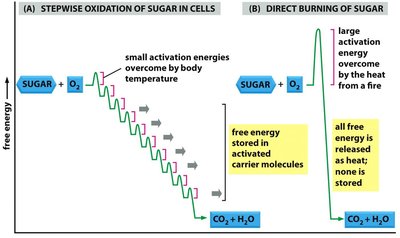
Cellular Respiration vs. Burning Wood
Both cellular respiration and burning wood oxidize glucose, but differ in how energy is released and conserved:
Cellular respiration: Energy is released gradually and stored in ATP, NADH, and FADH2.
Burning wood: Energy is released rapidly as heat, none is stored.
Energy Yield and Electron Carriers
Cellular respiration releases energy in a controlled manner, with a free energy change () of -685 kcal/mol. Energy is stored in ATP, NADH, and FADH2, which are used in subsequent cellular processes.
Electron carriers: NADH and FADH2 transport electrons to the electron transport chain.
ATP: The primary energy currency of the cell.
Glycolysis
Phases of Glycolysis
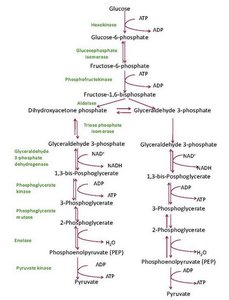
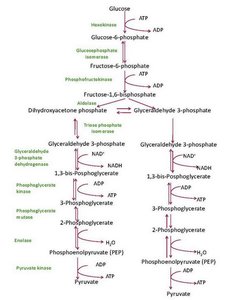
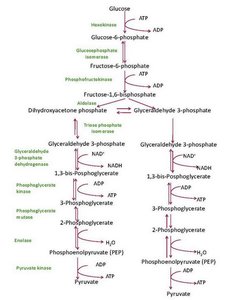
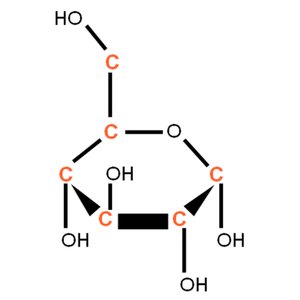
Glycolysis is the first stage of cellular respiration, occurring in the cytosol. It converts glucose (6C) into two pyruvate (3C) molecules through three phases:
Energy Investment Phase: 2 ATP are used to phosphorylate glucose.
Cleavage Phase: The 6C sugar is split into two 3C sugars.
Payoff Phase: 4 ATP and 2 NADH are produced; net gain is 2 ATP per glucose.
Substrate-Level Phosphorylation
ATP is generated in glycolysis by substrate-level phosphorylation, where a phosphate group is directly transferred from a substrate to ADP by an enzyme.
Enzyme-mediated: Requires a specific enzyme and a phosphorylated substrate.
Example: Step 10 of glycolysis, where phosphoenolpyruvate donates a phosphate to ADP, forming ATP and pyruvate.
Products of Glycolysis
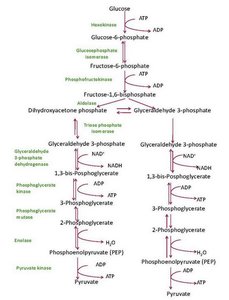
For each glucose molecule, glycolysis produces:
2 pyruvate
2 NADH
4 ATP (total), 2 ATP (net gain)
Energy Yield and Location
Glycolysis occurs in the cytosol and extracts only a small portion of the energy from glucose. Most energy remains in pyruvate, which will be further processed in subsequent pathways.
ΔG for glycolysis:
Location: Cytosol
Feedback Inhibition in Glycolysis
Glycolysis is regulated by feedback inhibition, particularly at the enzyme phosphofructokinase (PFK). ATP acts as a noncompetitive inhibitor, binding to a regulatory site and reducing the enzyme's activity when cellular ATP levels are high.
PFK regulation: Ensures glycolysis proceeds only when energy is needed.
Noncompetitive inhibition: Inhibitor binds to a site other than the active site.
Summary Table: Glycolysis Inputs and Outputs
Input | Output |
|---|---|
1 Glucose | 2 Pyruvate |
2 ATP (invested) | 4 ATP (produced) |
2 NAD+ | 2 NADH |
Location: Cytosol | Net ATP: 2 |
Key Concepts for Exam Preparation
Follow the electrons, carbons, and phosphates through each pathway.
Understand the role of NAD+/NADH as electron carriers.
Know the phases and regulation of glycolysis.
Be able to write and interpret the equation for cellular respiration.
Additional info: The notes expand on the original content by providing definitions, examples, and context for each step of cellular respiration and glycolysis, ensuring completeness and academic quality for exam preparation.
