 Indietro
Cellular Respiration: How Cells Harvest Chemical Energy
Guida di studio - Note intelligenti
 Appunti personalizzati basati sui tuoi materiali, ampliati con definizioni chiave, esempi e contesto.
Cellular Respiration: How Cells Harvest Chemical Energy
Introduction to Cellular Respiration
Cellular respiration is the process by which cells extract energy from food molecules to produce ATP, the main energy currency of the cell. This process is essential for all living organisms, as it powers cellular activities and maintains life functions.
ATP (adenosine triphosphate) is produced through the breakdown of organic molecules, primarily glucose.
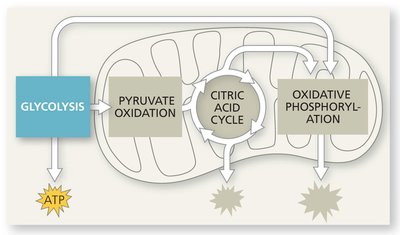
Cellular respiration occurs in three main stages: glycolysis, the citric acid cycle, and oxidative phosphorylation.
Both aerobic (with oxygen) and anaerobic (without oxygen) pathways exist, but aerobic respiration is the most efficient.
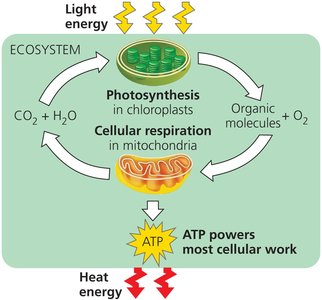
Energy Flow and Chemical Recycling in Ecosystems
Energy flows through ecosystems, entering as sunlight and leaving as heat. Photosynthesis and cellular respiration are interconnected processes that sustain life by cycling energy and matter.
Photosynthesis converts light energy into chemical energy, producing organic molecules and oxygen.
Cellular respiration uses these organic molecules and oxygen to generate ATP, releasing carbon dioxide and water as byproducts.
Overview of Cellular Respiration
Cellular respiration can be summarized by the following equation:
Glucose is the primary fuel, but fats and proteins can also be used.
The process involves a series of enzyme-catalyzed reactions that gradually release energy.

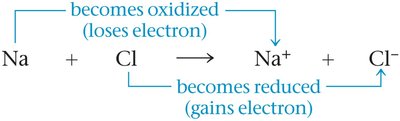
Redox Reactions: Oxidation and Reduction
Cellular respiration relies on redox (oxidation-reduction) reactions, where electrons are transferred from one molecule to another, releasing energy.
Oxidation: Loss of electrons from a substance.
Reduction: Gain of electrons by a substance.
"OIL RIG": Oxidation Is Loss, Reduction Is Gain (of electrons).

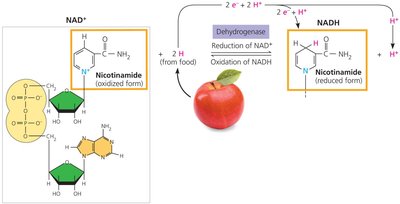
Electron Carriers: NAD+ and FAD
During cellular respiration, electrons are transferred to electron carriers such as NAD+ (nicotinamide adenine dinucleotide) and FAD (flavin adenine dinucleotide), which shuttle electrons to the electron transport chain.
NAD+ is reduced to NADH, and FAD is reduced to FADH2.
These carriers temporarily store energy that will be used to generate ATP.
Stages of Cellular Respiration
Cellular respiration occurs in three main stages:
Glycolysis: Occurs in the cytosol; breaks down glucose into two molecules of pyruvate, producing a small amount of ATP and NADH.
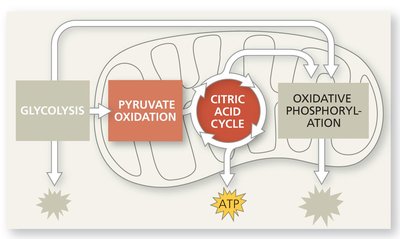
Pyruvate Oxidation and Citric Acid Cycle: Occurs in the mitochondrial matrix; completes the breakdown of glucose, releasing CO2, and generating ATP, NADH, and FADH2.
Oxidative Phosphorylation: Occurs in the inner mitochondrial membrane; uses the electron transport chain and chemiosmosis to produce most of the ATP.


Glycolysis
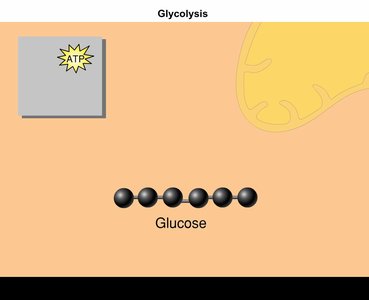
Glycolysis is the first stage of cellular respiration and takes place in the cytosol. It splits one glucose molecule (6C) into two pyruvate molecules (3C each).
Produces 2 ATP (net) by substrate-level phosphorylation.
Reduces 2 NAD+ to 2 NADH.
Does not require oxygen (anaerobic process).
Substrate-Level Phosphorylation
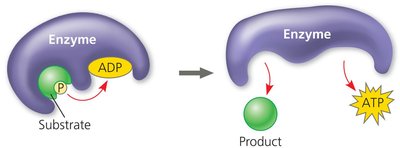
Substrate-level phosphorylation is a process in which an enzyme transfers a phosphate group directly from a substrate to ADP, forming ATP. This occurs in glycolysis and the citric acid cycle.
Pyruvate Oxidation and the Citric Acid Cycle
After glycolysis, pyruvate is transported into the mitochondrion, where it is converted to acetyl CoA. The citric acid cycle (Krebs cycle) then completes the oxidation of glucose derivatives.
Each turn of the cycle produces 1 ATP, 3 NADH, 1 FADH2, and releases 2 CO2 per acetyl CoA.
Since two pyruvate molecules are produced per glucose, the cycle turns twice per glucose molecule.

Oxidative Phosphorylation and the Electron Transport Chain
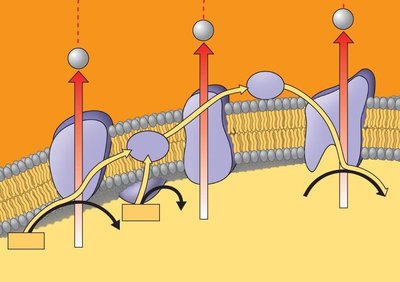
Oxidative phosphorylation is the final stage of cellular respiration, where most ATP is produced. It involves the electron transport chain (ETC) and chemiosmosis.
NADH and FADH2 donate electrons to the ETC, which are passed through a series of protein complexes in the inner mitochondrial membrane.
The energy released pumps protons (H+) into the intermembrane space, creating a proton gradient.
ATP synthase uses the flow of protons back into the matrix to synthesize ATP from ADP and inorganic phosphate (chemiosmosis).
ATP Yield from Cellular Respiration
Cellular respiration of one glucose molecule typically yields about 32 ATP molecules. The majority of ATP is produced during oxidative phosphorylation.
Glycolysis: 2 ATP
Citric Acid Cycle: 2 ATP
Oxidative Phosphorylation: ~28 ATP
About 34% of the energy in glucose is transferred to ATP; the rest is lost as heat.
Anaerobic Respiration and Fermentation
When oxygen is not available, cells can generate ATP through anaerobic respiration or fermentation.
Anaerobic respiration: Uses an electron transport chain with a final electron acceptor other than oxygen (e.g., sulfate).
Fermentation: Glycolysis followed by reactions that regenerate NAD+ from NADH, allowing glycolysis to continue.
Fermentation produces only 2 ATP per glucose, compared to 32 ATP in aerobic respiration.
Types of Fermentation
Alcohol fermentation: Pyruvate is converted to ethanol and CO2; used by yeast in brewing, winemaking, and baking.
Lactic acid fermentation: Pyruvate is reduced to lactate; used by some bacteria, fungi, and animal muscle cells during intense exercise.


Regulation of Cellular Respiration
Cellular respiration is tightly regulated by feedback mechanisms. If ATP levels are high, respiration slows down; if ATP is low, respiration speeds up. This regulation occurs mainly through the control of key enzymes in the metabolic pathways.
Summary Table: Comparison of Aerobic Respiration, Anaerobic Respiration, and Fermentation
Process | Final Electron Acceptor | ATP Yield (per glucose) | Location |
|---|---|---|---|
Aerobic Respiration | O2 | ~32 | Cytosol & Mitochondria |
Anaerobic Respiration | Other than O2 (e.g., sulfate) | Varies (less than aerobic) | Cytosol & Prokaryotic Membrane |
Fermentation | Organic molecule (e.g., pyruvate, acetaldehyde) | 2 | Cytosol |
Key Terms and Concepts
ATP (adenosine triphosphate): Main energy carrier in cells.
Glycolysis: First stage of cellular respiration; splits glucose into pyruvate.
Citric Acid Cycle (Krebs Cycle): Completes the breakdown of glucose derivatives, producing electron carriers.
Oxidative Phosphorylation: Produces most ATP using the electron transport chain and chemiosmosis.
Fermentation: Anaerobic process that allows glycolysis to continue by regenerating NAD+.
Redox Reaction: Chemical reaction involving the transfer of electrons.
NAD+/NADH: Electron carrier involved in redox reactions.
