 Indietro
Cellular Respiration: The Power Cycles of Life
Guida di studio - Note intelligenti
 Appunti personalizzati basati sui tuoi materiali, ampliati con definizioni chiave, esempi e contesto.
Cellular Respiration: The Power Cycles of Life
Introduction to Cellular Respiration
Cellular respiration is a fundamental process by which organisms convert organic molecules into usable energy, primarily in the form of ATP. This process is essential for all eukaryotic cells, including plants, animals, fungi, and protists.

How Organisms Obtain Carbon and Energy
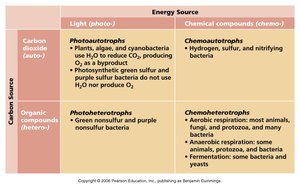
Classification of Organisms by Energy and Carbon Source
Organisms are classified based on their sources of carbon and energy. These classifications help explain how life adapts to various environments and how energy flows through ecosystems.
Carbon Source | Energy Source | Type | Examples |
|---|---|---|---|
CO2 (autotroph) | Light (photo-) | Photoautotrophs | Plants, algae, cyanobacteria |
CO2 (autotroph) | Chemical compounds (chemo-) | Chemoautotrophs | Hydrogen, sulfur, nitrifying bacteria |
Organic compounds (heterotroph) | Light (photo-) | Photoheterotrophs | Green nonsulfur and purple nonsulfur bacteria |
Organic compounds (heterotroph) | Chemical compounds (chemo-) | Chemoheterotrophs | Most animals, fungi, protozoa, many bacteria |
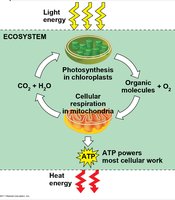
Circle of Life: Cell Respiration and Photosynthesis
Energy Flow in Ecosystems
Energy enters ecosystems as sunlight and leaves as heat. Photosynthesis generates oxygen and organic molecules, which are then used in cellular respiration to produce ATP. This cycle is crucial for sustaining life.
Photosynthesis: Converts CO2 and H2O into organic molecules and O2.
Cellular Respiration: Uses organic molecules and O2 to produce ATP, CO2, and H2O.
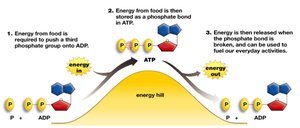
ATP: Powers most cellular work.
Overview of Cellular Respiration
Types of Cellular Respiration
Cellular respiration is a catabolic, exergonic pathway that breaks down organic molecules to release energy. It can be aerobic (using O2) or anaerobic (using other compounds).
Aerobic Respiration: Consumes organic molecules and O2, yielding ATP.
Anaerobic Respiration: Uses compounds other than O2 as electron acceptors.
Fermentation: Partial degradation of sugars without O2.
General Equation for Aerobic Cellular Respiration
The overall reaction for aerobic cellular respiration is:
Cellular Respiration in Eukaryotic Cells
Cell Types Undergoing Respiration
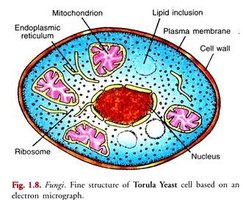
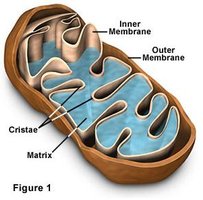
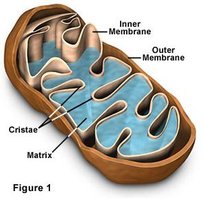
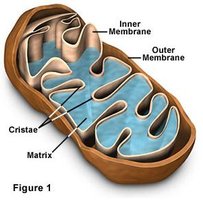
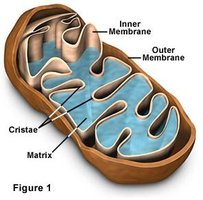
All eukaryotic cells, including plant, animal, and fungal cells, undergo cellular respiration. The mitochondria are the primary site for this process.
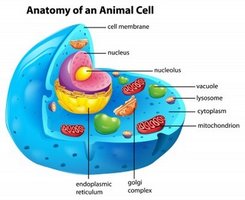
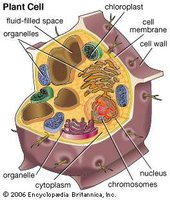
Energy Transfer: Electrons in Cellular Respiration
Role of Electrons
Electrons are shuttled between molecules to transfer energy. The transfer of electrons releases energy stored in organic molecules, which is used to synthesize ATP.
Valence Shells and Excited Electrons
Electrons occupy specific energy levels (shells) around the nucleus. Excited electrons can move to higher shells and release energy when returning to lower shells.
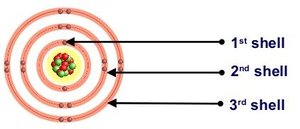
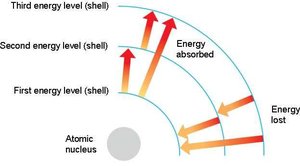
Redox Reactions in Cellular Respiration
Reduction and Oxidation (RedOx)
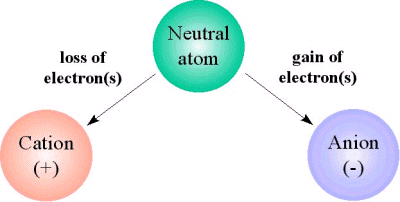
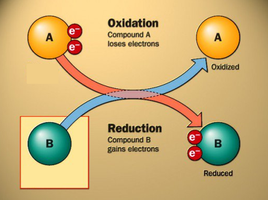
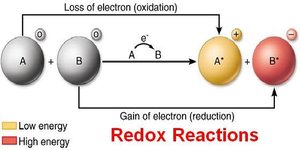
Redox reactions involve the transfer of electrons between molecules. Oxidation is the loss of electrons (increase in charge), while reduction is the gain of electrons (decrease in charge).
Oxidation: Loss of electrons, molecule becomes more positive.
Reduction: Gain of electrons, molecule becomes more negative.
Electron Carriers: NADH and FADH2
NADH
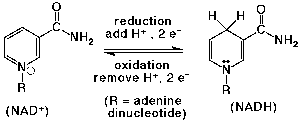
NAD+ is a principal electron carrier. When it gains electrons, it becomes NADH.
FADH2
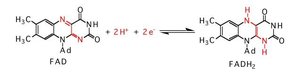
FAD is another electron carrier. When it gains electrons and hydrogen ions, it becomes FADH2.
ATP Formation in Cellular Respiration
Mechanisms of ATP Production
ATP is formed by two main mechanisms:
Substrate-level phosphorylation: Direct transfer of a phosphate group to ADP.
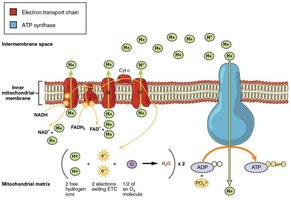
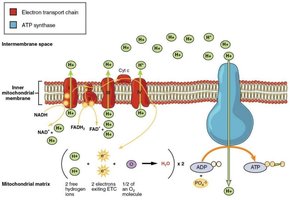
Oxidative phosphorylation: ATP synthesis driven by chemiosmosis and the electron transport chain.
Major Steps of Cellular Respiration
Overview of Steps
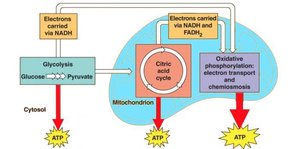
Cellular respiration consists of three major steps:
Glycolysis: Breaks down glucose into pyruvate.
Kreb Cycle (Citric Acid Cycle): Completes glucose breakdown.
Electron Transport Chain: Generates ATP via oxidative phosphorylation.
Step 1: Glycolysis
Process and Location
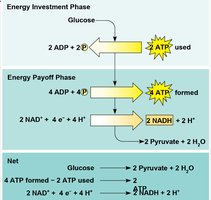
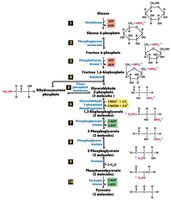
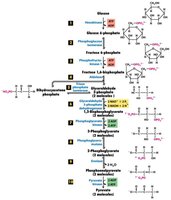
Glycolysis is the splitting of glucose into two molecules of pyruvate. It occurs in the cytoplasm and consists of two phases: energy investment and energy payoff. Glycolysis is anaerobic and does not require oxygen.
Step 1.2: Pyruvate to Acetyl CoA (Pyruvate Decarboxylation)
Process and Location
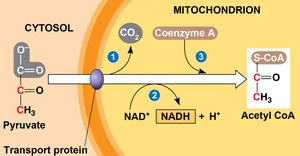
Before entering the Kreb Cycle, pyruvate is converted to acetyl CoA in the mitochondrial matrix. This process releases CO2 and produces NADH.
Step 2: The Kreb Cycle (Citric Acid Cycle)
Process and Location
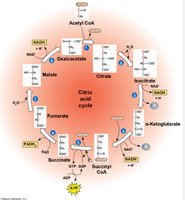
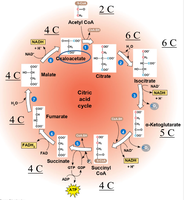
The Kreb Cycle completes the breakdown of pyruvate to CO2 and occurs in the mitochondrial matrix. It produces NADH, FADH2, ATP, and CO2.
Step 3: Electron Transport Chain (ETC) and Oxidative Phosphorylation
Process and Location
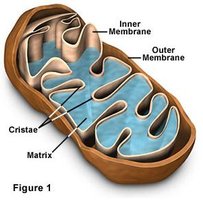
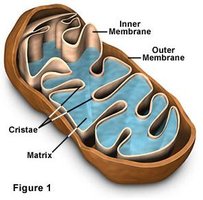
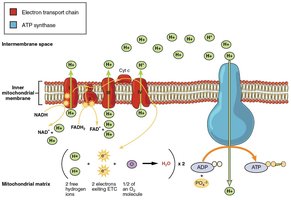
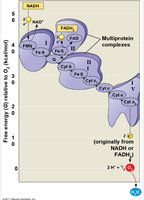
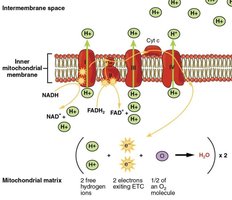
The ETC is located in the inner mitochondrial membrane (cristae). Electrons from NADH and FADH2 are passed through protein complexes, ultimately reducing O2 to H2O. This process creates a hydrogen ion gradient used to synthesize ATP.
Anaerobic Respiration and Fermentation
Alternative Pathways
When oxygen is unavailable, cells use anaerobic respiration or fermentation to produce ATP. Fermentation regenerates NAD+ for glycolysis and produces only 2 ATP per glucose.
Lactic Acid Fermentation: Occurs in bacteria and muscle cells, producing lactic acid.
Alcohol Fermentation: Occurs in yeast and some fish, producing alcohol and CO2.
Regulation of Cellular Respiration
Control Mechanisms
The rate of cellular respiration is regulated by the presence of ATP and the activity of enzymes at key points in the pathway.
Summary Equation
The overall equation for cellular respiration is:
Additional Info
Cellular respiration is a highly conserved process, indicating its ancient evolutionary origins. Glycolysis likely predates the presence of oxygen in Earth's atmosphere.
