 Indietro
Chapter 1: An Introduction to the Science of Life – The Process of Science
Guida di studio - Note intelligenti
 Appunti personalizzati basati sui tuoi materiali, ampliati con definizioni chiave, esempi e contesto.
Methods in Human Biology
Course Introduction and Objectives
This course introduces students to the foundational methods and principles of biology, with a focus on human biology. The first week aims to develop competence in reading and evaluating scientific literature, understanding the scientific method, and interpreting data.
The Process of Science
What is Science?
Science is a systematic approach to understanding the natural world through inquiry, observation, experimentation, and evidence-based reasoning. Biologists use the process of science to study life and answer specific questions about living organisms.
Inquiry: The search for information, evidence, explanations, and answers to specific questions.
Scientific Method: A structured process for investigating questions and testing hypotheses.
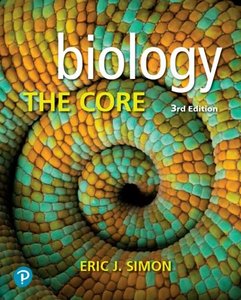
The Scientific Method
The scientific method is a logical process used to investigate observations and answer questions. It is not always linear but involves several key steps:
Observation: Gathering information about phenomena or events.
Question: Formulating a question based on observations.
Hypothesis: Proposing a testable and falsifiable explanation.
Experiment: Designing and conducting tests to collect data.
Results: Analyzing data to determine if they support or refute the hypothesis.
Conclusion: Drawing conclusions and communicating findings.
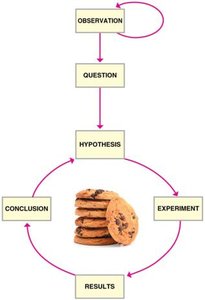
Example: Cookie Height Experiment
To illustrate the scientific method, consider an experiment to determine which ingredient produces taller cookies:
Observation: Some cookies are taller than others.
Question: What ingredient makes the tallest cookies?
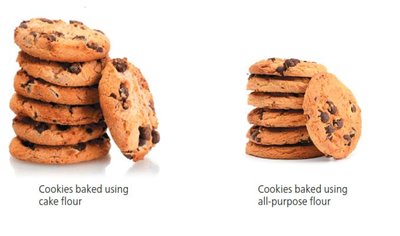
Hypothesis: Switching to cake flour over all-purpose flour will lead to taller cookies.
Experiment: Bake cookies with different flours and measure their heights.
Results: Compare the heights to see if the hypothesis is supported.
Key Elements of Scientific Investigations
Hypotheses and Theories
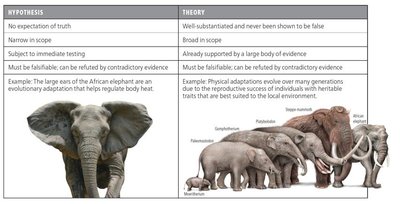
A hypothesis is a proposed explanation that is testable and falsifiable. A scientific theory is a well-substantiated explanation that is broad in scope and supported by a large body of evidence.
Hypothesis: Narrow, subject to immediate testing, must be falsifiable.
Theory: Broad, well-supported, explains many observations, must also be falsifiable.
Hypothesis | Theory |
|---|---|
No expectation of truth; narrow in scope; subject to immediate testing; must be falsifiable. | Well-substantiated; broad in scope; already supported by evidence; must be falsifiable. |
Example: The large ears of the African elephant are an adaptation for heat regulation. | Example: Physical adaptations evolve over generations due to reproductive success of individuals with heritable traits best suited to their environment. |
Facts in Science
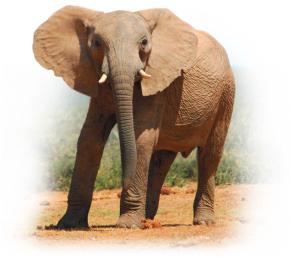
A fact is a verifiable observation considered objectively true based on current evidence. However, science is not just about accumulating facts, but about understanding and explaining patterns in nature.
Variables in Experiments
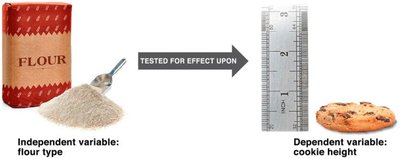
Experiments are designed to test the effect of one variable (independent variable) on another (dependent variable), while controlling other factors.
Independent Variable: The factor manipulated by the researcher (e.g., type of flour).
Dependent Variable: The response measured (e.g., cookie height).
Control Group: Provides a baseline for comparison; may receive no treatment (negative control) or a standard treatment (positive control).
Reducing Bias in Experiments
To ensure objectivity, experiments may be conducted blind (participants do not know which group they are in) or double-blind (neither participants nor experimenters know group assignments). The placebo effect occurs when participants experience changes simply because they believe they are receiving treatment.
Types of Scientific Studies
Controlled Experiments
Controlled experiments manipulate one variable to test its effect, using control and experimental groups. These are the gold standard for establishing cause and effect.
Observational Studies
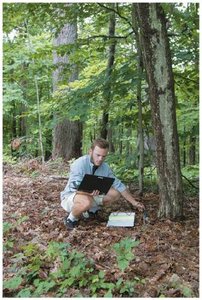
Observational studies collect data without manipulation, often used in ecology or human health when experiments are impractical or unethical.
Epidemiological Studies
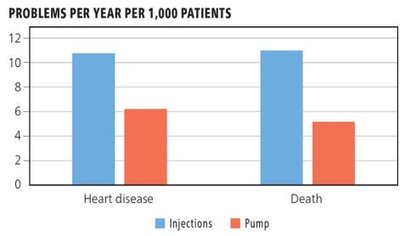
Epidemiology involves long-term observational studies to measure links between lifestyle and health outcomes in large populations.
Clinical Trials
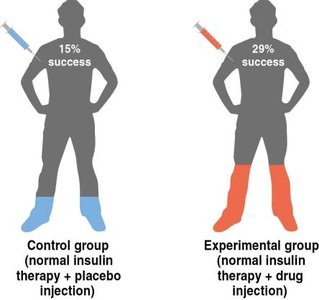
Clinical trials are controlled experiments involving humans, with subjects randomly assigned to experimental or control groups. The control group receives a placebo.
Hypothesis Testing: Case Studies
Vitamin C and Cold Prevention
Example experiment: Testing whether vitamin C intake reduces susceptibility to illness. The independent variable is vitamin C intake; the dependent variable is illness susceptibility.
Echinacea Tea Experiment
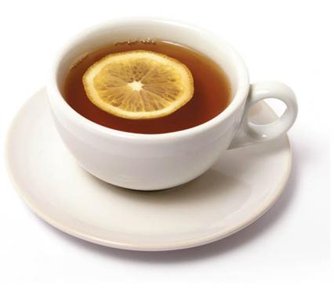
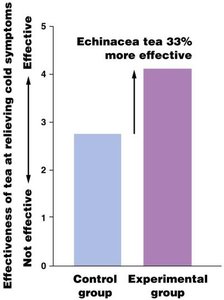
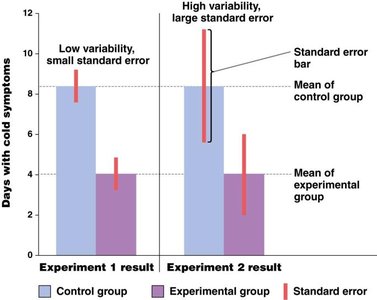
Hypothesis: Drinking echinacea tea relieves cold symptoms. The experiment compares a control group (placebo tea) and an experimental group (echinacea tea).
Control Group | Experimental Group |
|---|---|
Early cold symptoms, sought treatment, received placebo tea | Early cold symptoms, sought treatment, received echinacea tea |
Model Systems
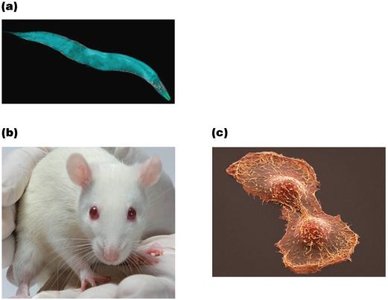
When human experiments are not possible, scientists use model systems such as bacteria, nematodes, rodents, or human cells to test hypotheses.
Understanding Statistics in Biology
Sampling Error
Sampling error arises when a sample does not accurately represent the population. Statistical analysis helps determine if observed differences are meaningful or due to chance.
Communicating Data
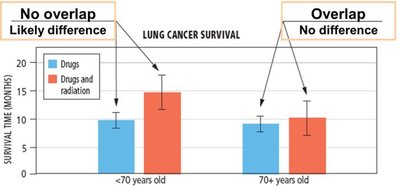
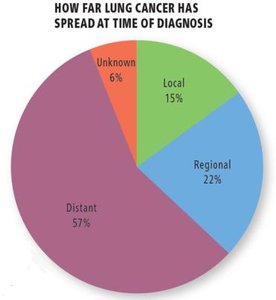
Scientists use tables and graphs to organize, summarize, and communicate data. Common graph types include:
Bar Graphs: Compare categories; error bars indicate variability.
Line Graphs: Show changes over time or continuous data.
Pie Charts: Display proportions or percentages.
Summary Table: Types of Scientific Studies
Type of Study | Description | Example |
|---|---|---|
Controlled Experiment | Manipulates one variable, uses control and experimental groups | Echinacea tea experiment |
Observational Study | Collects data without manipulation | Ecological field study |
Epidemiological Study | Long-term observation of health outcomes in populations | Heart disease rates in insulin pump vs. injection users |
Clinical Trial | Controlled experiment with human subjects, uses placebo | Drug efficacy trial |
Evaluating Scientific Information
Critical evaluation of scientific literature involves examining the authors, their affiliations, the publishing journal, and the peer review process. Reliable scientific information is based on peer-reviewed, reproducible research.
Key Terms
Hypothesis: A testable, falsifiable explanation for an observation.
Theory: A broad, well-supported explanation for a set of observations.
Fact: A verifiable observation considered objectively true.
Independent Variable: The factor manipulated in an experiment.
Dependent Variable: The measured response in an experiment.
Control Group: The group not exposed to the experimental treatment.
Placebo: An inactive treatment used as a control in clinical trials.
Model System: Non-human organisms used to study biological processes.
Sampling Error: The effect of chance variation in sample selection.
