 Indietro
Chapter 1: An Introduction to the Science of Life – Methods in Biology
Guida di studio - Note intelligenti
 Appunti personalizzati basati sui tuoi materiali, ampliati con definizioni chiave, esempi e contesto.
Methods in Biology
The Process of Science
The scientific method is a systematic approach used by biologists to investigate questions about the natural world. It involves making observations, forming hypotheses, conducting experiments, and analyzing data to draw conclusions. This process is fundamental to all biological research and ensures that findings are objective and reproducible.
Observation: Gathering information about phenomena or events.
Question: Identifying a specific question based on observations.
Hypothesis: Proposing a testable explanation for the observed phenomenon.
Experiment: Designing and conducting tests to evaluate the hypothesis.
Results: Collecting and analyzing data from experiments.
Conclusion: Interpreting results to support or refute the hypothesis.
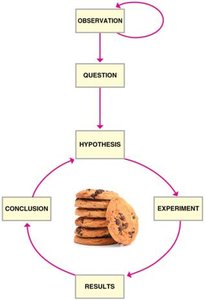
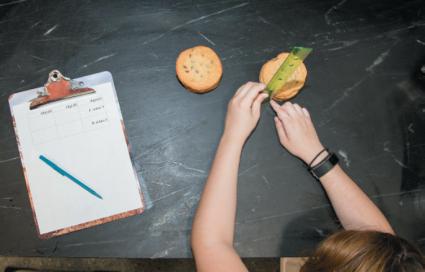
Example: Investigating which ingredient produces taller cookies by comparing recipes using cake flour versus all-purpose flour.
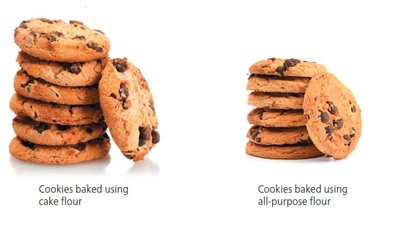
Additional info: The scientific method is iterative; conclusions may lead to new questions and further investigation.
Exploration, Testing, Communication, and Outcomes
The process of science involves several interacting phases: exploration, testing, communication, and outcomes. Scientists observe nature, ask questions, read scientific literature, and seek information. They then form hypotheses, gather data, analyze results, and communicate findings to build knowledge and benefit society.
Exploration: Observing and questioning the natural world.
Testing: Conducting experiments and collecting data.
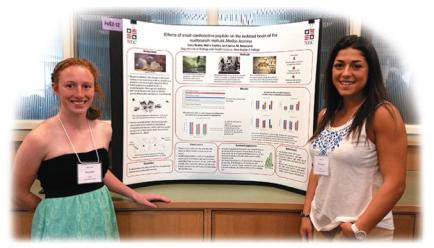
Communication: Sharing results through publications and presentations.
Outcomes: Building knowledge, developing new technologies, and informing policies.
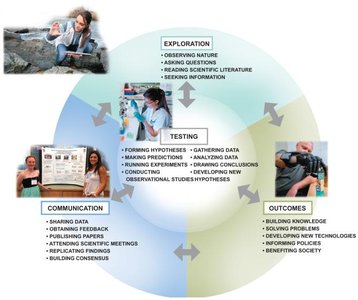
Hypothesis Testing
A hypothesis is a proposed explanation that can be tested and potentially falsified. Good hypotheses are both testable and falsifiable, meaning they can be supported or refuted by evidence. Experiments are used when conditions can be controlled, while observational studies are used when manipulation is not possible.
Testable: Can be evaluated through experimentation or observation.
Falsifiable: Can be disproven by evidence.
Experimental studies: Manipulate variables to test hypotheses.
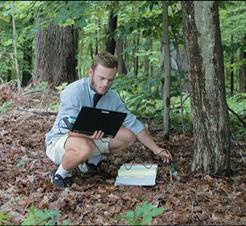
Observational studies: Collect data without manipulation, often used in ecology and human health.

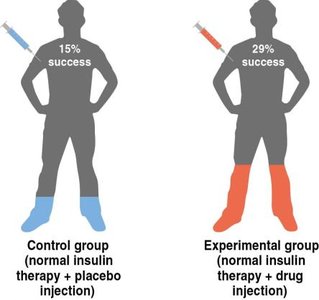
Example: Testing whether drinking echinacea tea relieves cold symptoms by comparing an experimental group (receiving echinacea tea) to a control group (receiving placebo tea).

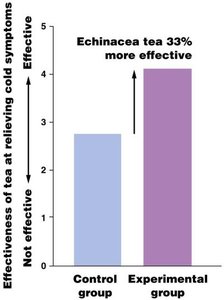
Variables in Experiments
Experiments involve manipulating independent variables and measuring dependent variables. The independent variable is the factor being tested, while the dependent variable is the outcome measured.
Independent variable: The factor manipulated by the researcher (e.g., type of flour, vitamin C intake).
Dependent variable: The response measured (e.g., cookie height, susceptibility to illness).
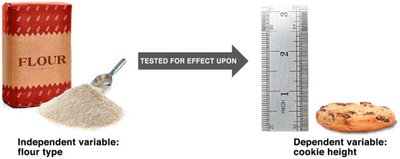
Control Groups and Experimental Design
Control groups are essential for establishing baselines in experiments. Negative controls expect no change, while positive controls expect a change. Blind and double-blind experiments help reduce bias, and the placebo effect can influence outcomes.
Negative control: No change expected.
Positive control: Change expected.
Blind experiment: Participants do not know which group they are in.
Double-blind experiment: Both participants and experimenters are unaware of group assignments.
Placebo effect: Improvement due to belief in treatment, not the treatment itself.

Scientific Hypotheses vs. Scientific Theories
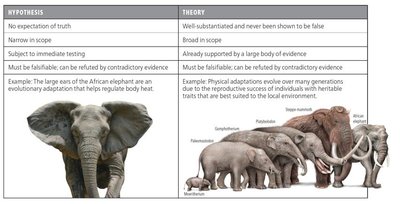
Scientific hypotheses are specific, testable explanations for observations. Scientific theories are broad, well-substantiated explanations supported by extensive evidence. Theories unify many observations and are not "just a theory" in the everyday sense.
Hypothesis: Narrow in scope, subject to immediate testing, must be falsifiable.
Theory: Broad in scope, supported by a large body of evidence, must be falsifiable.
Hypothesis | Theory |
|---|---|
No expectation of truth; narrow in scope; subject to immediate testing; must be falsifiable. | Well-substantiated; broad in scope; already supported by evidence; must be falsifiable. |
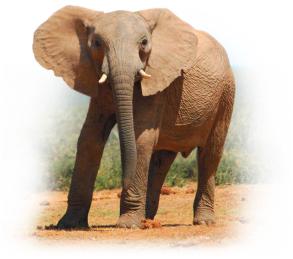
Example: The large ears of the African elephant are an adaptation for heat regulation. | Example: Physical adaptations evolve over generations due to reproductive success and heritable traits. |
Facts in Science
A scientific fact is a direct and repeatable observation about the natural world. Facts and repeatable experimental results are prerequisites for science, but accumulating facts is not the primary goal; science aims to explain and understand phenomena.
Fact: Objectively true based on current evidence.
Example: Elephants are the largest land animals.
Understanding Statistics in Biology
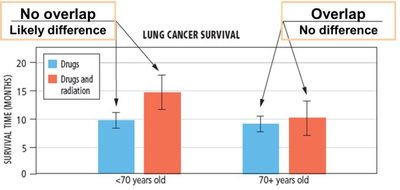
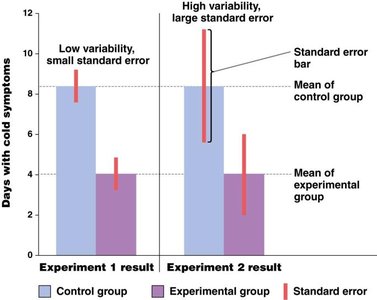
Statistics are used to analyze and interpret data from experiments. Sampling error can affect results, and error bars on graphs indicate variability and the likelihood of meaningful differences.
Sampling error: Variation due to random chance in sample selection.
Error bars: Indicate variability and standard error in data.
Communicating Scientific Data
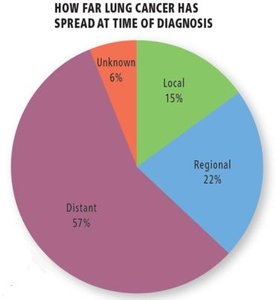
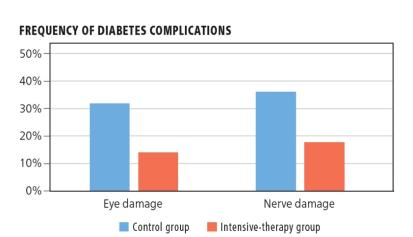
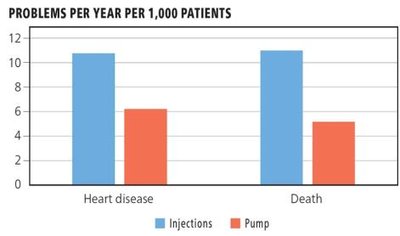
Scientists use tables, bar graphs, line graphs, and pie charts to organize and visually display data. These tools help summarize and compare information, making it easier to interpret results and communicate findings.
Bar graphs: Compare categories of data.
Line graphs: Display data that changes continuously.
Pie charts: Convey numerical proportions or percentages.
Types of Scientific Studies
Biologists use different types of studies depending on the research question. Controlled experiments test hypotheses by manipulating variables, while observational studies collect data without manipulation. Epidemiological studies measure links between lifestyle and health, and clinical trials use humans to test treatments.
Controlled experiments: Manipulate variables to test hypotheses.
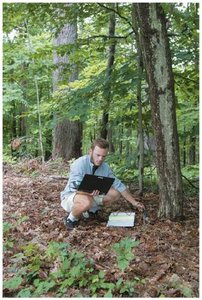
Observational studies: Collect data in the field or for ethical reasons.
Epidemiological studies: Measure health outcomes over time.
Clinical trials: Randomly assign subjects to experimental or control groups.
Model Systems in Biology
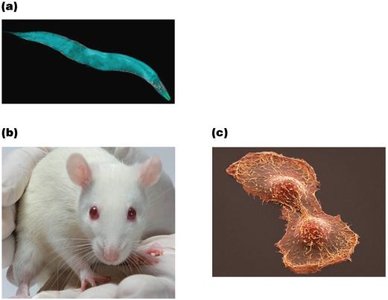
Model systems are used to avoid unethical or impractical tests on humans. Common model systems include bacteria, nematodes, mammals (rodents, dogs, pigs), and human cells.
Bacteria: Used for genetic and molecular studies.
Nematodes: Used for developmental and genetic research.
Mammals: Used for physiological and medical studies.
Evaluating Scientific Information
Critical evaluation of scientific information involves understanding the source, authorship, and peer review process. Reliable scientific information is published in reputable journals and supported by evidence.
Source: Where the article is published.
Authorship: Who conducted the study.
Peer review: Independent evaluation by experts.
Additional info: Students should develop skills to read and evaluate scientific literature critically.
