 Indietro
Chapter 1: Evolution, the Themes of Biology, and Scientific Inquiry – Study Notes
Guida di studio - Note intelligenti
 Appunti personalizzati basati sui tuoi materiali, ampliati con definizioni chiave, esempi e contesto.
Themes in the Study of Life
Introduction to Biology
Biology is the scientific study of life, encompassing the diversity and complexity of living organisms. The discipline explores what living things do and the principles that govern life. Life is recognized by a set of properties that distinguish living organisms from nonliving matter.
Definition: Biology derives from 'bio' (life) and '-logy' (study).
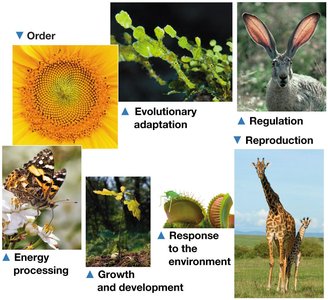
Key Properties of Life: Order, Evolutionary adaptation, Regulation, Reproduction, Response to environment, Growth & development, Energy processing.
Example: Sunflowers exhibit order, jackrabbits regulate temperature, Venus flytraps respond to stimuli, butterflies process energy, and giraffes reproduce.
The Biological Hierarchy and Emergent Properties
Life is organized into a hierarchy of levels, from atoms to the biosphere. Emergent properties arise from the arrangement and interaction of parts within a system, making the whole greater than the sum of its parts.
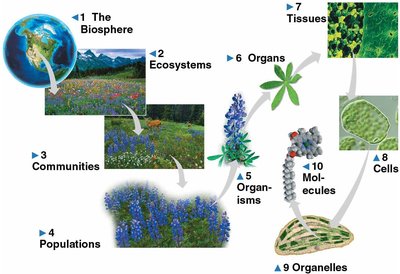
Levels of Organization: Atom, Molecule, Organelle, Cell, Tissue, Organ, Organism, Population, Community, Ecosystem, Biosphere.
Emergent Properties: New characteristics appear at each level due to complex interactions.
Example: A functioning bicycle emerges only when all parts are correctly assembled.


Levels of Biological Organization
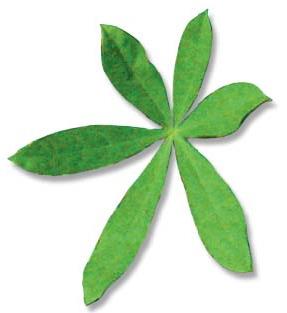
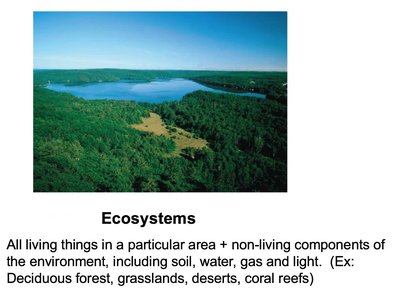
Each level of biological organization is defined by its structure and function. The biosphere encompasses all ecosystems, which include communities, populations, organisms, organs, tissues, cells, organelles, molecules, and atoms.
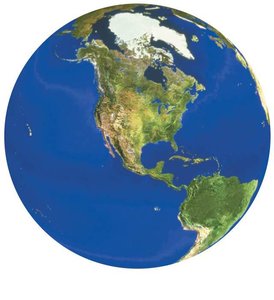
Biosphere: All life and ecosystems on Earth.
Ecosystem: Living and nonliving components in a specific area.
Community: All populations in an ecosystem.
Population: Individuals of a species in a defined area.
Organism: Individual living entity.
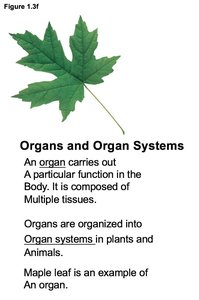
Organ: Structure composed of tissues performing specific functions.
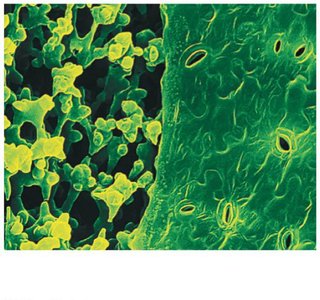
Tissue: Group of cells with a specialized function.
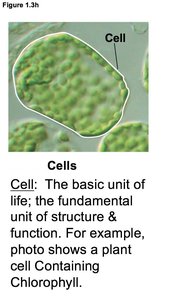
Cell: Basic unit of life.
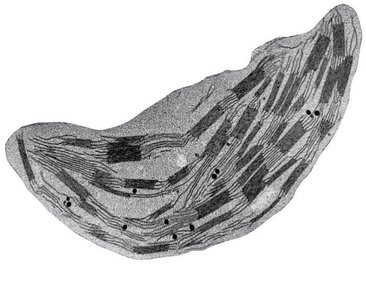
Organelle: Functional component within a cell.
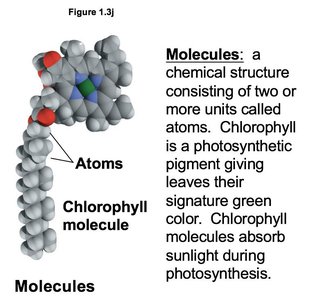
Molecule: Chemical structure consisting of atoms.
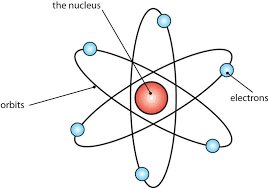
Atom: Smallest unit of matter.


Core Themes of Biology
Theme 1: New Properties Emerge at Each Level
Emergent properties are observed as complexity increases in biological systems. These properties are not present in the individual components but arise from their interactions.
Example: Life is an emergent property; a bicycle only functions when all parts are assembled.
Theme 2: Organisms Interact with Other Organisms and the Environment
Organisms interact with both living and nonliving components of their environment, affecting and being affected by these interactions.
Example: Trees absorb water and minerals, release oxygen, and contribute to soil formation.
Theme 3: Life Requires Energy Transfer and Transformation
Living organisms require energy to perform activities such as movement, growth, and reproduction. Energy is transformed from one form to another and flows through ecosystems.
Energy Flow: Light energy is converted to chemical energy, then to kinetic and thermal energy.
Example: Hummingbirds use anatomical adaptations to feed on nectar and fly.
Theme 4: Structure and Function Are Correlated at All Levels
The structure of biological entities is closely related to their function. Analyzing structure provides clues to function.
Example: Bird wings are adapted for flight; leaves are thin and flat to maximize light capture.
Theme 5: The Cell Is the Basic Unit of Structure and Function
The cell is the fundamental unit capable of performing all activities required for life. Cells are enclosed by membranes and use DNA as genetic information.
Eukaryotic Cells: Have membrane-enclosed organelles, including a nucleus.
Prokaryotic Cells: Lack a nucleus and membrane-bound organelles.
All Cells: Have a plasma membrane and DNA.
Theme 6: Continuity of Life Is Based on Heritable Information in DNA
DNA is the molecule that stores genetic information, enabling inheritance and controlling development and maintenance. Genes are sequences of DNA that code for proteins.
DNA Structure: Double helix composed of nucleotides (adenine, thymine, cytosine, guanine).
Gene Expression: DNA is transcribed into RNA, which is translated into protein.
Genomics and Proteomics
Genomics is the study of sets of genes, while proteomics focuses on sets of proteins. High-throughput technology and bioinformatics are essential for analyzing large volumes of genetic data.
Example: Human Genome Project sequenced the entire human genome.
Theme 7: Feedback Mechanisms Allow Self-Regulation
Biological systems use feedback mechanisms to regulate internal processes. Positive feedback amplifies changes, while negative feedback counteracts changes to maintain stability.
Positive Feedback: Blood clotting attracts more platelets to seal wounds.
Negative Feedback: Homeostasis maintains stable internal conditions, such as blood glucose regulation.
Theme 8: Evolution – The Overarching Theme of Biology
Evolution is the process of biological change over time, explaining both the unity and diversity of life. It is driven by mutations and adaptations, leading to descent with modification.
Natural Selection: The environment selects for beneficial traits, resulting in adaptive radiation.
Example: Darwin's finches diversified to exploit different habitats.
Unity in Diversity: All organisms share basic characteristics due to common ancestry.
Classification and Taxonomy
Organizing the Diversity of Life
Taxonomy is the science of naming and classifying organisms. The hierarchy includes Domain, Kingdom, Phylum, Class, Order, Family, Genus, and Species.
Three Domains: Archaea, Bacteria, Eukarya.
Example: Felis concolor is the scientific name for the mountain lion.
Mnemonic: "Did King Phillip Come Over For Good Soup?" helps remember the order.
Scientific Inquiry and the Scientific Method
The Scientific Method
The scientific method is a systematic process for answering questions and testing hypotheses. It involves observation, hypothesis formation, experimentation, data collection, analysis, and conclusion.
Hypothesis: An educated guess based on evidence.
Theory: Broad explanation supported by evidence.
Law: Describes observed patterns without explanation.
Reasoning: Inductive (specific to general) and deductive (general to specific).
Experimental Design
Experiments involve independent variables (cause), dependent variables (effect), and control groups. Data can be qualitative (descriptions) or quantitative (measurements).
Example: Testing the effect of sulfur dioxide on plant growth.
Independent Variable: Time or treatment.
Dependent Variable: Plant height.
Summary Tables
Levels of Biological Organization
Level | Description | Example |
|---|---|---|
Biosphere | All life on Earth | Earth |
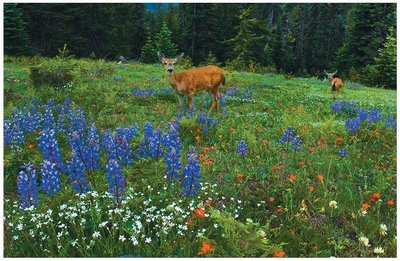
Ecosystem | Living + nonliving components | Mountain meadow |
Community | All populations in an ecosystem | Forest community |
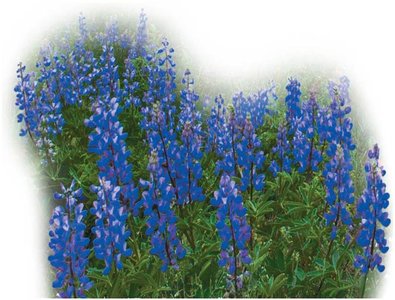
Population | Individuals of a species | Lupine plants |
Organism | Individual living thing | Deer, maple tree |
Organ | Structure with specific function | Leaf |
Tissue | Group of cells | Epidermal tissue |
Cell | Basic unit of life | Plant cell |
Organelle | Functional component | Chloroplast |
Molecule | Chemical structure | Chlorophyll |
Atom | Smallest unit of matter | Carbon atom |
Properties of Life
Property | Description |
|---|---|
Order | Highly ordered structure |
Evolutionary adaptation | Adaptations over generations |
Regulation | Maintaining internal conditions |
Reproduction | Producing offspring |
Response to environment | Reacting to stimuli |
Growth & development | Controlled by genes |
Energy processing | Obtaining and using energy |
Practice Questions
What do all living organisms on a campus constitute? Answer: Community
Which statement best distinguishes a hypothesis from a theory? Answer: Hypotheses are narrow in scope; theories have broad explanatory power.
