 Indietro
Chapter 1: Evolution, the Themes of Biology, and Scientific Inquiry – Study Notes
Guida di studio - Note intelligenti
 Appunti personalizzati basati sui tuoi materiali, ampliati con definizioni chiave, esempi e contesto.
Introduction to Biology
What is Biology?
Biology is the scientific study of life, encompassing a vast range of topics from molecular mechanisms to the interactions of organisms within ecosystems. Life is recognized by a set of characteristics and processes that distinguish living things from nonliving matter.
Scope of Biology: Biology covers all aspects of living organisms, including their structure, function, growth, origin, evolution, and distribution.
Properties of Life: Living things exhibit order, evolutionary adaptation, regulation, energy processing, growth and development, response to the environment, and reproduction.
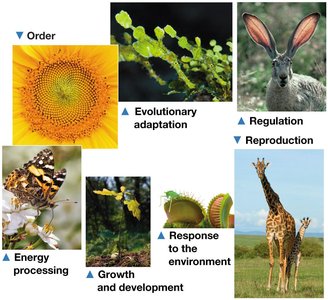
Unifying Themes in Biology
Major Themes
Biology is unified by several major themes that help organize and explain the diversity and complexity of life:
Organization: Life is structured in a hierarchical manner, from molecules to the biosphere.
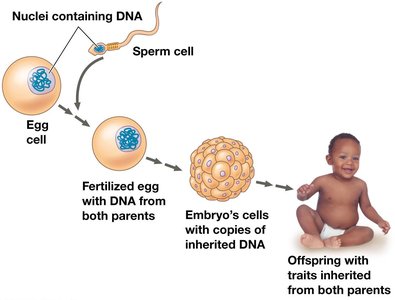
Information: Genetic information is stored and transmitted through DNA.
Energy and Matter: Life requires the transfer and transformation of energy and matter.
Interactions: Organisms interact with each other and their environment.
Evolution: Evolution explains the unity and diversity of life.
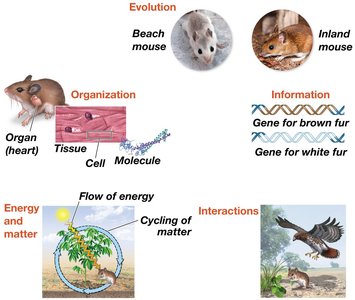
Levels of Biological Organization
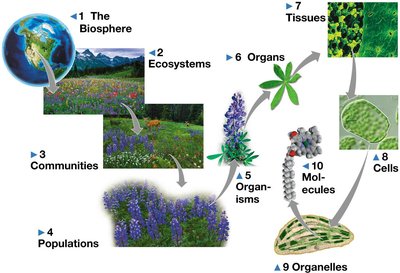
Life can be studied at different levels, each with emergent properties that arise from the arrangement and interaction of parts within a system.
Biosphere → Ecosystems → Communities → Populations → Organisms → Organs → Tissues → Cells → Organelles → Molecules
Emergent Properties: New properties arise at each level that are not present at the preceding level.
Reductionism: Breaking down complex systems into simpler components for study.
Systems Biology: Analysis of interactions among parts of a biological system.
Structure and Function
There is a close relationship between the structure of biological components and their function. Understanding one often provides insight into the other.
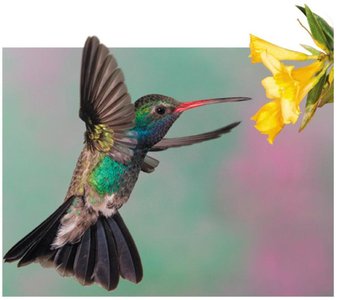
Cell Components
The Cell: Basic Unit of Life
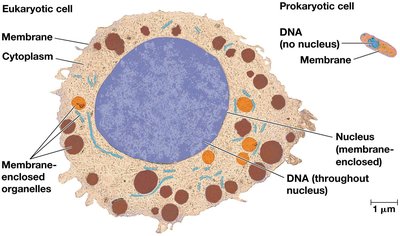
The cell is the smallest unit of organization that can perform all activities required for life. All living organisms are composed of cells, which are classified as either prokaryotic or eukaryotic.
Prokaryotic Cells: Simpler, smaller, lack a nucleus and membrane-bound organelles (e.g., Bacteria, Archaea).
Eukaryotic Cells: Larger, contain a nucleus and membrane-bound organelles (e.g., Plants, Animals, Fungi, Protists).
Information: DNA and Genetic Material
Genetic Information and Gene Expression
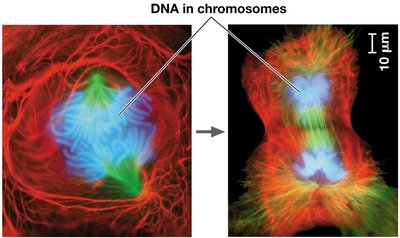
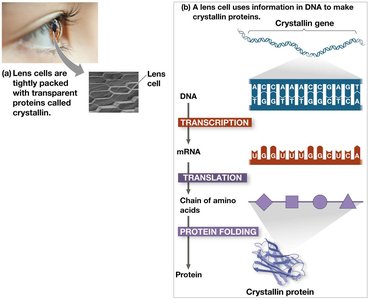
Within cells, chromosomes contain DNA, the molecule that stores genetic information. Genes are units of inheritance that encode instructions for building proteins and other molecules.
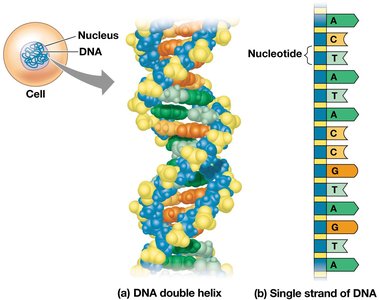
DNA Structure: Double helix composed of four nucleotides (A, T, C, G).
Gene Expression: DNA is transcribed into RNA, which is then translated into protein.
Genome: The complete set of genetic instructions in an organism.
Energy and Metabolism
Energy Flow and Chemical Cycling
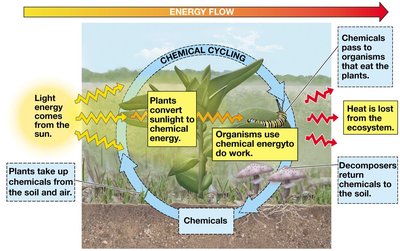
Life requires the transfer and transformation of energy and matter. Energy flows through ecosystems, while chemicals cycle within them.
Producers: Organisms (like plants) that convert sunlight to chemical energy.
Consumers: Organisms that obtain energy by eating other organisms.
Decomposers: Organisms that break down dead matter, returning nutrients to the ecosystem.
Energy Flow: Enters as light, exits as heat.
Chemical Cycling: Elements are recycled within the ecosystem.
Interactions in Biological Systems
Feedback Regulation
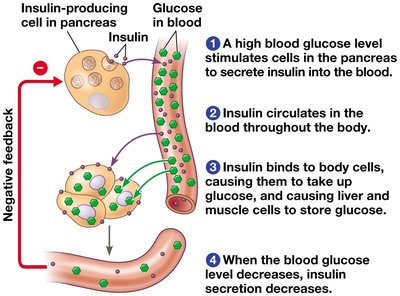
Biological processes are often regulated by feedback mechanisms. Negative feedback reduces the initial stimulus, while positive feedback amplifies it.
Negative Feedback: Maintains homeostasis (e.g., regulation of blood glucose by insulin).
Positive Feedback: Reinforces a process (less common in biology).
Interactions with the Environment
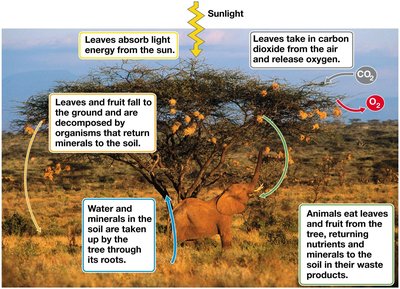
Organisms interact with each other and with physical factors in their environment. These interactions can be beneficial, harmful, or neutral, and they shape the structure and dynamics of ecosystems.
Evolution: The Core Theme of Biology
Evolution and Diversity of Life
Evolution is the process by which living organisms have descended, with modifications, from common ancestors. It explains both the unity and diversity of life.
Natural Selection: Mechanism by which advantageous traits become more common in a population over generations.
Adaptation: Traits that enhance survival and reproduction in a particular environment.
Classification: Life is classified into three domains: Bacteria, Archaea, and Eukarya.
Scientific Inquiry
The Scientific Method
Science is a process of inquiry involving observation, hypothesis formation, experimentation, and analysis. Hypotheses must be testable and falsifiable.
Data: Qualitative (descriptive) or quantitative (numerical).
Inductive Reasoning: Deriving general principles from specific observations.
Deductive Reasoning: Making specific predictions from general principles.
Controlled Experiments: Compare experimental and control groups to test the effect of variables.
Theory: Broader than a hypothesis, supported by a large body of evidence.
Summary Table: Prokaryotic vs. Eukaryotic Cells
Feature | Prokaryotic Cell | Eukaryotic Cell |
|---|---|---|
Nucleus | Absent | Present |
Membrane-bound Organelles | Absent | Present |
Size | Smaller | Larger |
Examples | Bacteria, Archaea | Plants, Animals, Fungi, Protists |
