 Indietro
Chapter 1: Exploring Life – Unifying Themes and the Scientific Method in Biology
Guida di studio - Note intelligenti
 Appunti personalizzati basati sui tuoi materiali, ampliati con definizioni chiave, esempi e contesto.
Exploring Life: The Scientific Method and Unifying Themes in Biology
Hypotheses and Scientific Inquiry
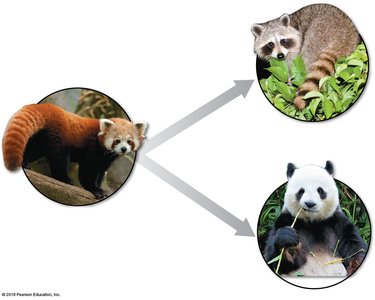
Biologists use the scientific method to test hypotheses about the natural world. A hypothesis is a proposed explanation for an observation, which can be tested through experimentation or further observation. For example, scientists debated whether the red panda should be classified with raccoons or giant pandas based on physical traits and habitat similarities. Recent DNA evidence led to the classification of red pandas in their own family, Ailuridae.
Scientific Theory vs. Hypothesis
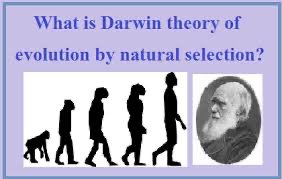
A scientific theory is broader than a hypothesis and is supported by extensive evidence. It explains why or how phenomena occur. For example, the theory of evolution by natural selection explains the diversity and unity of life.
Unifying Themes in Biology
Biology is organized around five unifying themes that help explain the complexity of life:
Evolution
Information
Organization
Energy and Matter
Interactions
These themes provide a framework for understanding biological processes and systems.
Evolution: The Core Theme
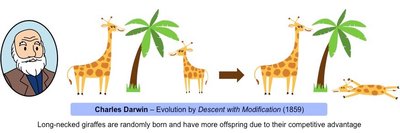
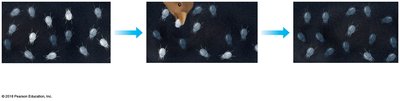
Evolution is the process by which life changes over time, resulting in both unity and diversity among organisms. Charles Darwin synthesized the theory of evolution by natural selection, which acts primarily at the population level. Natural selection is a filtering process where individuals with advantageous traits are more likely to survive and reproduce, increasing the frequency of those traits in the population.
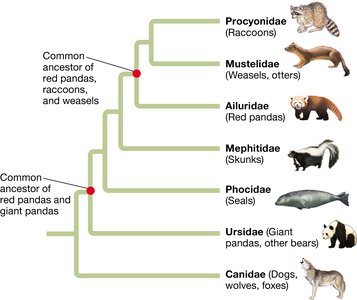
Example: The evolutionary tree shows the relationships among red pandas, raccoons, weasels, and giant pandas, highlighting their distinct lineages.
Information: DNA and the Flow of Genetic Information
Life depends on the flow of information, primarily through DNA. DNA carries hereditary information and directs cellular activities by encoding proteins. The flow of information follows the central dogma: DNA is transcribed into RNA, which is then translated into protein. Information from the environment also regulates gene expression and body processes.
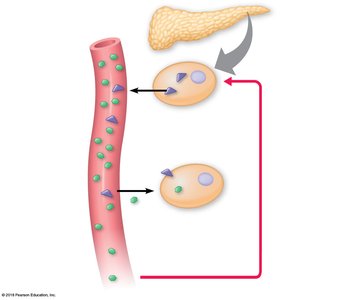
Example: The regulation of blood glucose involves the pancreas releasing insulin in response to high glucose levels, signaling cells to take up glucose and restore normal levels.
Organization: Structure and Function
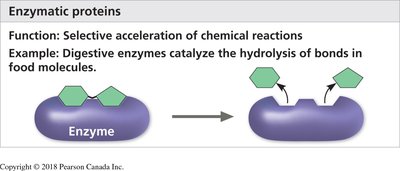
The relationship between structure and function is fundamental in biology. At the molecular level, the shape of a protein determines its function, such as hemoglobin transporting oxygen or enzymes catalyzing reactions. At the cellular level, the structure of nerve cells enables them to transmit impulses efficiently.
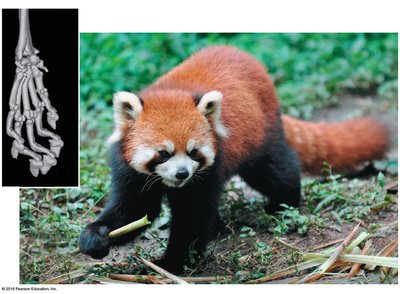
Example: The red panda's "false thumb" is a structural adaptation that allows it to grasp bamboo, demonstrating the link between anatomical structure and ecological function.
Energy and Matter: Transfer and Transformation
Energy flows through ecosystems in one direction, entering as sunlight, converted to chemical energy by producers, transferred to consumers, and exiting as heat. Matter, however, cycles through ecosystems, moving from the atmosphere and soil through producers, consumers, and decomposers, and returning to the environment.
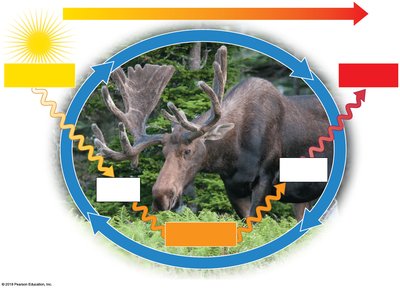

Example: Plants absorb CO2 and minerals, animals consume plants, and decomposers recycle nutrients back to the soil.
Interactions: Systems Biology and Emergent Properties
Biological systems exhibit emergent properties—new characteristics that arise from the interaction of system components. Systems biology models these interactions to understand complex behaviors. For example, the assembly of bicycle parts creates a functioning bike, illustrating how organization leads to emergent properties.
Example: The interaction of cells, tissues, and organs produces functions not present in individual components.
Concept Checks and Practice Questions
Describe seven properties common to all life.
Compare the three domains of life.
Describe the levels of biological organization from molecules to the biosphere.
Define emergent properties and explain their significance.
Distinguish between a hypothesis and a scientific theory.
Explain how DNA determines an organism’s structure and function.
Compare the dynamics of nutrients and energy in an ecosystem.
Explain how systems biology is used to understand biological systems.
Summary Table: Main Themes in Biology
Theme | Description | Example |
|---|---|---|
Evolution | Change in organisms over time, leading to diversity and unity | Natural selection in populations |
Information | Transmission and use of genetic information | DNA to RNA to protein |
Organization | Structure determines function at all levels | Red panda's false thumb for grasping bamboo |
Energy and Matter | Energy flows, matter cycles in ecosystems | Photosynthesis and nutrient recycling |
Interactions | Emergent properties from system interactions | Systems biology modeling |
Key Equations
Central Dogma of Molecular Biology:
Photosynthesis (simplified):
Cellular Respiration (simplified):
Additional info: Academic context was added to clarify the scientific method, the distinction between hypothesis and theory, and the five unifying themes in biology. Examples and equations were provided to reinforce key concepts.
