 Indietro
Chapter 11: How Genes Are Controlled – Study Guide
Guida di studio - Note intelligenti
 Appunti personalizzati basati sui tuoi materiali, ampliati con definizioni chiave, esempi e contesto.
How Genes Are Controlled
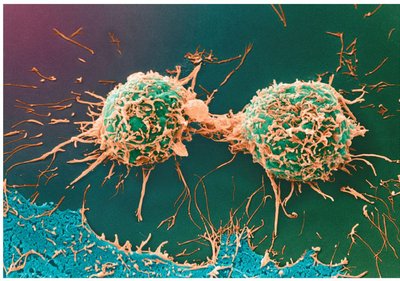
Biology and Society: Breast Cancer and Chemotherapy
Breast cancer is a major health concern, affecting about one in eight women. Early detection and treatment significantly improve survival rates. Understanding gene regulation in cancer cells allows for more personalized and effective therapies.
Gene mutations can lead to malfunctioning proteins, causing cells to become cancerous.
Evaluating mutated genes in tumors helps optimize treatment strategies, such as chemotherapy.
How and Why Genes are Regulated
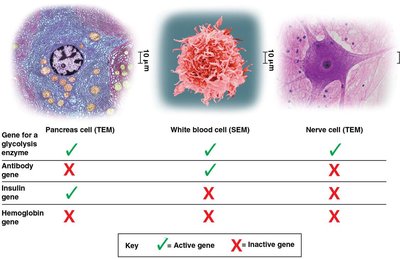
All somatic cells in the human body contain the same DNA, yet they differentiate into specialized cell types through gene regulation. Gene regulation is the process by which certain genes are turned on or off, allowing cells to perform unique functions.
Gene expression refers to the process by which genetic information flows from DNA to proteins.
Specialization of cells is achieved by activating specific genes while others remain inactive.
Gene expression patterns differ among cell types, such as pancreas, white blood, and nerve cells.
Gene Regulation in Bacteria
The lac Operon
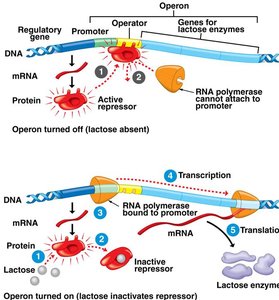
Bacteria regulate gene expression efficiently, often using operons. The lac operon in Escherichia coli is a classic example, controlling the metabolism of lactose.
Operon: A cluster of genes and control sequences that are regulated together.
Promoter: DNA sequence where RNA polymerase binds to initiate transcription.
Operator: Acts as a switch, controlled by a repressor protein.
When lactose is absent, the repressor binds to the operator, blocking transcription.
When lactose is present, it inactivates the repressor, allowing transcription of lactose-metabolizing enzymes.
Gene Regulation in Eukaryotic Cells
The Gene Expression Pipeline
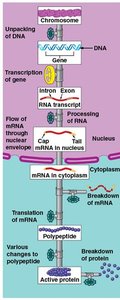
Eukaryotic cells have multiple control points for gene expression, from DNA unpacking to protein breakdown. This complexity allows for precise regulation of cellular functions.
Gene expression can be regulated at transcription, RNA processing, translation, and protein modification stages.
Each stage acts as a potential control point, similar to valves in a pipeline.
Regulation of DNA Packing
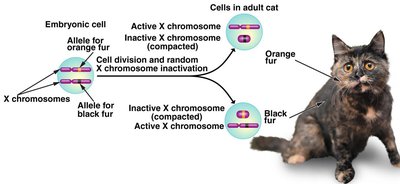
DNA packing can inactivate genes for long periods. In female mammals, X chromosome inactivation is a key example, leading to mosaic expression of X-linked genes.
Random inactivation of one X chromosome in each cell results in varied gene expression.
This phenomenon explains patterns such as the tortoiseshell fur in female cats.
The Initiation of Transcription
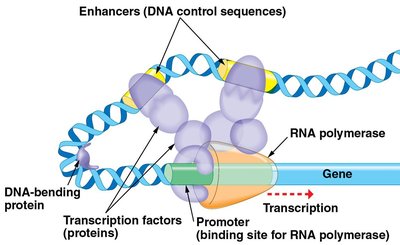
Transcription initiation is the most critical stage for gene regulation. Regulatory proteins, including transcription factors, bind to DNA sequences to control gene activation.
Enhancers: DNA sequences that increase transcription.
Promoter: Binding site for RNA polymerase.
Transcription factors and DNA-bending proteins facilitate RNA polymerase binding.
RNA Processing and Breakdown
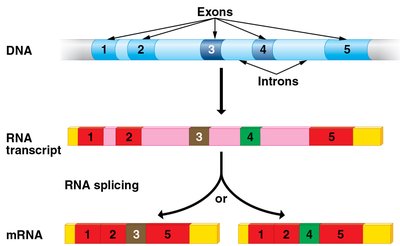
After transcription, RNA transcripts are processed into mature mRNA. Alternative RNA splicing allows a single gene to produce multiple polypeptides.
RNA processing includes addition of a cap and tail, removal of introns, and splicing of exons.
Alternative splicing generates different mRNAs from the same gene.
mRNA stability and breakdown also regulate gene expression.
microRNAs and RNA Interference
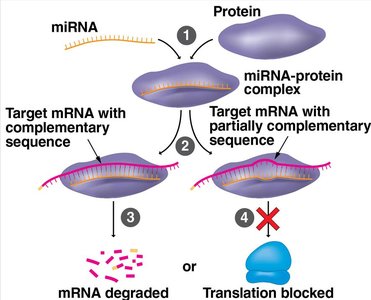
Noncoding RNAs, such as microRNAs (miRNAs) and small interfering RNAs (siRNAs), regulate gene expression by binding to mRNA and blocking translation or promoting degradation.
miRNAs can bind to complementary sequences on mRNA, leading to degradation or inhibition of translation.
RNA interference (RNAi) is a mechanism for gene silencing.
Cell Signaling and Gene Regulation
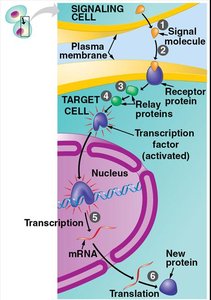
Cells communicate through signaling molecules, such as hormones, which can regulate gene expression in target cells via signal transduction pathways.
Signal molecules bind to receptor proteins, triggering a cascade of molecular changes.
The final response may be activation of transcription in the target cell.
Homeotic Genes
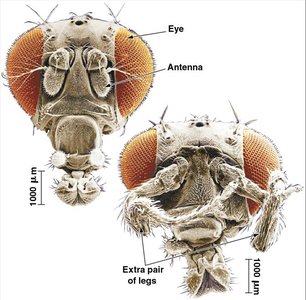
Homeotic genes are master control genes that regulate the development of body parts during embryogenesis. Mutations in these genes can cause dramatic changes in organism structure.
Homeotic genes coordinate the expression of groups of genes.
Mutations can result in abnormal development, such as extra limbs.
Visualizing Gene Expression: DNA Microarrays
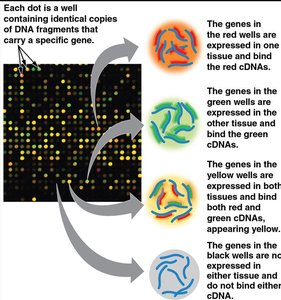
DNA microarrays allow scientists to study the expression of thousands of genes simultaneously. Each well contains DNA fragments from specific genes, and labeled cDNAs reveal which genes are active in different tissues.
Microarrays are used to compare gene expression between samples.
Color-coded wells indicate gene activity in various tissues.
Cloning Plants and Animals
Test-Tube Cloning of Plants
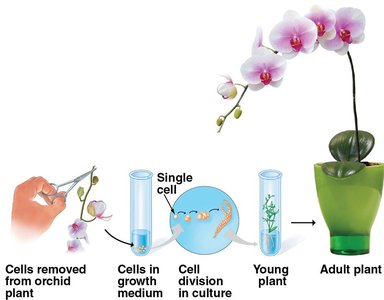
Plant cells retain the genetic potential to regenerate into a whole organism. Cloning is used in agriculture to reproduce plants with desirable traits.
Single plant cells can divide and differentiate into adult plants.
Cloning is essential for reproducing seedless plants and those with specific traits.
Reproductive Cloning of Animals
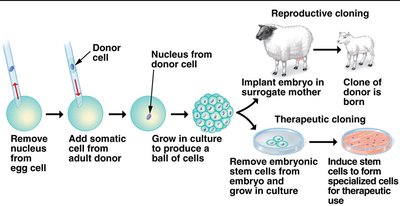
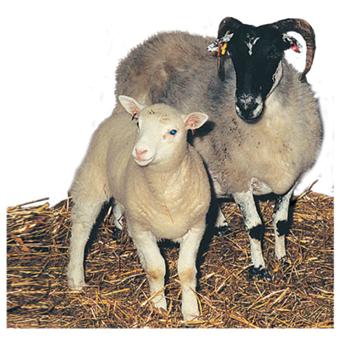
Reproductive cloning involves nuclear transplantation, where the nucleus of an adult cell is inserted into an egg cell. The resulting embryo is implanted into a surrogate mother, producing a clone.
First successful mammal clone was Dolly the sheep in 1996.
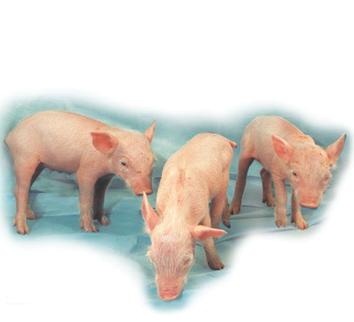
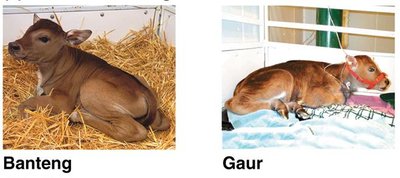
Cloning is used in agriculture, research, and conservation.
Therapeutic Cloning and Stem Cells
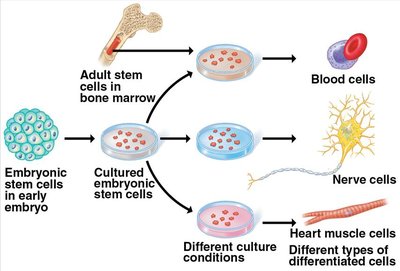
Therapeutic cloning aims to produce embryonic stem cells for medical treatments. These cells can potentially develop into various specialized cell types for tissue repair.
Embryonic stem cells are pluripotent and can divide indefinitely.
Adult stem cells are more limited in differentiation potential but are less ethically controversial.
The Genetic Basis of Cancer
Oncogenes and Tumor-Suppressor Genes
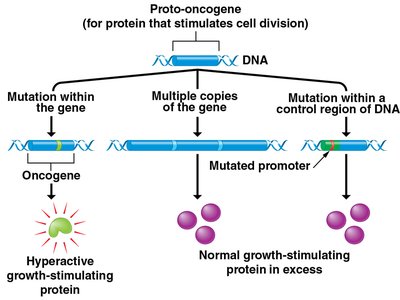
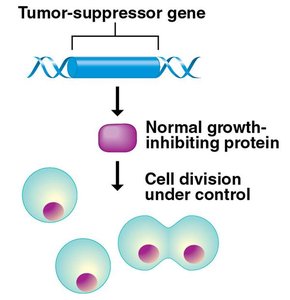
Cancer arises from changes in gene expression that disrupt normal cell growth and division. Oncogenes promote cell division, while tumor-suppressor genes inhibit it.
Proto-oncogenes can become oncogenes through mutations, leading to excessive cell division.
Tumor-suppressor genes prevent uncontrolled growth; mutations in these genes contribute to cancer.
The Progression and Inheritance of Cancer
Cancer development is a gradual process involving multiple mutations. Some cancers are inherited, increasing predisposition to the disease.
Mutations accumulate, converting proto-oncogenes to oncogenes and disabling tumor-suppressor genes.
Inherited mutations in genes such as BRCA1 and BRCA2 increase risk for breast and colorectal cancers.
Cancer Risk and Prevention
Most cancers are caused by environmental carcinogens, such as tobacco and UV radiation. Lifestyle choices, including diet and exposure to carcinogens, significantly affect cancer risk.
High plant fiber, low animal fat, and certain vitamins reduce cancer risk.
Tobacco use is the leading behavioral cause of cancer cases and deaths.
Evolutionary Perspective on Cancer
Cancer progression can be understood through evolutionary principles. Tumor cells undergo variation, selection, and adaptation, making treatment challenging.
Mutations that enhance survival and reproduction of cancer cells are passed to descendants.
Understanding cancer evolution may lead to novel therapies.
