 Indietro
Chapter 27: Bacteria and Archaea – Structure, Function, Diversity, and Roles in the Biosphere
Guida di studio - Note intelligenti
 Appunti personalizzati basati sui tuoi materiali, ampliati con definizioni chiave, esempi e contesto.
Bacteria and Archaea: Overview
Introduction to Prokaryotes
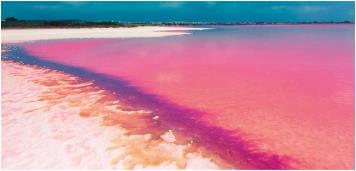
Prokaryotes, which include the domains Bacteria and Archaea, are single-celled organisms that thrive in a wide range of environments, including extreme conditions. They are the most abundant and diverse organisms on Earth, playing essential roles in ecological and evolutionary processes.
Structural and Functional Adaptations of Prokaryotes
Cell Size, Shape, and Organization
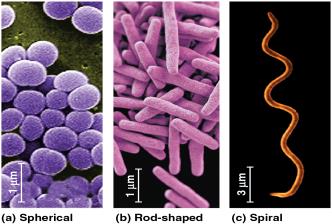
Prokaryotic cells are generally much smaller than eukaryotic cells (0.5–5 µm vs. 10–100 µm). Most are unicellular, though some form colonies. They exhibit three main shapes:
Cocci: Spherical
Bacilli: Rod-shaped
Spirilla: Spiral-shaped
Cell Wall Composition and Gram Staining
The cell wall provides structural support and protection. Its composition is a key feature for classification:
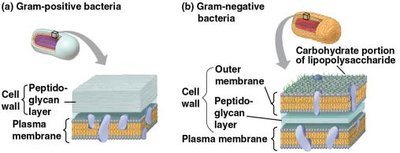
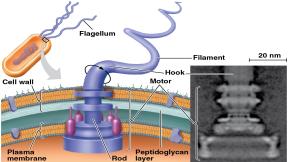
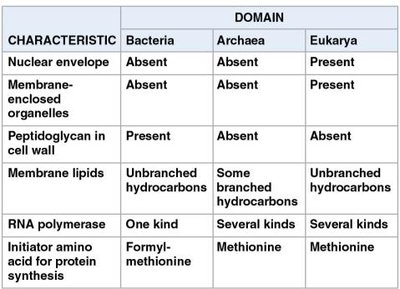
Bacterial cell walls contain peptidoglycan, a polymer of sugars and amino acids.
Archaeal cell walls lack peptidoglycan and instead have various polysaccharides and proteins.
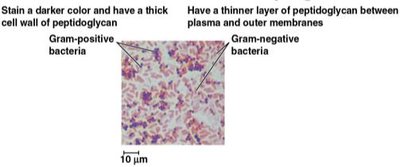
Gram stain differentiates bacteria based on cell wall structure:
Gram-positive: Thick peptidoglycan layer, stains violet, more sensitive to antibiotics.
Gram-negative: Thin peptidoglycan layer, outer membrane with lipopolysaccharides (LPS), stains red, more resistant to antibiotics.
Surface Structures: Capsule, Fimbriae, Pili, and Endospores
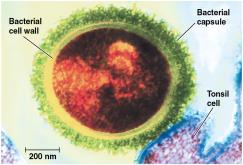
Capsule: A sticky, protective layer outside the cell wall that aids adherence and defense against the immune system.
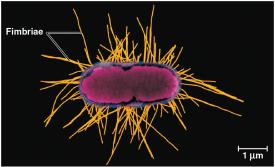
Fimbriae: Hairlike appendages for attachment to surfaces or other cells.
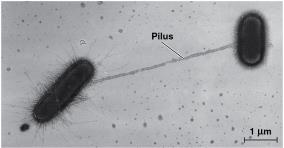
Pili (Sex Pili): Longer than fimbriae, used for DNA transfer between cells (conjugation).
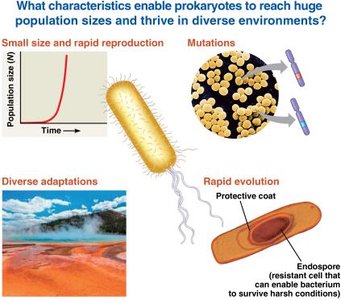
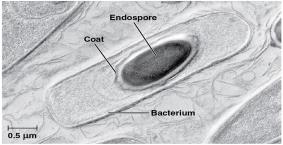
Endospores: Dormant, resistant cells formed under harsh conditions, allowing survival for centuries.
Motility and Flagella
Many prokaryotes move using flagella, which differ structurally from those of eukaryotes. Movement toward or away from stimuli is called taxis (e.g., chemotaxis for chemicals).
Internal Organization and DNA
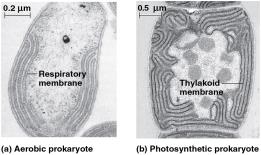
Prokaryotes lack membrane-bound organelles but may have infolded membranes for metabolic functions.
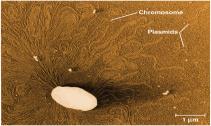
Genetic material is a single circular chromosome located in the nucleoid region; additional small rings of DNA called plasmids may be present.
Genetic Diversity and Reproduction
Binary Fission and Mutation
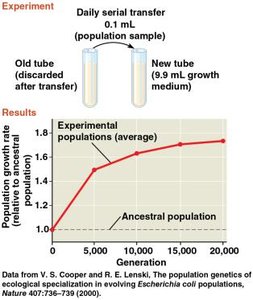
Prokaryotes reproduce rapidly by binary fission, producing genetically identical offspring. However, mutations accumulate quickly due to short generation times, leading to high genetic diversity and rapid evolution.
Genetic Recombination
Genetic diversity is further increased by recombination mechanisms:
Transformation: Uptake of foreign DNA from the environment.
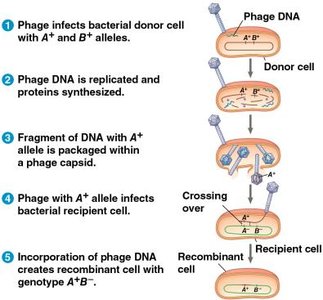
Transduction: Transfer of DNA by bacteriophages (viruses that infect bacteria).
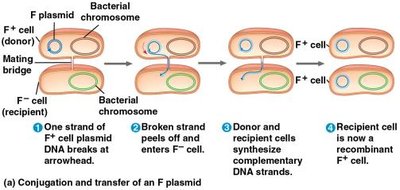
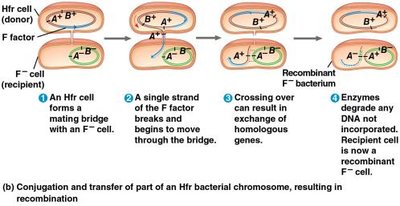
Conjugation: Direct transfer of DNA between cells via a pilus; requires the F factor (fertility factor).
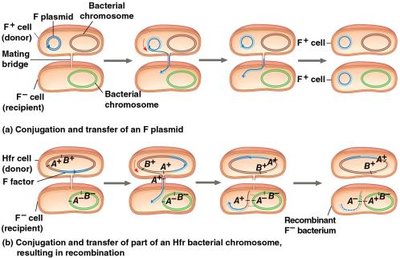
Antibiotic Resistance
Some plasmids, called R plasmids, carry genes for antibiotic resistance and can be rapidly spread through populations by horizontal gene transfer, posing a major challenge in medicine.
Nutritional and Metabolic Diversity
Major Nutritional Modes
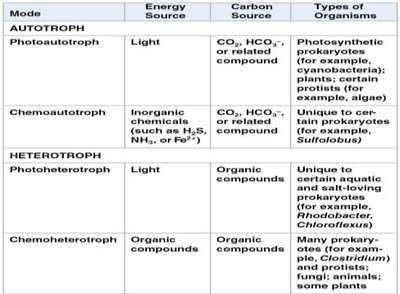
Prokaryotes are classified by how they obtain energy and carbon:
Mode | Energy Source | Carbon Source | Examples |
|---|---|---|---|
Photoautotroph | Light | CO2 or related | Cyanobacteria, plants |
Chemoautotroph | Inorganic chemicals | CO2 or related | Certain prokaryotes |
Photoheterotroph | Light | Organic compounds | Certain prokaryotes |
Chemoheterotroph | Organic compounds | Organic compounds | Many prokaryotes, fungi, animals |
Oxygen and Nitrogen Metabolism
Obligate aerobes: Require oxygen for respiration.
Facultative anaerobes: Can use oxygen or switch to fermentation.
Obligate anaerobes: Poisoned by oxygen; use fermentation or anaerobic respiration.
Nitrogen fixation: Conversion of atmospheric N2 to ammonia (NH3), essential for biosynthesis of amino acids and nucleic acids.
Metabolic Cooperation and Biofilms
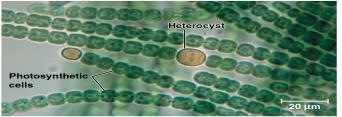
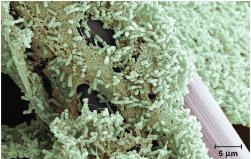
Some prokaryotes cooperate metabolically, forming colonies or biofilms that allow resource sharing and protection. For example, Anabaena forms filaments with specialized cells (heterocysts) for nitrogen fixation.
Diversity and Classification of Prokaryotes
Phylogeny and Major Groups
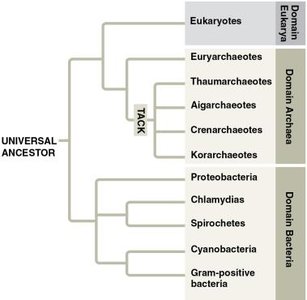
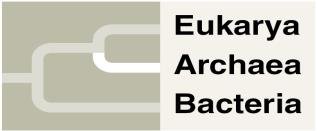
Genomic analysis divides prokaryotes into two domains: Bacteria and Archaea. Each domain contains multiple major clades, with extensive diversity and evidence of horizontal gene transfer.
Major Bacterial Groups
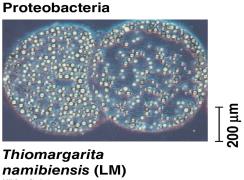
Proteobacteria: Gram-negative, diverse metabolism (e.g., Thiomargarita namibiensis).
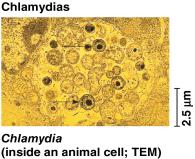
Chlamydias: Animal parasites, lack peptidoglycan (e.g., Chlamydia trachomatis).
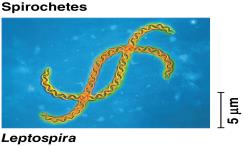
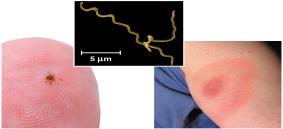
Spirochetes: Helical, motile, some pathogenic (e.g., Borrelia burgdorferi causes Lyme disease).
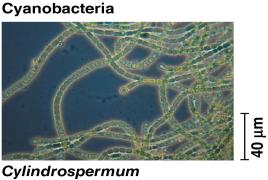
Cyanobacteria: Photoautotrophs, ancestors of chloroplasts.
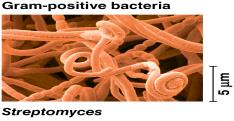
Gram-positive bacteria: Includes soil decomposers and pathogens (e.g., Streptomyces, Bacillus anthracis).
Archaea
Archaea share features with both bacteria and eukaryotes but also have unique traits. Major groups include:
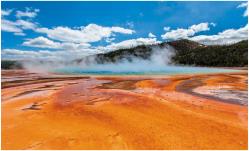
Extremophiles: Live in extreme environments (halophiles, thermophiles).
Methanogens: Produce methane, obligate anaerobes.
TACK supergroup: Includes Thaumarchaeota, Aigarchaeota, Crenarchaeota, Korarchaeota.
Lokiarchaeotes: Recently discovered, closely related to eukaryotes.
Prokaryotes in the Biosphere
Chemical Recycling
Prokaryotes are essential for recycling elements in ecosystems:
Decomposers: Break down dead organic matter, releasing nutrients.
Autotrophs: Fix carbon and produce oxygen.
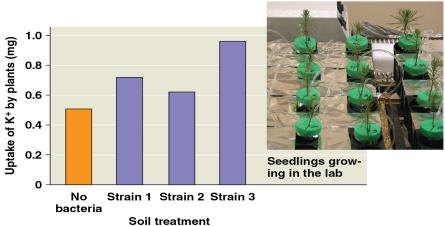
Nitrogen-fixers: Convert atmospheric nitrogen to forms usable by plants.
Ecological Interactions
Symbiosis: Close association between two species (host and symbiont).
Mutualism: Both benefit.
Commensalism: One benefits, the other is unaffected.
Parasitism: One benefits at the expense of the other; pathogens cause disease.
Prokaryotes and Humans
Beneficial Roles
Mutualistic bacteria in the human gut aid digestion and synthesize vitamins.
Prokaryotes are used in food production (e.g., cheese, yogurt, fermentation).
Biotechnology: E. coli in gene cloning, CRISPR-Cas9 for gene editing, production of biodegradable plastics, and bioremediation of pollutants.
Pathogenic Bacteria and Antibiotic Resistance
Pathogenic bacteria cause diseases by releasing exotoxins (secreted proteins) or endotoxins (LPS from Gram-negative bacteria).
Antibiotic resistance is a growing problem due to rapid evolution and horizontal gene transfer.
New antibiotics and alternative therapies are being developed to combat resistant strains.
Key Terms and Concepts
Capsule: Protective outer layer
Fimbriae: Attachment structures
Sex pilus: DNA transfer
Nucleoid: Region containing chromosome
Plasmid: Small, circular DNA
Endospore: Dormant, resistant cell
Photoautotroph: Light and CO2
Chemoautotroph: Inorganic chemicals and CO2
Photoheterotroph: Light and organic compounds
Chemoheterotroph: Organic compounds for both energy and carbon
Obligate aerobe: Requires O2
Facultative anaerobe: With or without O2
Obligate anaerobe: Poisoned by O2
Mutualism: Both benefit
Commensalism: One benefits, other unaffected
Parasitism: One benefits, other harmed
Exotoxin: Secreted protein toxin
Endotoxin: LPS toxin from Gram-negative bacteria
