 Indietro
Chapter 3: The Molecules of Cells – Structure and Function of Biological Macromolecules
Guida di studio - Note intelligenti
 Appunti personalizzati basati sui tuoi materiali, ampliati con definizioni chiave, esempi e contesto.
Chapter 3: The Molecules of Cells
Introduction
Biological molecules are essential for the daily functions of living organisms. For example, the enzyme lactase is required to digest dairy products; its absence leads to lactose intolerance. This chapter explores the structure, diversity, and function of the four major classes of biological macromolecules: carbohydrates, lipids, proteins, and nucleic acids.

Organic Compounds and Carbon Chemistry
Life’s Molecular Diversity Is Based on the Properties of Carbon
Carbon atoms are the foundation of organic molecules due to their ability to form four covalent bonds, enabling the creation of large and diverse compounds. The arrangement of carbon atoms forms the backbone of most organic molecules, and variations in structure lead to isomers—molecules with the same formula but different structures. Hydrocarbons consist only of carbon and hydrogen.
Isomers: Same molecular formula, different structures and properties.
Hydrocarbons: Molecules made of carbon and hydrogen; important in energy storage.
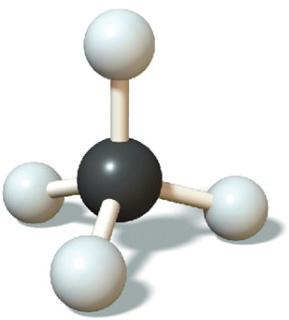



Carbon Skeletons and Functional Groups
The properties of organic compounds depend on the size and shape of their carbon skeletons and the functional groups attached. Functional groups are specific clusters of atoms that confer distinct chemical properties, often making molecules hydrophilic (water-loving).
Hydroxyl group (–OH): Found in alcohols; increases solubility.
Carboxyl group (–COOH): Found in acids; acts as a proton donor.
Amino group (–NH2): Found in amines; acts as a base.
Phosphate group (–PO4): Found in nucleotides; important in energy transfer.
Methyl group (–CH3): Nonpolar; affects gene expression.

Sex Hormones: Structural Differences
Testosterone and estradiol (a type of estrogen) differ only in their functional groups, which results in distinct biological effects.

Macromolecules: Polymers and Monomers
Polymer Formation and Breakdown
Cells build large molecules (macromolecules) from smaller units (monomers) through dehydration reactions, which remove water to form bonds. Hydrolysis breaks polymers into monomers by adding water. These reactions are catalyzed by enzymes.
Polymer: Long chain of monomers.
Dehydration reaction: Joins monomers, releases water.
Hydrolysis: Breaks polymers, consumes water.

Carbohydrates
Monosaccharides: The Simplest Carbohydrates
Carbohydrates range from small sugars (monosaccharides) to large polysaccharides. Monosaccharides generally have the formula and contain hydroxyl and carbonyl groups.
Monosaccharide: Simple sugar; e.g., glucose ().
Disaccharide: Two monosaccharides joined by dehydration; e.g., lactose (glucose + galactose).
Polysaccharide: Long chains; e.g., starch, glycogen, cellulose, chitin.
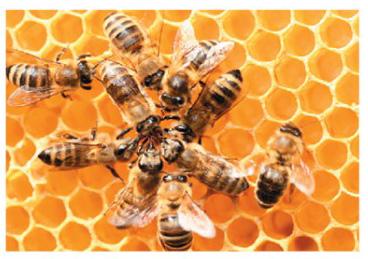
Polysaccharides: Storage and Structure
Polysaccharides serve as energy storage (starch in plants, glycogen in animals) or structural components (cellulose in plants, chitin in fungi and arthropods).
Starch: Storage in plants; easily digestible.
Cellulose: Structural in plant cell walls; indigestible by humans.
Glycogen: Storage in animals; found in liver and muscles.
Chitin: Structural in fungi and exoskeletons of insects/crustaceans.
Lipids
Fats: Energy Storage Molecules
Lipids are hydrophobic molecules composed mainly of carbon and hydrogen. Fats (triglycerides) consist of glycerol linked to three fatty acids. Fatty acids may be saturated (no double bonds) or unsaturated (one or more double bonds).
Saturated fats: Maximum hydrogen; solid at room temperature; found in animal fats.
Unsaturated fats: One or more double bonds; liquid at room temperature; found in plant oils.
Trans fats: Created by hydrogenation; associated with health risks.
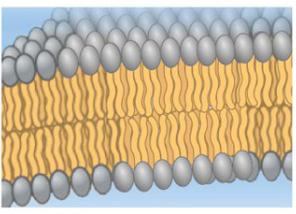
Phospholipids and Steroids
Phospholipids are major components of cell membranes, forming a bilayer due to their hydrophilic heads and hydrophobic tails. Steroids include cholesterol and hormones; cholesterol is a precursor for other steroids and is found in animal cell membranes.
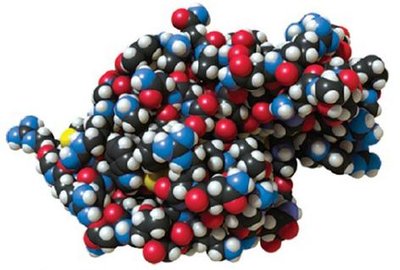
Proteins
Functions and Structure of Proteins
Proteins are involved in nearly every cellular function, including catalysis (enzymes), transport, defense (antibodies), signaling (hormones), reception, contraction (muscles), structure (collagen), and storage. Proteins are polymers of 20 different amino acids.
Enzymes: Catalyze biochemical reactions.
Transport proteins: Move substances across membranes.
Defensive proteins: Antibodies in immune response.
Signal proteins: Hormones and communication.
Structural proteins: Collagen, keratin.
Amino Acids and Peptide Bonds
Amino acids have a central carbon bonded to an amino group, carboxyl group, hydrogen atom, and an R group. Peptide bonds link amino acids via dehydration reactions, forming polypeptides.
Primary structure: Sequence of amino acids.
Secondary structure: Coiling/folding stabilized by hydrogen bonds (alpha helix, beta sheet).
Tertiary structure: 3D shape from R group interactions.
Quaternary structure: Multiple polypeptides combined.
Nucleic Acids
DNA and RNA: Information-Rich Polymers
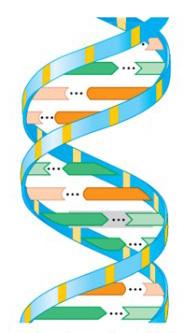
Nucleic acids are polymers of nucleotides, each consisting of a sugar, phosphate group, and nitrogenous base. DNA is a double helix; RNA is single-stranded. DNA and RNA store and transmit genetic information, serving as blueprints for protein synthesis.
DNA: Deoxyribonucleic acid; molecule of inheritance.
RNA: Ribonucleic acid; involved in protein synthesis.
Complementary base pairing: Ensures accurate replication and transcription.

Human Evolution and Lactose Tolerance
Lactose Tolerance: An Evolutionary Adaptation
Lactose tolerance in adults is a recent evolutionary adaptation, resulting from mutations that keep the lactase gene active. This adaptation is found in populations with a history of dairy farming.
Genetic mutations: Affect expression of the lactase gene.
Macromolecules involved: DNA (mutation), protein (lactase enzyme), carbohydrate (lactose).
Summary Table: Important Chemical Groups of Organic Compounds
Chemical Group | Structure | Example |
|---|---|---|
Hydroxyl | –OH | Alcohol |
Carboxyl | –COOH | Carboxylic acid |
Amino | –NH2 | Amine |
Phosphate | –PO4 | Organic phosphate |
Methyl | –CH3 | Methylated compound |
Key Concepts for Exam Preparation
Describe the importance of carbon to life’s molecular diversity.
Identify and explain the function of key chemical groups.
Explain how cells build large molecules from small monomers.
Define and compare monosaccharides, disaccharides, and polysaccharides.
Describe the structure and function of lipids, phospholipids, and steroids.
Explain the health risks of trans fats.
Describe the chemical structure and functions of proteins.
Describe the chemical structure of nucleic acids and their role in inheritance.
Explain the evolution of lactose tolerance in humans.
