 Indietro
Chapter 32: An Overview of Animal Diversity
Guida di studio - Note intelligenti
 Appunti personalizzati basati sui tuoi materiali, ampliati con definizioni chiave, esempi e contesto.
An Overview of Animal Diversity
Introduction to Animal Diversity
Animals are a highly diverse group of multicellular, heterotrophic eukaryotes. This chapter explores the defining characteristics of animals, their evolutionary history, and the major features of animal body plans. Understanding these concepts is fundamental to the study of biology and the classification of life.
Defining Characteristics of Animals
Nutritional Mode
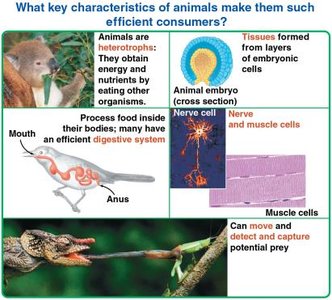
Heterotrophy: Animals obtain energy and nutrients by ingesting other organisms, unlike plants (autotrophs) and fungi (which absorb nutrients after external digestion).
Internal Digestion: Animals ingest food and digest it within their bodies, often using a complete digestive tract.
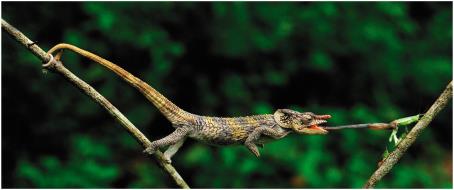
Example: The chameleon captures insect prey with its long, sticky, fast-moving tongue, demonstrating animal predation and mobility.
Cell Structure and Specialization
Multicellularity: Animals are composed of multiple cells lacking cell walls, supported instead by structural proteins such as collagen.
Specialized Tissues: Unique to animals are nervous and muscle tissues, which enable rapid response and movement.
Tissues: Groups of similar cells that act as functional units.
Reproduction and Development
Sexual Reproduction: Most animals reproduce sexually, with the diploid stage dominating the life cycle. Gametes are produced directly by meiosis.
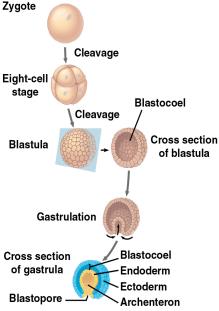
Embryonic Development: Animal development typically involves cleavage (rapid cell division), formation of a blastula (hollow ball of cells), and gastrulation (formation of embryonic tissue layers).
Larval Stages: Many animals have a larval stage that is morphologically and behaviorally distinct from the adult.
Regulatory Genes: Most animals share a unique family of regulatory genes called Hox genes, which control the expression of other genes influencing morphology.
Evolutionary History of Animals
Origin of Multicellular Animals
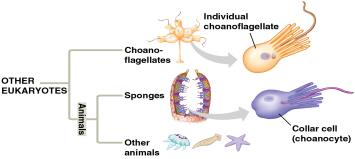
Closest Relatives: Protists called choanoflagellates are the closest living relatives to animals.
Evidence: Morphological and molecular data support this relationship, including similarities in genes involved in cell adhesion and signaling.
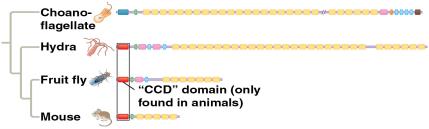
Major Eras in Animal Evolution
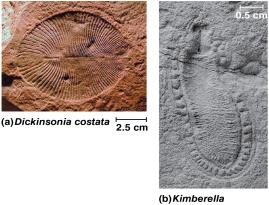
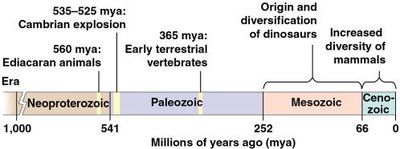
Neoproterozoic Era (1 Billion–541 Million Years Ago): First macroscopic animal fossils (Ediacaran biota) appear; evidence of early animal embryos and predation.
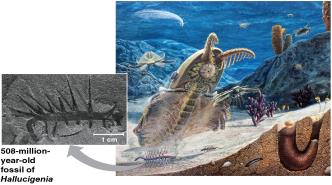
Paleozoic Era (541–252 Million Years Ago): Cambrian explosion marks rapid diversification; first large animals with hard skeletons; colonization of land by arthropods and vertebrates.
Mesozoic Era (252–66 Million Years Ago): First coral reefs, diversification of dinosaurs, origin of mammals, and flowering plants.
Cenozoic Era (66 Million Years Ago–Present): Extinction of large reptiles, rise of mammals, and evolution of primates.
Animal Body Plans
Symmetry
Radial Symmetry: Body parts arranged around a central axis; typical of sessile or planktonic animals (e.g., cnidarians).
Bilateral Symmetry: Body has right and left sides, dorsal and ventral surfaces, and anterior and posterior ends; associated with active movement and cephalization (concentration of sensory organs at the head).
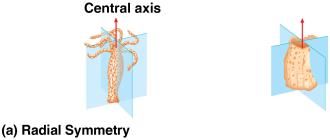
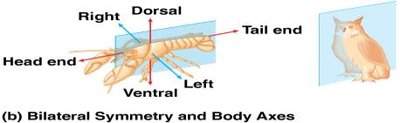
Tissues and Germ Layers
Tissues: Collections of specialized cells acting as functional units. Sponges lack true tissues; all other animals have tissues derived from germ layers.
Diploblastic: Animals with two germ layers (ectoderm and endoderm), e.g., cnidarians.
Triploblastic: Animals with three germ layers (ectoderm, mesoderm, endoderm); includes all bilaterians.
Body Cavities
Coelom: A fluid- or air-filled body cavity completely lined by mesoderm-derived tissue; cushions organs and allows independent movement of internal organs.
Hemocoel: A body cavity formed between mesoderm and endoderm, filled with hemolymph for nutrient and waste transport.
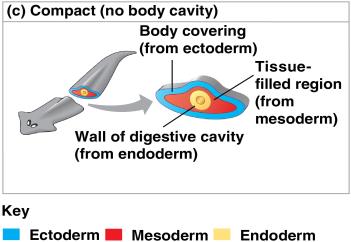
Acoelomate: Animals lacking a body cavity; typically compact with tissues filling the space between the digestive tract and body wall.
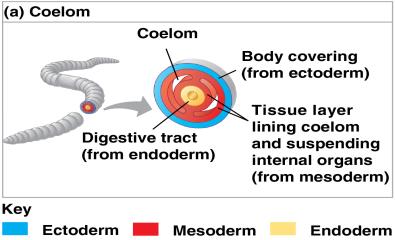
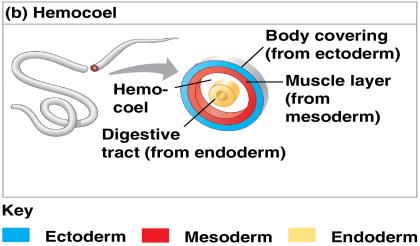
Developmental Modes: Protostomes vs. Deuterostomes
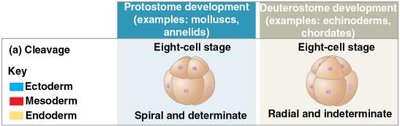
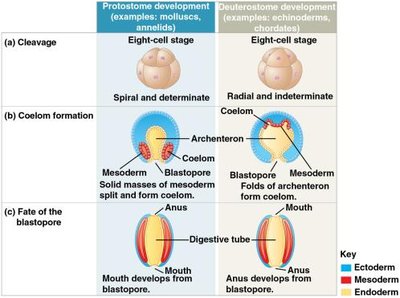
Cleavage: Protostomes exhibit spiral, determinate cleavage; deuterostomes have radial, indeterminate cleavage.
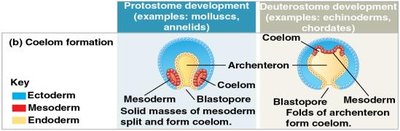
Coelom Formation: In protostomes, the coelom forms by splitting of mesoderm; in deuterostomes, it forms from mesodermal outpocketings of the archenteron.
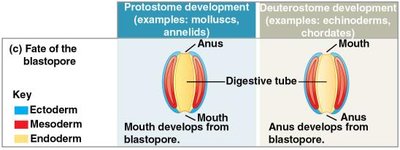
Fate of the Blastopore: In protostomes, the blastopore becomes the mouth; in deuterostomes, it becomes the anus.
Animal Phylogeny and Major Clades
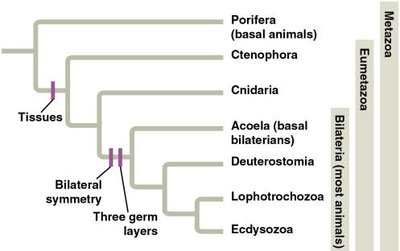
Phylogenetic Relationships
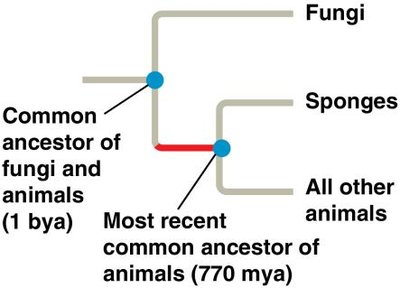
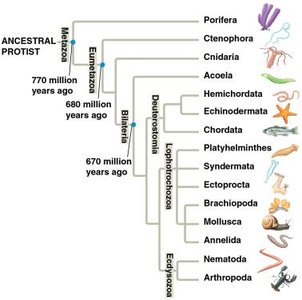
All animals share a common ancestor.
Sponges are the sister group to all other animals.
Eumetazoa is a clade of animals with true tissues.
Most animal phyla belong to the clade Bilateria, which is divided into three major clades: Deuterostomia, Ecdysozoa, and Lophotrochozoa.
Chordata is the only phylum with vertebrates; most bilaterians are invertebrates.
Major Clades of Bilaterians
Deuterostomia: Includes hemichordates, echinoderms, and chordates; may be invertebrates or vertebrates.
Ecdysozoa: All members secrete an external skeleton (exoskeleton) and grow by ecdysis (molting); includes nematodes and arthropods.
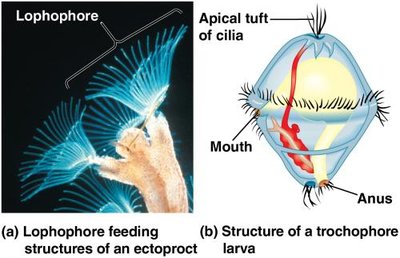
Lophotrochozoa: Named for the presence of a lophophore (ciliated feeding structure) or trochophore larva in some members; includes molluscs, annelids, and ectoprocts.
Future Directions in Animal Systematics
Current research focuses on the placement of ctenophores and acoelomate flatworms in the animal phylogeny.
Systematics is a dynamic field, continually updated with new molecular and morphological data.
Summary Table: Key Features of Animal Body Plans
Feature | Radial Symmetry | Bilateral Symmetry |
|---|---|---|
Body Organization | Central axis, multiple planes of symmetry | Single plane of symmetry, right/left sides |
Movement | Often sessile or planktonic | Active movement, cephalization |
Examples | Cnidarians, ctenophores | Arthropods, vertebrates |
Key Terms and Concepts
Heterotroph: Organism that obtains energy by consuming other organisms.
Blastula: Hollow ball of cells formed during early embryonic development.
Gastrulation: Process forming embryonic tissue layers.
Coelom: Body cavity completely lined by mesoderm.
Hox genes: Regulatory genes controlling animal body plan development.
Bilateria: Clade of animals with bilateral symmetry and three germ layers.
Protostome: Animal in which the mouth develops from the blastopore.
Deuterostome: Animal in which the anus develops from the blastopore.
Additional info: This guide expands on the original lecture slides by providing definitions, examples, and a summary table for comparison. All images included are directly relevant to the adjacent content and reinforce key concepts in animal diversity and evolution.
