 Indietro
Chapter 6: An Introduction to Metabolism – General Biology Study Notes
Guida di studio - Note intelligenti
 Appunti personalizzati basati sui tuoi materiali, ampliati con definizioni chiave, esempi e contesto.
An Introduction to Metabolism
Overview of Metabolism
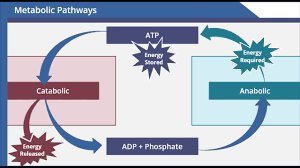
Metabolism refers to the collection of all chemical reactions that occur within an organism, enabling it to transform matter and energy for growth, maintenance, and reproduction. These reactions are organized into metabolic pathways, which are either catabolic (breaking down molecules to release energy) or anabolic (building molecules, requiring energy input).
Catabolic Pathways: Break down complex molecules into simpler ones, releasing energy.
Anabolic Pathways: Build complex molecules from simpler ones, consuming energy.
Bioenergetics: The study of how energy flows through living organisms.
Types of Energy
Energy is the capacity to cause change. In biological systems, energy exists in several forms:
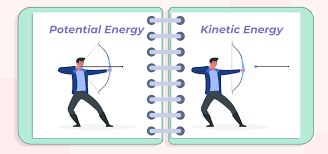
Kinetic Energy: Energy of motion (e.g., movement of molecules).
Thermal Energy: Random movement of atoms and molecules; heat is thermal energy transferred between objects.
Potential Energy: Energy due to location or structure (e.g., chemical bonds).
Chemical Energy: Potential energy stored in molecular bonds.
Thermodynamics in Biology
Biological systems obey the laws of thermodynamics:
First Law: Energy can be transferred and transformed, but cannot be created or destroyed.
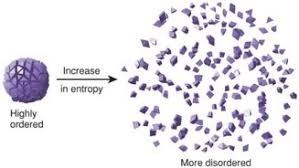
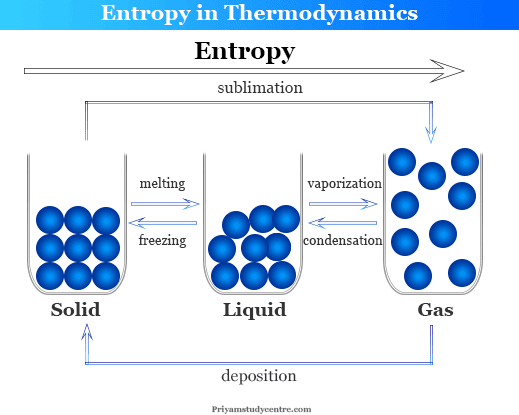
Second Law: Every energy transfer increases the entropy (disorder) of the universe.
Entropy: A measure of disorder; spontaneous reactions increase entropy.
Free Energy and Spontaneity
The change in free energy (ΔG) determines whether a reaction occurs spontaneously:
Free Energy (G): The portion of a system's energy that can perform work.
ΔG (Change in Free Energy): If ΔG is negative, the reaction is spontaneous; if positive, the reaction is non-spontaneous and requires energy input.
Exergonic Reactions: Release energy, ΔG < 0, spontaneous.
Endergonic Reactions: Consume energy, ΔG > 0, non-spontaneous.
Chemical Equilibrium: Maximum stability; forward and reverse rates are equal.
ATP and Cellular Work
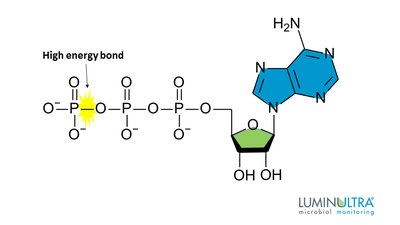
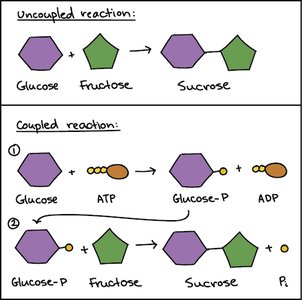
ATP (adenosine triphosphate) is the primary energy currency of the cell. It powers cellular work by coupling exergonic reactions (energy-releasing) to endergonic reactions (energy-consuming).
Three Types of Cellular Work:
Chemical: Driving endergonic reactions.
Transport: Moving substances against gradients.
Mechanical: Physical movement of cell structures.
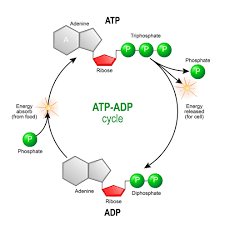
ATP Hydrolysis: The terminal phosphate group is removed, releasing energy (about 7.3 kcal/mol under standard conditions).
Phosphorylated Intermediate: The recipient molecule gains a phosphate, becoming unstable and reactive.
ATP Cycle: ADP is recharged to ATP via catabolic reactions.
Enzymes and Activation Energy
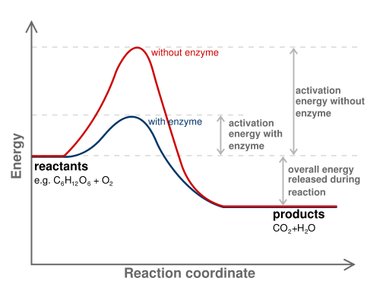
Enzymes are biological catalysts, usually proteins, that speed up metabolic reactions by lowering the activation energy required for a reaction to proceed.
Activation Energy: The energy needed to break bonds in reactants.
Enzyme Function:
Specific substrate binding at the active site.
Formation of enzyme-substrate complex.
Induced fit: enzyme changes shape to better hold substrate.
Methods: orient substrates, strain bonds, create favorable microenvironments, temporary binding.
Enzymes cannot make endergonic reactions spontaneous; they only speed up spontaneous reactions.
Optimal Conditions for Enzyme Activity
Enzyme activity depends on environmental conditions:
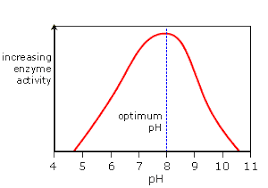
Optimal pH: Each enzyme has a pH range where it functions best; extremes cause denaturation.
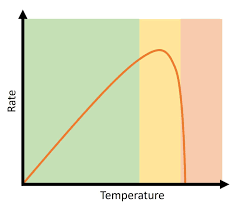
Optimal Temperature: Enzymes have a temperature range for maximum activity; too high or too low affects function.
Substrate Concentration: Increasing substrate increases reaction rate until enzymes are saturated.
Enzyme Regulation
Cells regulate enzyme activity to control metabolism and prevent chaos:
Cofactors: Nonprotein helpers (inorganic or organic, called coenzymes).
Inhibition:
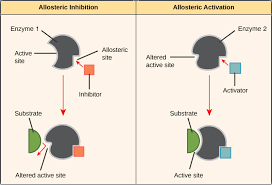
Competitive: Inhibitor binds active site, blocking substrate.
Noncompetitive: Inhibitor binds elsewhere, changing enzyme shape.
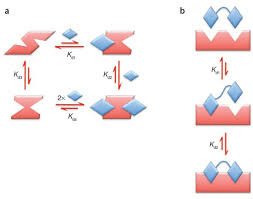
Allosteric Regulation: Binding at one site affects activity at another; can activate or inhibit.
Cooperativity: Binding of one substrate increases affinity for others.
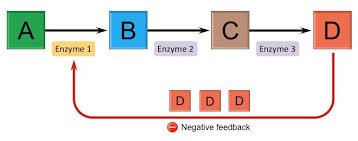
Feedback Inhibition: End product inhibits an early enzyme, halting production.
Localization: Enzymes, reactants, and products are compartmentalized for efficiency.
Key Equations
Free Energy Change: Where: = change in free energy = change in enthalpy (total energy) = temperature in Kelvin = change in entropy
ATP Hydrolysis:
Summary Table: Types of Metabolic Pathways
Pathway | Description | Energy Flow |
|---|---|---|
Catabolic | Breaks down molecules | Releases energy |
Anabolic | Builds molecules | Requires energy |
Example
Cellular respiration is a catabolic pathway that breaks down glucose to release energy, while photosynthesis is an anabolic pathway that builds glucose from CO2 and H2O, requiring energy input.
Additional info: Expanded explanations and diagrams were added for clarity and completeness, including key equations and summary tables.
