 Indietro
Chapter 8: An Introduction to Metabolism – Study Notes
Guida di studio - Note intelligenti
 Appunti personalizzati basati sui tuoi materiali, ampliati con definizioni chiave, esempi e contesto.
Metabolism and Metabolic Pathways
Overview of Metabolism
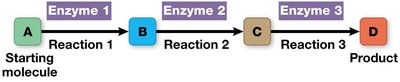
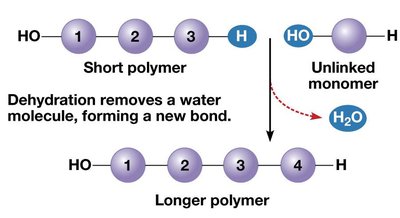
Metabolism refers to the totality of an organism’s chemical reactions, which transform matter and energy. These reactions are organized into metabolic pathways, where a specific molecule is altered in a series of steps to produce a product. Each step is catalyzed by a specific enzyme, a macromolecule that speeds up a particular reaction.
Metabolic Pathway: A sequence of chemical reactions, each catalyzed by a different enzyme.
Catabolic Pathways: Release energy by breaking down complex molecules into simpler compounds.
Anabolic Pathways: Consume energy to build complex molecules from simpler ones.
Example: Cellular respiration (catabolic) and protein synthesis (anabolic).
Forms of Energy
Kinetic, Potential, and Chemical Energy
Energy is the capacity to cause change and can be used to do work. It exists in various forms:
Kinetic Energy: Energy associated with motion.
Potential Energy: Energy that matter possesses because of its location or structure.
Chemical Energy: Potential energy available for release in a chemical reaction.
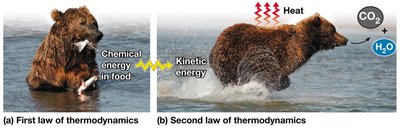
Example: Chemical energy in food is converted to kinetic energy in animals.
Thermodynamics and Biological Systems
First and Second Laws of Thermodynamics
Thermodynamics is the study of energy transformations. Living organisms are open systems, exchanging energy and matter with their surroundings.
First Law: Energy can be transferred and transformed, but cannot be created or destroyed.
Second Law: Every energy transfer increases the entropy (disorder) of the universe.
Spontaneous Processes: Increase entropy and occur without energy input.
Nonspontaneous Processes: Decrease entropy and require energy input.
Free Energy and Spontaneity
Gibbs Free Energy (ΔG)
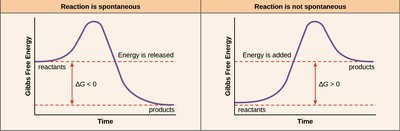
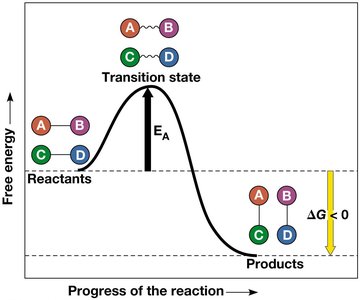
Free energy is the portion of a system’s energy that can do work under uniform temperature and pressure. The change in free energy (ΔG) determines whether a reaction is spontaneous.
Equation:
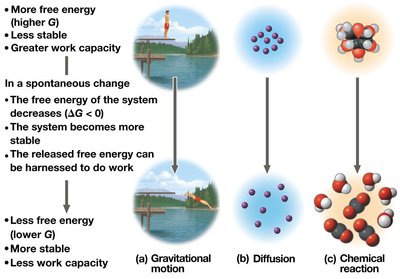
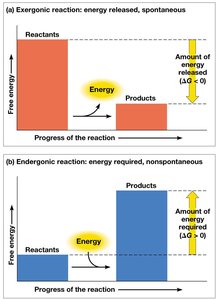
Spontaneous Reaction: ΔG < 0 (system loses free energy, becomes more stable)
Nonspontaneous Reaction: ΔG ≥ 0 (requires energy input)
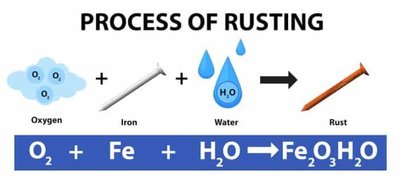
Example: Diffusion, gravitational motion, and chemical reactions can be spontaneous if they decrease free energy.
ATP and Cellular Work
Structure and Function of ATP
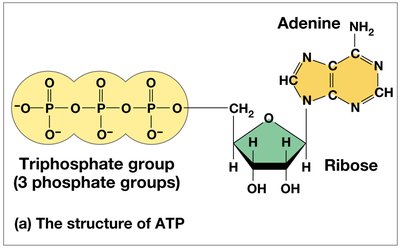
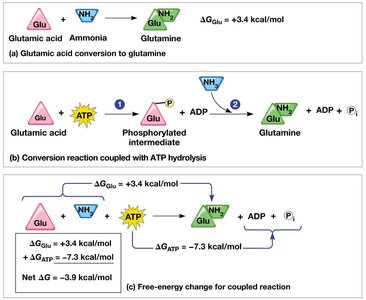
ATP (adenosine triphosphate) is a nucleotide composed of ribose, adenine, and three phosphate groups. It belongs to the class of nucleic acids and is the cell’s primary energy currency.
ATP Structure: Ribose (sugar), adenine (nitrogenous base), three phosphate groups.
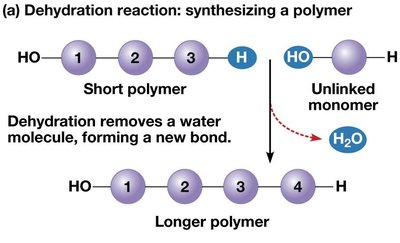
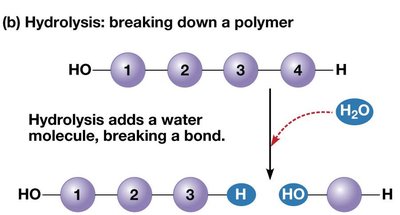
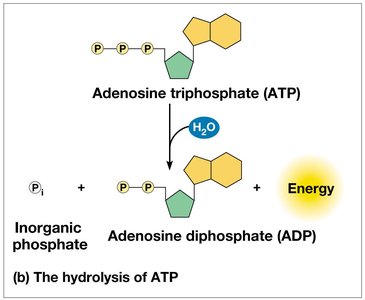
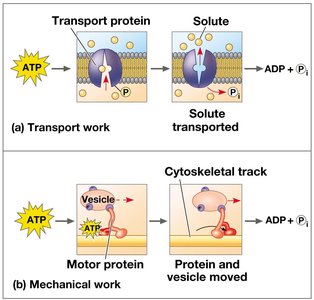
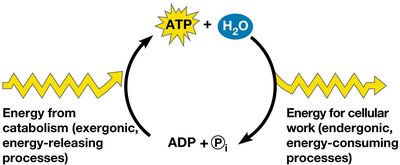
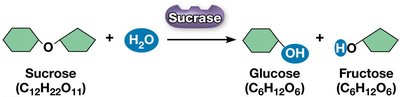
Hydrolysis of ATP: Releases energy by breaking the terminal phosphate bond.
Phosphorylation: Transfer of a phosphate group from ATP to another molecule, powering endergonic reactions.
ATP Cycle: ATP is regenerated from ADP and inorganic phosphate using energy from catabolic reactions.
Enzymes and Metabolic Reactions
Enzyme Function and Activation Energy
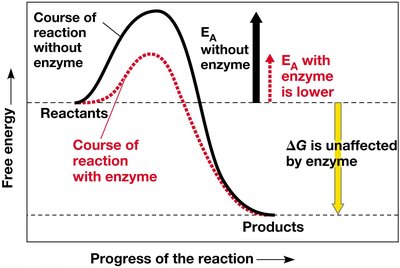
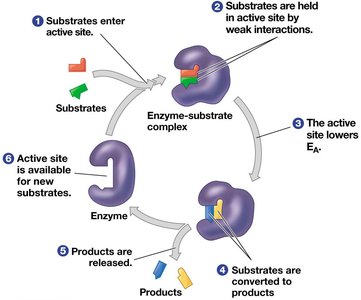
Enzymes are biological catalysts, usually proteins, that speed up metabolic reactions by lowering the activation energy (EA) required for a reaction to proceed.
Catalyst: Speeds up a reaction without being consumed.
Activation Energy (EA): The initial energy needed to break bonds in reactants.
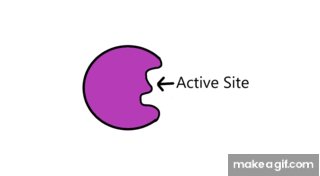
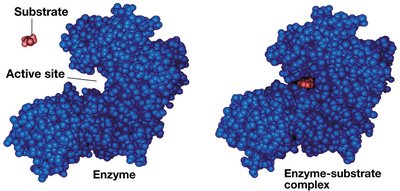
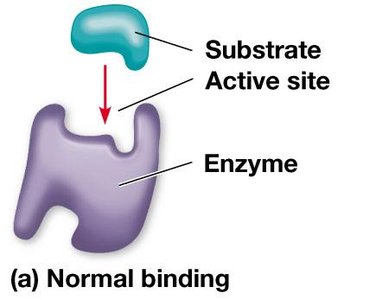
Enzyme Specificity: Determined by the shape and chemical properties of the active site.
Induced Fit Model: The active site changes shape to fit the substrate, enhancing catalysis.
Factors Affecting Enzyme Activity
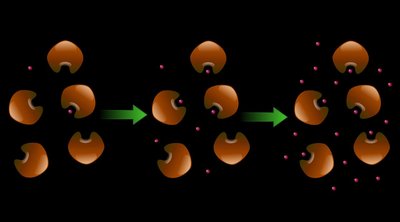
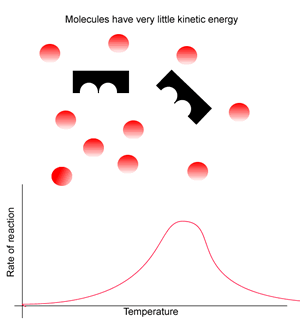
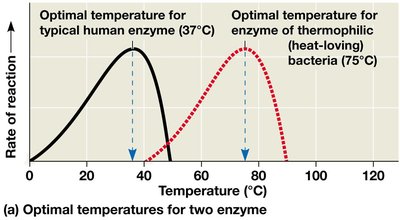
Enzyme activity is influenced by substrate concentration, temperature, pH, cofactors, and inhibitors.
Substrate Concentration: Higher concentration increases reaction rate until the enzyme is saturated.
Temperature: Each enzyme has an optimal temperature; extreme temperatures can denature enzymes.
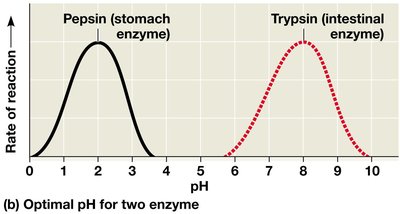
pH: Each enzyme has an optimal pH; deviations can reduce activity.
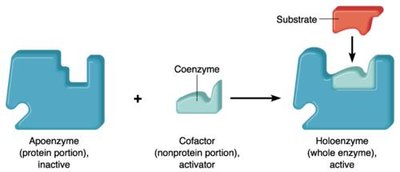
Cofactors: Nonprotein helpers (inorganic or organic) required for enzyme activity.
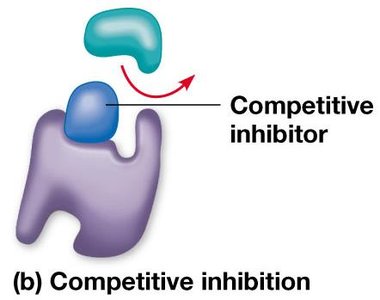
Enzyme Inhibitors: Chemicals that reduce enzyme activity; can be competitive (bind active site) or noncompetitive (bind elsewhere).
Regulation of Enzyme Activity
Allosteric Regulation and Feedback Inhibition
Cells regulate metabolism by controlling enzyme activity. Allosteric regulation occurs when a regulatory molecule binds to a protein at one site and affects its function at another site. Feedback inhibition prevents a cell from wasting resources by shutting down a pathway when the end product accumulates.
Allosteric Regulation: Can inhibit or stimulate enzyme activity.
Feedback Inhibition: End product of a pathway inhibits an earlier step, preventing overproduction.
Example: Isoleucine synthesis pathway regulated by feedback inhibition.
Summary Table: Types of Metabolic Pathways
Pathway Type | Energy Change | Example |
|---|---|---|
Catabolic | Energy released | Cellular respiration |
Anabolic | Energy consumed | Protein synthesis |
Key Equations
Gibbs Free Energy:
ATP Hydrolysis:
Additional info:
These notes expand on brief points from the original materials, providing academic context and examples for clarity. All images included are directly relevant to the explanation of the adjacent paragraph.
