 Indietro
Chapter 8: An Introduction to Metabolism – Study Notes
Guida di studio - Note intelligenti
 Appunti personalizzati basati sui tuoi materiali, ampliati con definizioni chiave, esempi e contesto.
Chapter 8: An Introduction to Metabolism
Key Concepts of Metabolism
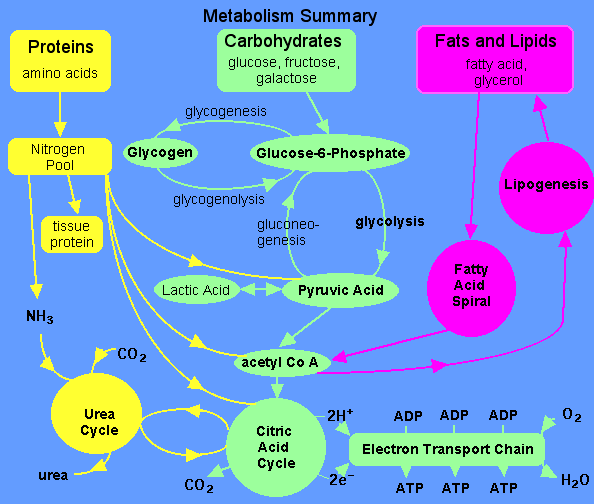
Metabolism encompasses all chemical reactions within an organism, transforming matter and energy to sustain life. These reactions are organized into metabolic pathways, regulated by enzymes, and governed by the laws of thermodynamics.
Metabolism: The sum of all chemical reactions in an organism.
Catabolic pathways: Break down complex molecules, releasing energy (e.g., cellular respiration).
Anabolic pathways: Build complex molecules from simpler ones, consuming energy (e.g., protein synthesis).
Bioenergetics: The study of how energy flows through living organisms.
The Energy of Life
Cells function as chemical factories, extracting energy from nutrients and using it to perform work. Some organisms, such as certain marine species, can even convert energy into light (bioluminescence).

Metabolic Pathways
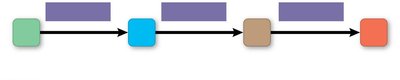
Metabolic pathways are sequences of enzymatically catalyzed chemical reactions in a cell. Each step is facilitated by a specific enzyme, ensuring efficiency and regulation.
Forms of Energy
Kinetic and Potential Energy
Energy exists in various forms and can be transformed:
Kinetic energy: Energy of motion (e.g., moving molecules).
Heat (thermal energy): Kinetic energy associated with random movement of atoms or molecules.
Potential energy: Stored energy due to position or structure (e.g., chemical bonds).
Chemical energy: Potential energy available for release in a chemical reaction.

The Laws of Thermodynamics
First and Second Laws
Thermodynamics describes energy transformations:
First Law: Energy cannot be created or destroyed, only transformed or transferred.
Second Law: Every energy transfer increases the entropy (disorder) of the universe.

Biological Order and Disorder
Living organisms create local order (e.g., macromolecules, cells) but increase the overall entropy of the universe through energy transformations that release heat.
Order is maintained locally, but the universe's total entropy increases.
The evolution of complex organisms does not violate the second law of thermodynamics.

Free Energy and Spontaneity of Reactions
Free-Energy Change (ΔG)
Free energy (G) is the portion of a system's energy that can perform work at constant temperature and pressure. The change in free energy (ΔG) determines whether a reaction is spontaneous.
Equation:
ΔH: Change in enthalpy (total energy)
ΔS: Change in entropy
T: Temperature in Kelvin

Spontaneous vs. Nonspontaneous Reactions
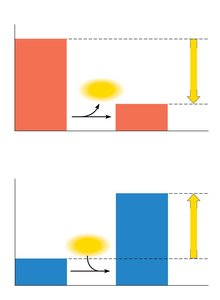
Spontaneous reactions: ΔG < 0, increase system stability, can perform work.
Nonspontaneous reactions: ΔG > 0, require energy input.
At equilibrium, ΔG = 0, and no work is done.
Energy Coupling and ATP
ATP: The Energy Currency of the Cell
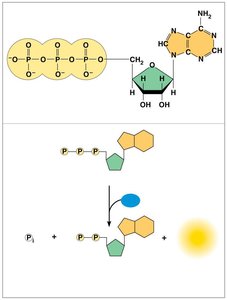
Adenosine triphosphate (ATP) powers cellular work by coupling exergonic reactions (energy-releasing) to endergonic reactions (energy-consuming). ATP hydrolysis releases energy that can drive cellular processes.
ATP consists of adenine, ribose, and three phosphate groups.
Hydrolysis of ATP forms ADP and inorganic phosphate, releasing energy.
How ATP Performs Work
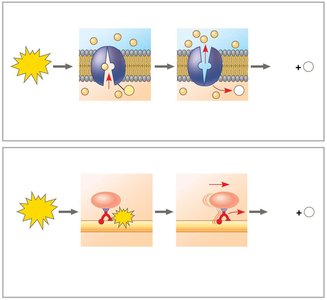
ATP powers three main types of cellular work:
Chemical work: Driving endergonic reactions (e.g., synthesis of macromolecules).
Transport work: Pumping substances across membranes.
Mechanical work: Movement of structures (e.g., muscle contraction, vesicle transport).
The ATP Cycle
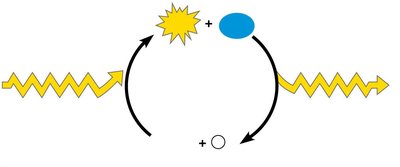
ATP is regenerated by the addition of a phosphate group to ADP, using energy from catabolic reactions. This cycle links catabolism and anabolism in the cell.
Enzymes and Metabolic Regulation
Enzymes as Catalysts
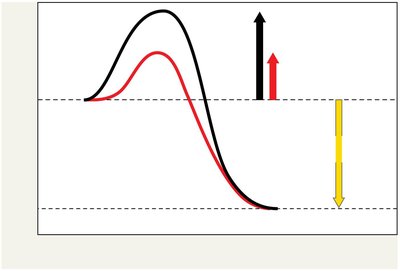
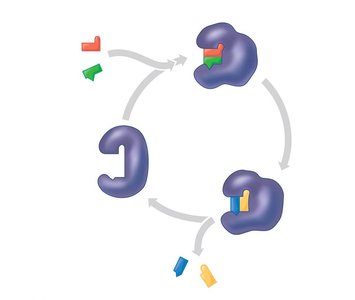
Enzymes are biological catalysts that speed up metabolic reactions by lowering the activation energy barrier, without being consumed in the process.
Activation energy (EA): The initial energy needed to start a reaction.
Enzymes do not affect ΔG; they only lower EA.
Substrate Specificity and the Active Site
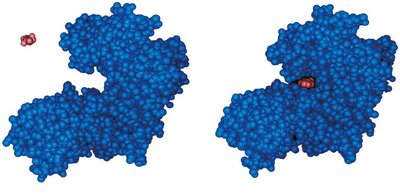
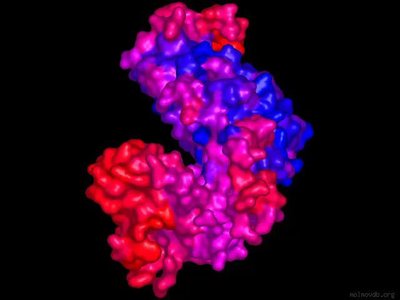
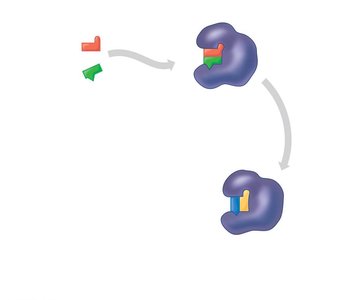
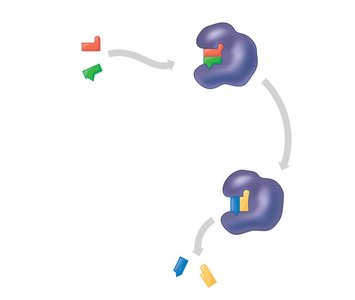
Each enzyme is specific to its substrate, binding at the active site to form an enzyme-substrate complex. The active site facilitates the conversion of substrate to product.
Mechanisms of Enzyme Action
The active site of an enzyme can lower activation energy by:
Orienting substrates correctly
Straining substrate bonds
Providing a favorable microenvironment
Covalently bonding to the substrate
Factors Affecting Enzyme Activity
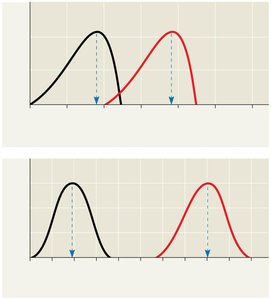
Temperature: Each enzyme has an optimal temperature for activity.
pH: Each enzyme has an optimal pH.
Cofactors: Nonprotein helpers (inorganic or organic) required for enzyme function. Organic cofactors are called coenzymes (e.g., vitamins).
Enzyme Inhibition
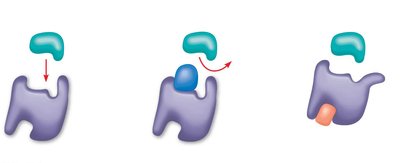
Competitive inhibitors: Bind to the active site, blocking substrate binding.
Noncompetitive inhibitors: Bind elsewhere, altering enzyme shape and function.
Examples include toxins, poisons, pesticides, and antibiotics.
Regulation of Enzyme Activity
Cells regulate metabolism by controlling enzyme activity through:
Allosteric regulation: Regulatory molecules bind to sites other than the active site, stabilizing active or inactive forms of the enzyme.
Cooperativity: A form of allosteric regulation where substrate binding increases enzyme activity at other active sites.
Feedback inhibition: The end product of a pathway inhibits an enzyme involved earlier in the pathway, preventing overproduction.
Localization of Enzymes Within the Cell
Enzymes are often compartmentalized within specific organelles, enhancing the efficiency and regulation of metabolic pathways. For example, enzymes for cellular respiration are located in mitochondria.
