 Indietro
Classification of Animals and Plants: Structured Study Notes
Guida di studio - Note intelligenti
 Appunti personalizzati basati sui tuoi materiali, ampliati con definizioni chiave, esempi e contesto.
Classification of Animals
Overview of the Animal Kingdom
Animals are classified based on the presence or absence of a backbone-like organ, known as the vertebral column. This fundamental distinction divides animals into Chordates (with a backbone or notochord) and Invertebrates (without a backbone).
Chordates: Possess a notochord or backbone. Includes vertebrates such as humans, birds, and frogs.
Invertebrates: Lack a backbone. Includes all non-chordate phyla.
Clues of Body Plans
Animal classification relies on several key body plan features, including symmetry, cephalization, germ layers, coelom, segmentation, gut type, nutrition, habitat, reproduction, and defense mechanisms.
Body Plan: Ranges from cell-aggregate (sponges) to tube-within-a-tube (fish).
Symmetry: Asymmetrical (sponges), radial (jellyfish), bilateral (humans).
Cephalization: Development of a head region and nervous system.
Germ Layers: Ectoderm, mesoderm, endoderm.
Coelom: Presence and type of body cavity (acoelomate, pseudocoelomate, eucoelomate).
Segmentation: Division of the body into repeated segments.
Gut Type: Sac-like or tubular digestive system.
From Single-Celled to Multicellular Body
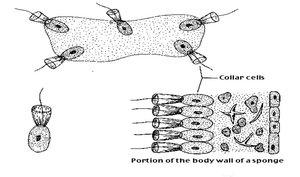
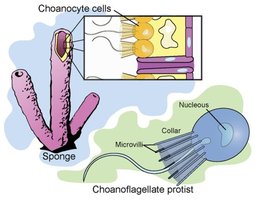
Evolution from single-celled flagellated organisms to multicellular animals is illustrated by the presence of collar cells (choanocytes) in sponges, which resemble choanoflagellate protists.
Basic Body Plans
Three fundamental body plans are observed in animals:
Cell-aggregate plan: Seen in sponges.
Blind-sac plan: Seen in Hydra, with a single opening.
Tube-within-a-tube plan: Seen in fish, with a complete digestive tract.
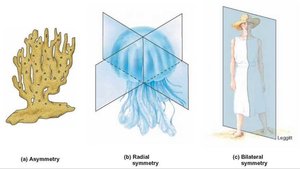
Body Symmetry
Symmetry is a key feature in animal classification:
Asymmetry: No definite shape (sponges).
Radial symmetry: Body divided into equal halves by any plane (jellyfish).
Bilateral symmetry: Body divided into two equal halves (humans).
Non-Chordates (Invertebrates)
Phylum Porifera (Sponges)
Sponges are simple, asymmetrical, sessile animals that filter feed through pores. Their body wall contains specialized collar cells (choanocytes) for water flow and nutrient capture.
Feeding: Filter feeders
Symmetry: Asymmetrical
Movement: Sessile
Reproduction: Asexual and sexual
Internal transport, respiration, excretion: All through pores
Phylum Cnidaria
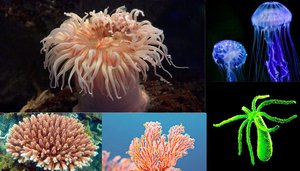
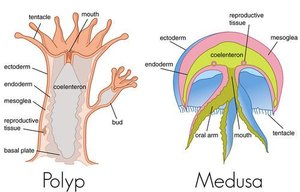
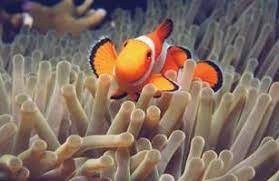
Cnidarians are aquatic animals with radial or biradial symmetry, possessing specialized stinging cells (cnidocytes) containing nematocysts. They exhibit two body forms: polyp and medusa.
Symmetry: Radial or biradial
Body forms: Polyp (sessile) and Medusa (free-swimming)
Body layers: Diploblastic (ectoderm and endoderm, separated by mesoglea)
Gut: Incomplete gastrovascular cavity
Digestion: Extracellular and intracellular
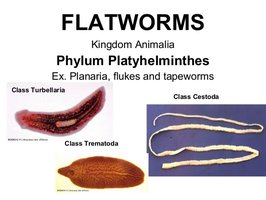
Phylum Platyhelminthes (Flatworms)
Flatworms are acoelomate, triploblastic, bilaterally symmetrical animals, often parasitic. They are the first phylum to show a definite mesoderm.
Classes: Turbellaria (Planaria), Trematoda (Flukes), Cestoda (Tapeworms)
Body: Dorsoventrally flattened
Symmetry: Bilateral
Germ layers: Triploblastic
Phylum Annelida
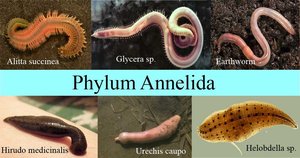
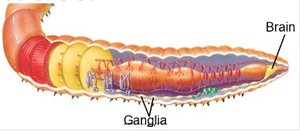
Annelids are segmented, worm-like animals with a true coelom and closed circulatory system. Segmentation allows for compartmentalization of organs.
Body: Segmented
Circulatory system: Closed
Excretion: Nephridia
Reproduction: Bisexual
Symmetry: Bilateral
Phylum Mollusca
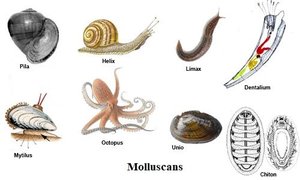
Mollusks are soft-bodied invertebrates, often protected by a shell. They possess a mantle, muscular foot, and gills for respiration.
Body: Soft, often with shell
Symmetry: Bilateral
Movement: Muscular foot
Respiration: Gills
Phylum Nematoda (Roundworms)
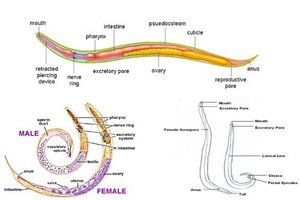
Roundworms are unsegmented, cylindrical animals with a complete digestive system and separate sexes. Their body is covered by a tough cuticle.
Body: Elongated, cylindrical, unsegmented
Digestive system: Complete
Sexes: Separate
Covering: Cuticle
Phylum Arthropoda
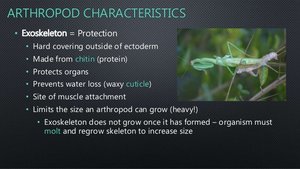
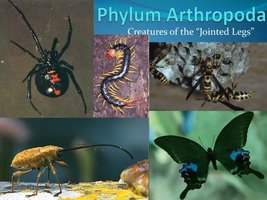
Arthropods are the largest animal phylum, characterized by jointed legs, a chitinous exoskeleton, and metamorphosis. The exoskeleton provides protection but limits growth, requiring molting.
Body: Segmented, jointed legs
Exoskeleton: Chitin, waxy cuticle
Reproduction: Sexual, egg-laying
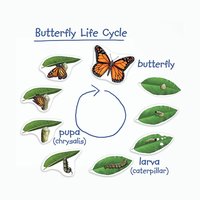
Development: Metamorphosis
Phylum Echinodermata
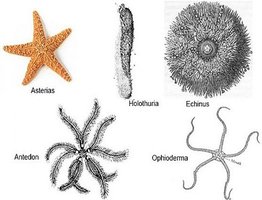
Echinoderms are exclusively marine, radially symmetrical animals with a water vascular system and tube feet. They exhibit pentamerous symmetry and can regenerate body parts.
Symmetry: Radial, pentamerous
Body: Triploblastic, coelomate
Regeneration: Partial organ reformation
Phylum Chordata
Chordates vs Non-Chordates
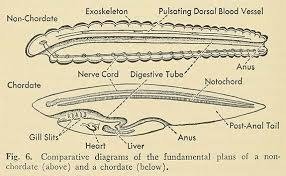
Chordates are distinguished by the presence of a notochord, dorsal hollow nerve cord, pharyngeal gill slits, ventral heart, and post-anal tail. Non-chordates lack these features.
Classification of Protochordata
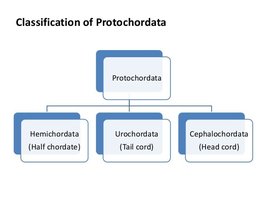
Protochordata includes Hemichordata (half chordate), Urochordata (tail cord), and Cephalochordata (head cord).
Vertebrates – General Features
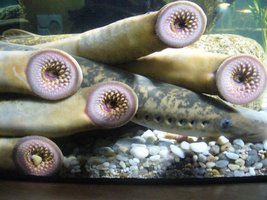
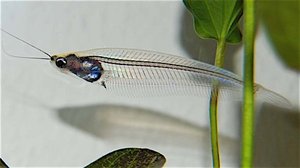
Vertebrates possess a backbone, internal skeleton, circulatory system, protective skin, and a nervous system with a brain. They are classified into jawless (Agnatha) and jawed (Gnathostomata) groups.
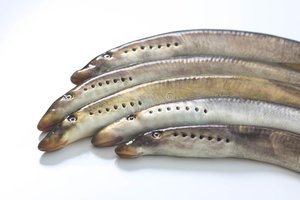
Classification of Subphylum Vertebrata
Vertebrata is divided into Agnatha (jawless) and Gnathostomata (jawed). Gnathostomata is further divided into Pisces (finned) and Tetrapoda (limbed).
Characteristics of Vertebrate Groups
Vertebrate | Characteristics |
|---|---|
Fish | Scales, live in water, cold-blooded, lay eggs, gills |
Amphibians | Smooth skin, live in water and land, cold-blooded, lay eggs |
Reptiles | Scales, lay eggs, cold-blooded, lungs |
Mammals | Hair or fur, warm-blooded, live births, lungs |
Birds | Feathers, warm-blooded, lay eggs, lungs |
Superclass Pisces – Class Chondrichthyes
Cartilaginous fishes include sharks and rays.
Class Osteichthyes
Bony fishes include trout, carp, goldfish, and tuna.
Class Amphibia
Amphibians lay eggs in water, are cold-blooded, and undergo metamorphosis from aquatic larvae to terrestrial adults.
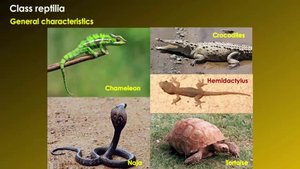
Class Reptilia
Reptiles are cold-blooded, have scales, lay eggs, and breathe through lungs. Examples include chameleon, crocodile, gecko, cobra, and tortoise.
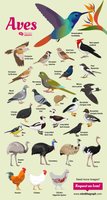
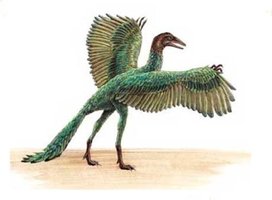
Class Aves (Birds)
Birds are warm-blooded, have feathers, lay eggs, and possess lungs. Examples include hummingbird, sparrow, dove, parrot, pigeon, kiwi, ducks, emu, ostrich, rooster, and chicken.
Class Mammalia
Mammals are warm-blooded, have hair or fur, give live births, and possess lungs.
Classification of Plants
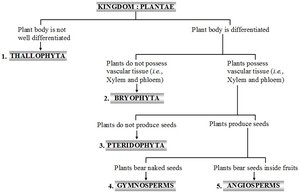
Kingdom Plantae – Classification Chart
Plants are classified based on body differentiation, presence of vascular tissue, and seed production. The main groups are Thallophyta, Bryophyta, Pteridophyta, Gymnosperms, and Angiosperms.
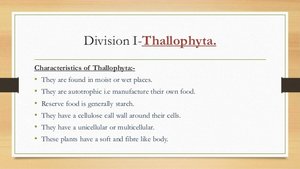
Division Thallophyta (Algae)
Thallophyta are found in moist or wet places, are autotrophic, and have a soft, undifferentiated body. They may be unicellular or multicellular.
Phylum Chlorophyta – Green Algae
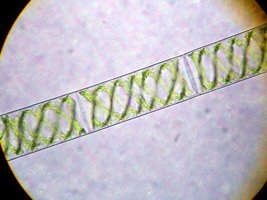
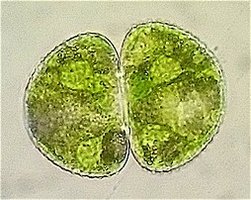
Green algae are unicellular, colonial, or multicellular, with chlorophyll a and b. Most live in freshwater. Examples include Spirogyra, Volvox, Chlamydomonas, and Desmids.
Phylum Phaeophyta – Brown Algae
Brown algae are multicellular, often large (kelps), with chlorophyll a and c. Examples include Sargassum and Laminaria.
Phylum Rhodophyta – Red Algae
Red algae are multicellular, with chlorophyll a and d. They produce Floridian starch and are often found in saltwater. Examples include Chara and red seaweed.
Bryophyta
Bryophytes are non-vascular plants, found in damp, shady places. They lack true roots and are gametophyte dominant. Examples include moss and liverwort (Riccia, Marchantia).
Tracheophytes – Vascular Plants
Tracheophytes possess vascular tissues (xylem and phloem) and include Pteridophytes and Spermatophytes (seed plants).
Pteridophytes (Ferns)
Pteridophytes are the first vascular land plants, with feather-like leaves and sporangia for reproduction. The sporophyte is dominant.
Gymnosperms
Gymnosperms are seed-bearing plants with naked seeds, often in cones. They are mostly trees or shrubs and propagate via wind pollination.
Angiosperms – Flowering and Fruiting Plants
Angiosperms produce flowers and fruits, with seeds enclosed in fruits. They are divided into monocots (one cotyledon) and dicots (two cotyledons).
Quick Revision Tables
Animal Phyla
Phylum | Key Points | Examples |
|---|---|---|
Porifera | Asymmetrical, sessile, filter feeders, pores, osculum, choanocytes | Sponges, Sycon, Leucosolenia |
Cnidaria | Radial/biradial, diploblastic, cnidocytes, polyp & medusa, mesoglea, gastrovascular cavity | Hydra, jellyfish, sea anemone, coral |
Platyhelminthes | Acoelomate, triploblastic, bilateral, dorsoventrally flattened, mostly endoparasites | Planaria, flukes, tapeworms |
Annelida | Segmented, closed circulation, nephridia, bristles, bisexual | Earthworm, leech, Alitta, Glycera |
Mollusca | Soft body, shell, mantle, muscular foot, gills, bilateral | Pila, Helix, Limax, Dentalium, Mytilus, Octopus, Unio, Chiton |
Nematoda | Roundworms, unsegmented, cuticle, complete gut, separate sexes | Intestinal nematodes, tissue nematodes |
Arthropoda | Jointed legs, chitin exoskeleton, moulting, separate sexes, metamorphosis | Spider, centipede, wasp, weevil, butterfly |
Echinodermata | Marine, radial, pentamerous, water vascular system, tube feet, regeneration | Asterias, Holothuria, Echinus, Antedon, Ophioderma |
Chordata | Notochord, dorsal hollow nerve cord, pharyngeal gill slits, post-anal tail, ventral heart | Protochordata, Vertebrates |
Plant Groups
Group | Key Points | Examples |
|---|---|---|
Thallophyta | Moist/wet places, autotrophic, starch, cellulose wall, unicellular or multicellular, soft fibre-like body, body not differentiated | Chlorophyta, Phaeophyta, Rhodophyta |
Chlorophyta | Chlorophyll a & b; mostly freshwater | Chlamydomonas, Desmids, Spirogyra, Volvox |
Phaeophyta | Chlorophyll a & c; kelps; air bladders; Laminarin starch | Sargassum, Laminaria |
Rhodophyta | Chlorophyll a & d; Floridian starch; saltwater; non-motile | Chara, red seaweed, agar |
Bryophyta | Non-vascular; rhizoids; diffusion; gametophyte dominant | Moss, Riccia, Marchantia |
Pteridophyta | First vascular land plants; sporophyte dominant; sporangia; no seeds | Ferns (Nephrolepis) |
Gymnosperms | Naked seeds; cones; wind pollination; woody, no herbs | Pinus/conifers, Cycas |
Angiosperms | Flowers + fruits; monocots and dicots | Monocot plant and dicot plant |
Additional info: Academic context and expanded explanations have been added to ensure completeness and clarity for exam preparation.
