 Indietro
Dairy Industry 101: Structure, Production, and Trends
Guida di studio - Note intelligenti
 Appunti personalizzati basati sui tuoi materiali, ampliati con definizioni chiave, esempi e contesto.
Overview of U.S. Dairy Breeds and Milk Production
Popular Dairy Breeds
The U.S. dairy industry utilizes several breeds of cattle, each with distinct characteristics affecting milk yield and composition. Understanding breed differences is essential for optimizing production and product quality.
Holstein: Most common breed, known for high milk yield but lower fat and protein content.
Jersey: Noted for higher fat and protein content in milk, though yield is lower than Holstein.
Brown Swiss, Ayrshire, Guernsey, Milking Shorthorn, Red and White: Other breeds with varying milk yield and composition.
Key Point: Breed selection impacts both the volume and quality of milk produced, influencing farm economics and product suitability.
Breed Comparison Table
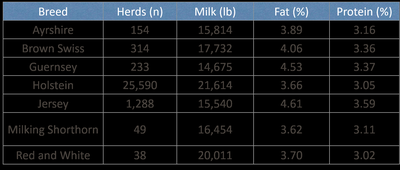
The following table compares major U.S. dairy breeds by herd numbers, milk yield, fat, and protein content:
Breed | Herds (n) | Milk (lb) | Fat (%) | Protein (%) |
|---|---|---|---|---|
Ayrshire | 154 | 15,814 | 3.89 | 3.16 |
Brown Swiss | 314 | 17,732 | 4.06 | 3.36 |
Guernsey | 233 | 14,675 | 4.53 | 3.37 |
Holstein | 25,590 | 21,614 | 3.66 | 3.05 |
Jersey | 1,288 | 15,540 | 4.61 | 3.59 |
Milking Shorthorn | 49 | 16,454 | 3.62 | 3.11 |
Red and White | 38 | 20,011 | 3.70 | 3.02 |
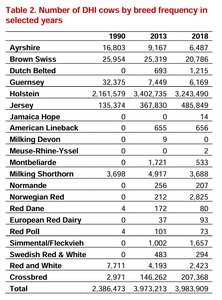
DHI Cow Numbers by Breed
Breed frequency in Dairy Herd Improvement (DHI) programs reflects industry trends and breed popularity over time.
Types of Dairy Housing Systems
Housing System Types
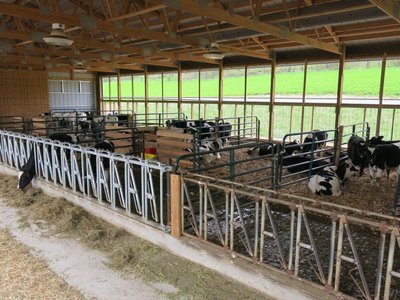
Dairy cattle are housed in various systems, each with advantages and disadvantages. Housing impacts cow health, productivity, and farm management.
Tie stall: Cows are tethered in individual stalls; allows for close monitoring but limits movement.
Free stall: Cows can move freely between stalls; improves comfort and reduces labor.
Dry lot: Outdoor pens with minimal shelter; used in arid regions.
Pasture system: Cows graze outdoors; promotes natural behavior but is weather-dependent.
Bedded packs: Group housing with deep bedding; enhances cow comfort.
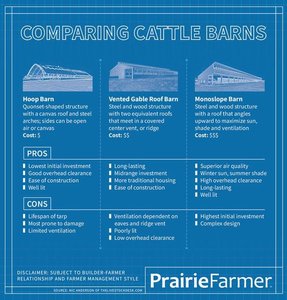
Comparing Cattle Barns
Different barn designs offer unique pros and cons for ventilation, cost, and cow comfort.
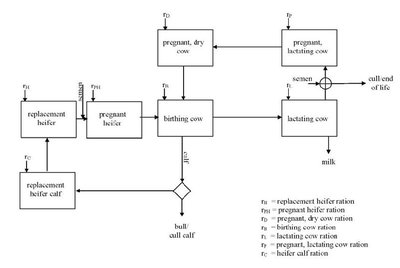
Life Cycle of a Dairy Cow
Production Cycle and Management
The dairy cow's life cycle includes birth, growth, breeding, lactation, and eventual culling. Efficient management of each stage is crucial for sustained milk production.
Calves: Removed from mother soon after birth; fed colostrum for immunity, then milk or replacer until weaning (~8 weeks).
Heifers: Raised for replacement or meat; bred at ~1 year for first calving at 2 years.
Cows: Milked 2-3 times daily during lactation (~305 days); re-bred 45-90 days post-calving; dried off ~60 days before next calving.
Production cycle: Average productive lifespan is 5-7 years.
Calf Management
Colostrum: Essential for passive immunity; fed in first days.
Housing: Individual hutches, pens, or group bedded packs.
Feeding: Milk, water, grain, hay; bottle, pail, or automated feeder.
Milking Systems
Milking Parlors
Milking parlors are specialized facilities for efficient and hygienic milk extraction. Design affects labor efficiency and cow comfort.
Parallel parlor: Cows stand side-by-side; milkers access udders from behind.
Tandem parlor: Cows stand nose-to-tail; individual entry/exit.
Rotary parlor: Cows stand on a rotating platform; continuous operation.
Tie stall system: Cows milked in their stalls; labor-intensive.



Robotic Milking Systems
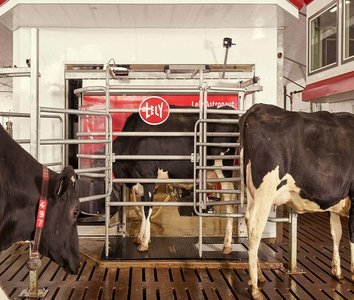
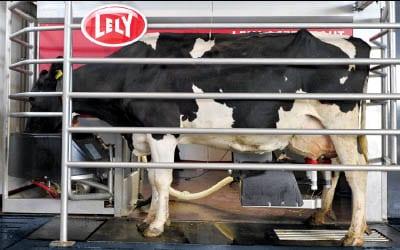
Robotic systems automate milking, reducing labor and improving data collection. Cows enter voluntarily, and machines handle milking and record production metrics.
Monitoring Herd Production
Production Monitoring Tools
Modern dairy farms use technology to monitor milk yield, composition, and cow health. Data-driven management improves efficiency and profitability.
Dairy Herd Improvement (DHI): Regular sampling for milk yield, fat, protein, somatic cell count.
Robotic systems: Automated data collection.
Software: PCDART, Dairy Comp 305, AfiFarm for herd management.
Milk Pricing and Regulation
Federal Milk Marketing Orders (FMMO)
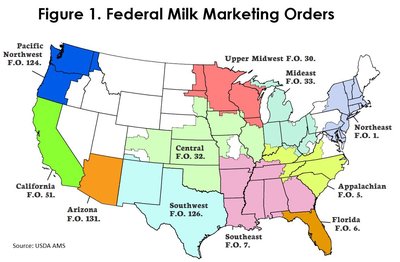
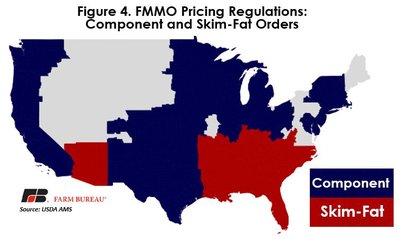
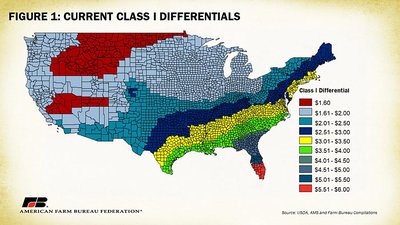
The U.S. government regulates milk pricing through regional marketing orders, setting minimum prices based on product market trends. Farmers receive blended prices weighted by product class usage.
11 regions: Cover ~80% of U.S. milk production.
USDA: Sets prices based on cheese, dry whey, nonfat dry milk (NFDM), and butter.
State regulation: Some states have additional or no price regulations.
Milk Classes
Milk is categorized into four classes based on end use, affecting pricing and processing.
Class I: Fluid products (beverages); price based on Class III & IV average plus $0.74/100 lbs.
Class II: Soft products (ice cream, yogurt, cream); price based on NFDM and butter plus $0.70/100 lbs.
Class III: Cheese and cream cheese; price based on cheese, dry whey, and butter.
Class IV: Butter and dried products; price based on NFDM and butter.
Processing Dairy Products
Fluid Milk Processing
Milk is processed to ensure safety and create various products. Key steps include:
Separation: Fat is separated and re-blended to produce skim, 2%, and whole milk.
Pasteurization: Rapid heating and cooling to kill harmful bacteria.
Homogenization: Disperses fat droplets for uniform texture.
By-products: Excess fat used for cream, butter, ice cream, cheese, yogurt.
U.S. Dairy Consumption Trends
Consumption Patterns
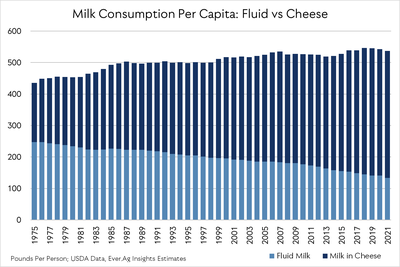
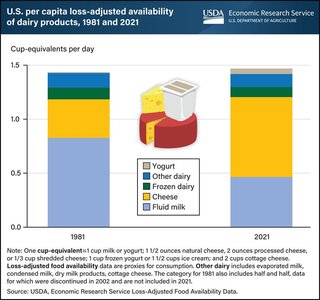
Dairy consumption in the U.S. has shifted over time, with fluid milk intake declining and cheese and other dairy products increasing.
Per capita fluid milk consumption: Decreasing trend.
Cheese and other dairy: Increasing trend, reflecting changing consumer preferences.
Global and U.S. Dairy Production
Top Producing Countries and States
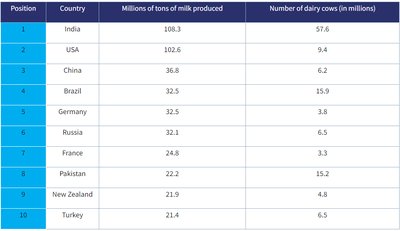
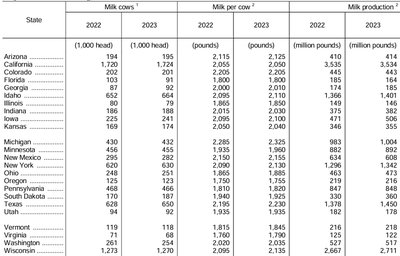
Global dairy production is concentrated in a few countries, with the U.S. being a major producer. Within the U.S., certain states dominate milk production.
India: Largest producer by volume and cow numbers.
USA: Second largest producer; high efficiency per cow.
Top U.S. states: California, Wisconsin, Idaho, New York, Texas.
Trends in Farm Numbers, Cow Numbers, and Milk Production
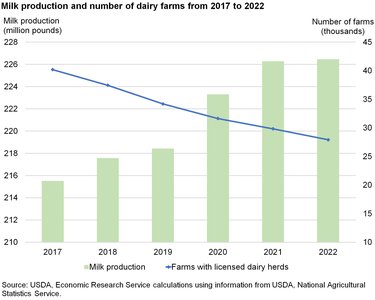
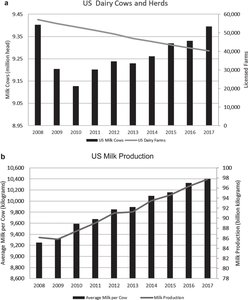
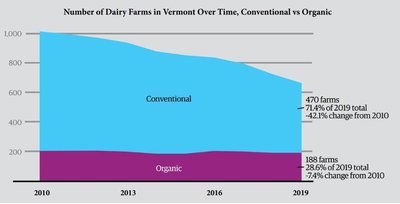
Over time, the number of dairy farms has decreased, while milk production per cow and total production have increased due to improved management and technology.
Summary
The U.S. dairy industry is characterized by diverse breeds, advanced housing and milking systems, regulated pricing, and evolving consumption patterns. Understanding these elements is essential for effective dairy management and industry analysis.
