 Indietro
Deuterostomes, Chordates, and Vertebrates: Structure, Evolution, and Diversity
Guida di studio - Note intelligenti
 Appunti personalizzati basati sui tuoi materiali, ampliati con definizioni chiave, esempi e contesto.
Deuterostomes: Overview and Classification
Bilaterian Animals and Deuterostome Phyla
Deuterostomes are a major lineage within the Bilateria, characterized by bilateral symmetry, triploblasty, and a coelom. They include three main phyla: Echinodermata, Hemichordata, and Chordata.
Bilaterians are animals with bilateral symmetry and three germ layers.
Deuterostomes differ from protostomes in embryonic development: the blastopore becomes the anus.
Non-bilaterian animals include Porifera, Ctenophora, and Cnidaria.
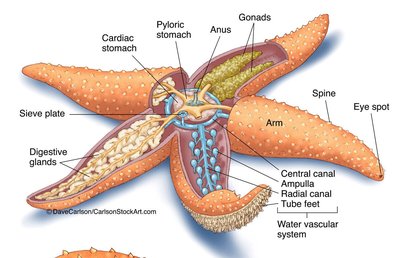
Echinodermata
Echinoderms are marine invertebrates with a unique water vascular system and spiny skin.
Examples: sea stars, sea urchins.
Features: endoskeleton, no backbone, pentaradial symmetry in adults.
Hemichordata
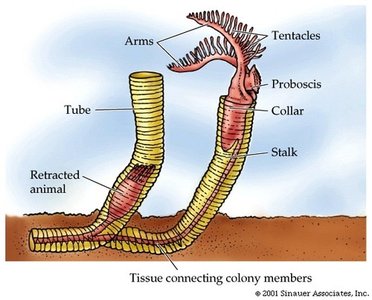
Hemichordates are marine organisms with features similar to both echinoderms and chordates.
Examples: acorn worms.
Features: pharyngeal gill slits, simple nerve cord, larval development similar to echinoderms.
Chordata: Key Characteristics and Subphyla
Four Key Features of Chordates
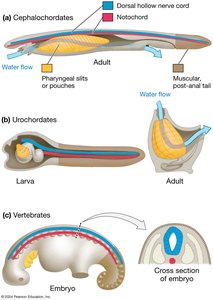
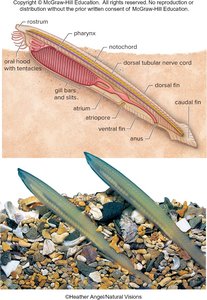
All chordates possess four major features at some stage in their life cycle:
Notochord: a flexible, rod-shaped structure for support.
Dorsal hollow nerve cord: develops into the central nervous system.
Pharyngeal slits or pouches: used for filter feeding or gas exchange.
Muscular post-anal tail: extends beyond the anus, aiding in movement.
Subphyla of Chordata
Chordata is divided into three main subphyla:
Cephalochordata (lancelets): retain all four chordate features throughout life.
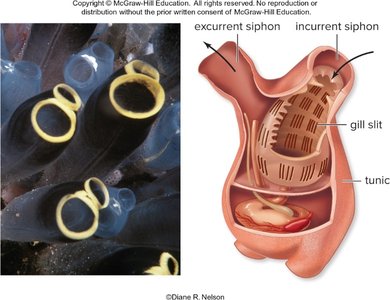
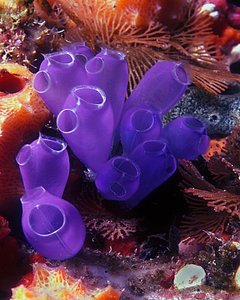
Urochordata (tunicates): chordate features present in larval stage, adults are sessile filter feeders.
Vertebrata: animals with a backbone.
Vertebrates: Structure and Evolution
Major Innovations in Vertebrates
Vertebrates are distinguished by several key innovations:
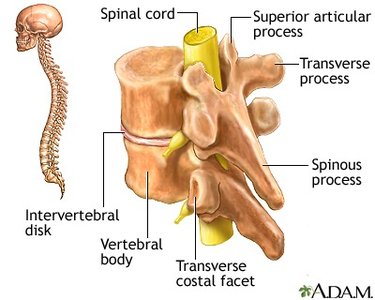
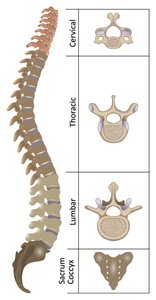
Vertebral column: replaces the notochord, protects the spinal cord, and shows segmentation.
Skull: encloses and protects the brain, supports complex sense organs.
Endoskeleton: made of cartilage and/or bone, grows with the animal, supports movement.
Phylogenetic Relationships Among Chordates
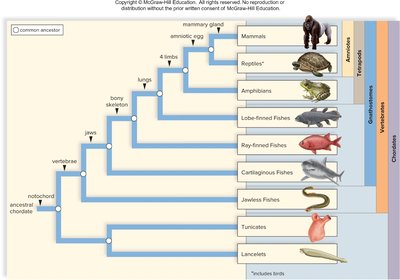
The evolutionary tree of chordates shows the relationships among the major groups, highlighting key innovations such as jaws, limbs, and amniotic eggs. 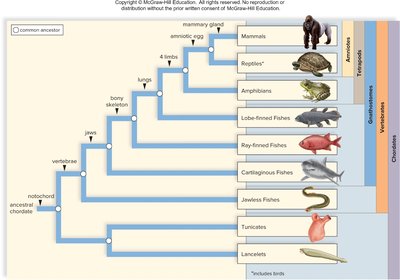

Major Groups of Vertebrates
Jawless Fishes (Agnatha)
Jawless fishes represent the earliest vertebrate condition, lacking jaws and paired fins.
Examples: hagfishes, lampreys.
Features: cranium, notochord as main support, cartilaginous skeleton, eel-like body.
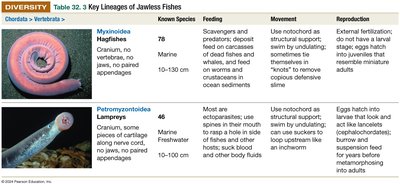
Lineage | Known Species | Feeding | Movement | Reproduction |
|---|---|---|---|---|
Myxinoidea (Hagfishes) | 78 | Scavengers; feed on dead animals | Use notochord for support; swim by undulating body | External fertilization; eggs hatch into miniature adults |
Petromyzontoidea (Lampreys) | 46 | Most are ectoparasites; attach to fish and feed on blood | Use notochord for support; swim by undulating body | Eggs hatch into larvae that look and feed like tunicates; metamorphosis into adults |
Cartilaginous Fishes (Chondrichthyes)
Cartilaginous fishes evolved jaws and paired fins, enabling more efficient predation and movement.
Examples: sharks, rays, skates.
Features: jaws, paired fins, cartilaginous skeleton, internal fertilization.
Conservation note: Many species are threatened due to overexploitation.
Ray-Finned Fishes (Actinopterygii)
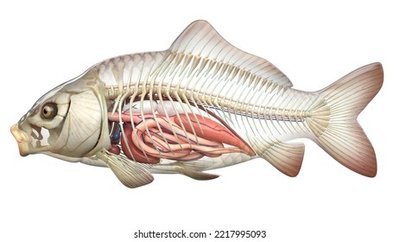
Ray-finned fishes are the most diverse group of vertebrates, with bony skeletons and fins supported by rays.
Examples: goldfish, trout, tuna.
Features: bony endoskeleton, swim bladder for buoyancy, external fertilization, lateral-line system.
Lobe-Finned Fishes (Sarcopterygii)
Lobe-finned fishes possess fleshy, lobed fins with internal bones, providing the foundation for the evolution of tetrapod limbs.
Examples: coelacanths, lungfishes.
Features: muscular lobed fins, lungs or lung-like structures, bones in fins similar to tetrapod limbs.
Tetrapods: Amphibians, Reptiles, Birds, and Mammals
Tetrapods evolved limbs for movement on land, with further innovations in each group.
Amphibians: first vertebrates with limbs adapted for movement; moist skin, reproduce in water.
Reptiles and Birds: possess amniotic eggs, skin covered with scales or feathers, lungs adapted for land.
Mammals: hair or fur, mammary glands, endothermy, large brains, live birth in most species.
Chordate Evolution and Diversity
Evolutionary Innovations
The evolution of vertebrates is marked by several major innovations:
Jaws: allowed for more efficient feeding.
Bony skeleton: provided structural support and protection.
Lobed fins: enabled the transition to land.
Amniotic egg: allowed reproduction independent of water.
Hair and mammary glands: key features of mammals.

Relative Species Abundance
Among living vertebrates, ray-finned fishes are the most abundant, followed by birds, reptiles, amphibians, and mammals.
Group | Relative Abundance (%) |
|---|---|
Ray-finned fishes | ~48% |
Birds | ~20% |
Reptiles | ~15% |
Amphibians | ~10% |
Mammals | ~7% |
Summary Table: Major Vertebrate Groups
Group | Key Features | Major Innovations |
|---|---|---|
Jawless Fishes | No jaws, no paired fins, cranium, notochord | Earliest vertebrate condition |
Cartilaginous Fishes | Jaws, paired fins, cartilaginous skeleton | Evolution of jaws |
Ray-finned Fishes | Bony skeleton, ray-supported fins, swim bladder | Bony skeleton, swim bladder |
Lobe-finned Fishes | Muscular lobed fins, internal bones, lungs | Lobed fins, lungs |
Amphibians | Four limbs, moist skin, reproduce in water | Limbs with digits, lungs |
Reptiles & Birds | Amniotic egg, scales/feathers, lungs | Amniotic egg, feathers (birds) |
Mammals | Hair, mammary glands, live birth | Hair, mammary glands, endothermy |
Conservation Notes
Threats to Vertebrate Diversity
Many vertebrate groups are threatened by habitat destruction, pollution, invasive species, disease, and exploitation.
Amphibians: 41% threatened
Mammals: 27% threatened
Birds: 13% threatened
Reptiles: 21% threatened
Cartilaginous fishes: 37% threatened
Key Terms and Definitions
Deuterostome: Animal whose embryonic development forms the anus from the blastopore.
Chordate: Animal with notochord, dorsal hollow nerve cord, pharyngeal slits, and post-anal tail.
Vertebrate: Chordate with a backbone.
Amniotic egg: Egg with specialized membranes for protection and gas exchange.
Endothermy: Regulation of body temperature by internal metabolic processes.
Additional info:
Some details about conservation status and evolutionary innovations were inferred from standard biology textbooks.
Tables were reconstructed for clarity and completeness.
