 Indietro
DNA Replication, Transcription, and Translation: The Central Dogma of Molecular Biology
Guida di studio - Note intelligenti
 Appunti personalizzati basati sui tuoi materiali, ampliati con definizioni chiave, esempi e contesto.
The Central Dogma of Molecular Biology
Overview of the Central Dogma
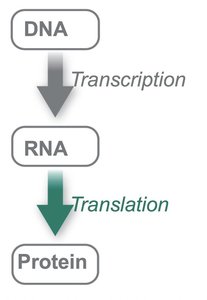
The central dogma describes the flow of genetic information within a biological system. It states that information stored in DNA is transcribed into RNA, which is then translated into protein. This process is fundamental to all living organisms and underpins gene expression.
DNA serves as the genetic blueprint.
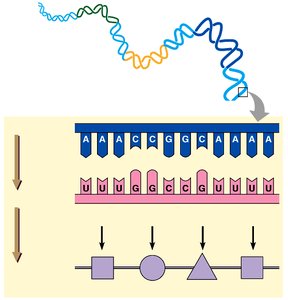
Transcription converts DNA information into messenger RNA (mRNA).
Translation uses mRNA to synthesize proteins.
Proteins carry out cellular functions and determine phenotype.
Key Steps in the Central Dogma
Replication: DNA is copied to produce identical DNA molecules for cell division.
Transcription: DNA is used as a template to synthesize RNA.
Translation: RNA is decoded by ribosomes to build polypeptides (proteins).
DNA Replication
Mechanism and Directionality
DNA replication is the process by which a cell duplicates its DNA before cell division. The process is highly regulated and ensures genetic fidelity.
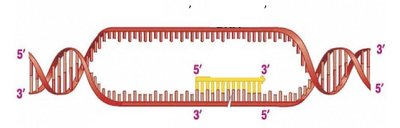
Initiation: Begins at specific sequences called origins of replication.
Enzymes: DNA polymerase catalyzes the addition of nucleotides.
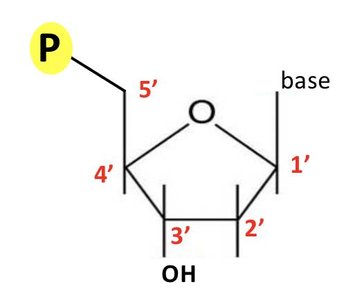
Directionality: New nucleotides are added to the 3' OH group, so DNA is synthesized in the 5' to 3' direction.
Antiparallel Strands: The two DNA strands run in opposite directions, affecting how each is replicated.
Leading and Lagging Strands
Leading strand: Synthesized continuously toward the replication fork.
Lagging strand: Synthesized discontinuously away from the fork in short fragments (Okazaki fragments).
Transcription
Process and Key Concepts
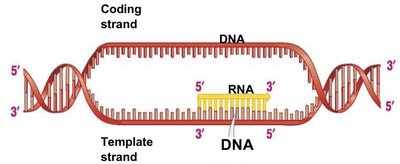
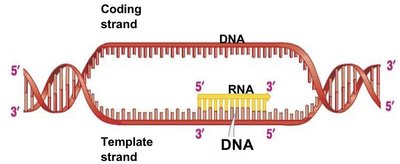
Transcription is the synthesis of RNA from a DNA template. It is the first step in gene expression.
Template strand: The DNA strand used to synthesize RNA.
Coding strand: The DNA strand with the same sequence as the RNA (except T is replaced by U).
Promoter: A DNA sequence where RNA polymerase binds to initiate transcription.
Direction: RNA is synthesized in the 5' to 3' direction.
Translation
Mechanism of Translation
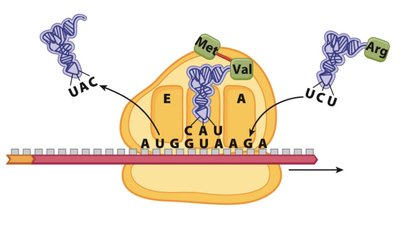
Translation is the process by which ribosomes synthesize proteins using mRNA as a template.
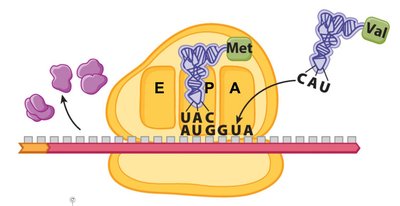
Initiation: The ribosome assembles at the 5' cap of mRNA and scans for the start codon (AUG).
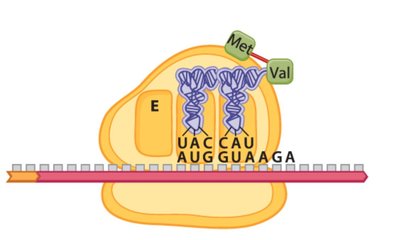
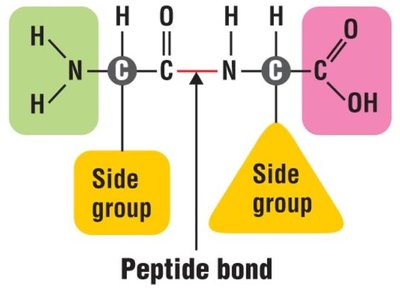
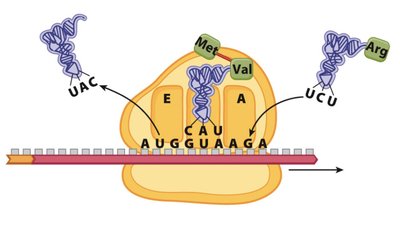
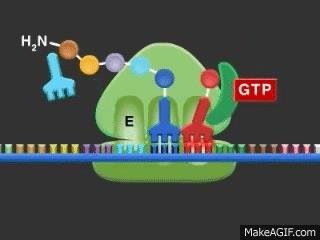
Elongation: tRNAs bring amino acids to the ribosome, matching their anticodon to the mRNA codon. Peptide bonds form between amino acids.
Termination: When a stop codon is reached, the ribosome releases the completed polypeptide.
Codons and the Genetic Code
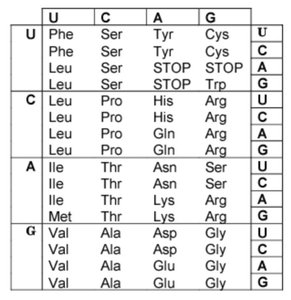
Codon: A sequence of three mRNA nucleotides that codes for a specific amino acid.
Start codon: AUG (methionine) signals the beginning of translation.
Stop codons: UAA, UAG, UGA signal the end of translation.
Reading frame: Translation occurs in the 5' to 3' direction, and the polypeptide is synthesized from the N-terminus to the C-terminus.
Mutations and Their Effects
Types and Consequences of Mutations
Mutations are changes in the DNA sequence. They can affect protein structure and function in various ways.
Point mutations: Change a single nucleotide, potentially altering one amino acid.
Silent mutations: Do not change the amino acid sequence.
Missense mutations: Change one amino acid, possibly affecting protein function.
Nonsense mutations: Introduce a premature stop codon, truncating the protein.
Frameshift mutations: Insertions or deletions that shift the reading frame, often severely affecting the protein.
Protein Structure and Properties
Amino Acid Properties and Peptide Bonds
Proteins are polymers of amino acids linked by peptide bonds. The properties of amino acid side chains determine protein structure and function.
Acidic, basic, polar, and nonpolar side chains: Influence protein folding and interactions.
Peptide bond: Formed by dehydration synthesis between amino acids.
N-terminus and C-terminus: The ends of a polypeptide chain.
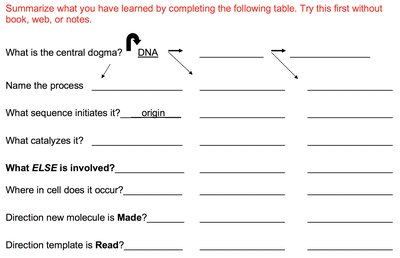
Summary Table: Central Dogma Processes
Process | Initiation Sequence | Catalyst | Location | Direction Made | Direction Read |
|---|---|---|---|---|---|
Replication | Origin | DNA Polymerase | Nucleus | 5' → 3' | 3' → 5' |
Transcription | Promoter | RNA Polymerase | Nucleus | 5' → 3' | 3' → 5' |
Translation | Start Codon (AUG) | Ribosome | Cytoplasm | N → C | 5' → 3' |
Practice and Application
Using the Codon Table
To determine the amino acid encoded by a codon, locate the first, second, and third bases in the codon table.
Example: The codon 5' GUC 3' codes for Valine.
Mass Production of Proteins
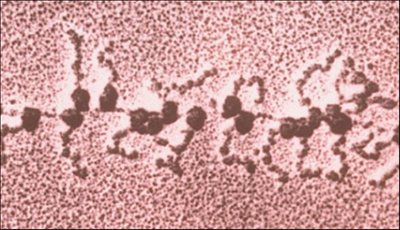
Multiple ribosomes can translate a single mRNA simultaneously, forming a structure called a polysome.
This increases the efficiency of protein synthesis.
Additional info:
DNA replication, transcription, and translation are tightly regulated processes essential for cell function and inheritance.
Mutations can be neutral, harmful, or beneficial, depending on their effect on protein function and gene expression.
Understanding the central dogma is foundational for genetics, molecular biology, and biotechnology.
