 Indietro
DNA Structure, Replication, and Repair: Study Notes for General Biology
Guida di studio - Note intelligenti
 Appunti personalizzati basati sui tuoi materiali, ampliati con definizioni chiave, esempi e contesto.
DNA and the Gene: Synthesis and Repair
Introduction to DNA as the Information Molecule
DNA is the primary information-carrying molecule in cells, responsible for storing genetic information and passing it to subsequent generations. The discovery that DNA, rather than protein, is the hereditary material was the result of many scientists building on each other's work. - Key Point: DNA's role as the genetic material was established through experiments that showed cell molecules could transfer information without being destroyed. - Example: Experiments with harmless and pathogenic bacteria demonstrated that DNA could transfer genetic traits. 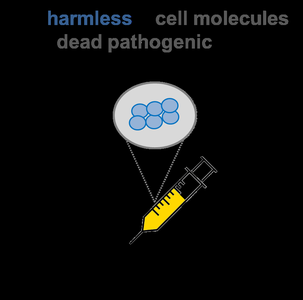
Historical Contributions to DNA Structure Discovery
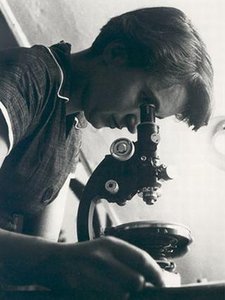
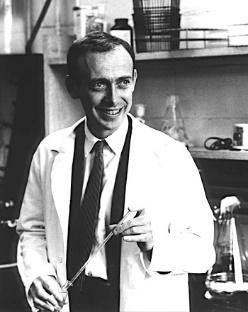
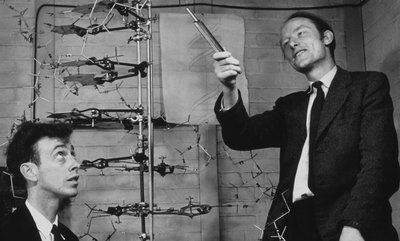
The structure of DNA was elucidated through the collaborative efforts of several scientists, including Linus Pauling, Maurice Wilkins, Rosalind Franklin, James Watson, and Francis Crick. Their discoveries revealed the double helix structure and the importance of base pairing. - Key Point: Understanding the structure of DNA was crucial for explaining how genetic information is stored, copied, and used to direct protein synthesis. 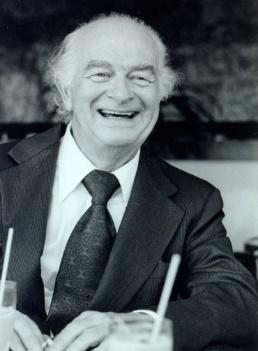
Structure of Nucleic Acids: DNA and RNA
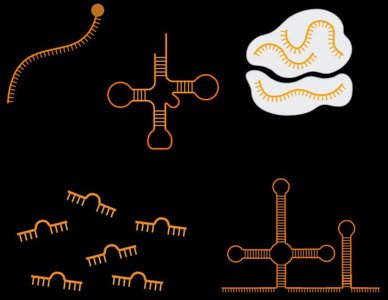
Nucleic acids are polymers made of nucleotides, which consist of three components: a phosphate group, a monosaccharide (sugar), and a nitrogenous base. DNA and RNA differ in their sugar and base composition. - DNA: Contains deoxyribose sugar and bases adenine (A), thymine (T), guanine (G), and cytosine (C). - RNA: Contains ribose sugar and bases adenine (A), uracil (U), guanine (G), and cytosine (C). - Key Point: Nucleotides are connected by phosphodiester bonds to form nucleic acid strands. 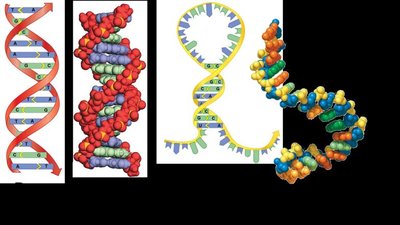
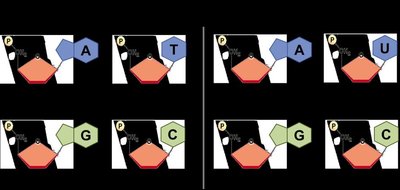
Nucleotide Structure and Directionality
Nucleic acid strands have directionality, defined by the 5' (phosphate group) and 3' (hydroxyl group) ends. This directionality is essential for replication and transcription. - Key Point: DNA and RNA strands are synthesized from the 5' to 3' direction in cells. - Example: DNA strand: 5'-A C G T-3'
DNA Replication: Semiconservative Model
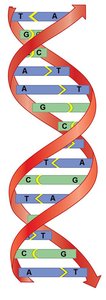
DNA replication is described as semiconservative because each new DNA molecule consists of one original (parental) strand and one newly synthesized strand. - Key Point: Replication depends on complementary base pairing: A pairs with T, and G pairs with C. - Example: Parental DNA separates, and each strand serves as a template for a new strand.
Origins of Replication and Replication Bubbles
DNA replication begins at specific sites called origins of replication (ORI). Prokaryotic chromosomes typically have one ORI, while eukaryotic chromosomes have many, allowing for faster replication. - Key Point: Replication bubbles form at ORIs, and DNA is copied in both directions from each bubble.
Mechanism of DNA Replication
DNA replication involves the separation of strands, formation of new complementary strands, and synthesis in a specific direction. The DNA helix is antiparallel, so new strands are formed in opposite directions at the replication fork. - Key Point: Leading strand is synthesized continuously toward the replication fork; lagging strand is synthesized in fragments (Okazaki fragments) away from the fork.
Major Enzymes in DNA Replication
Several enzymes are essential for DNA replication: - DNA helicase: Unwinds the DNA strands. - DNA polymerase: Synthesizes new DNA strands, requires a template and an RNA primer, and proofreads for errors. - RNA primase: Synthesizes short RNA primers to initiate DNA synthesis. - DNA ligase: Joins fragments of the lagging strand by forming phosphodiester bonds. - Replisome: A macromolecular complex that organizes all enzymes required for DNA synthesis.
Accuracy and Proofreading
DNA polymerases are highly accurate, with proofreading abilities that remove and replace incorrect nucleotides. - Key Point: Completed DNA molecules have very few errors, ensuring faithful transmission of genetic information.
Summary Table: DNA vs. RNA Structure
Feature | DNA | RNA |
|---|---|---|
Sugar | Deoxyribose | Ribose |
Bases | A, T, G, C | A, U, G, C |
Strand Structure | Double-stranded (helix) | Single-stranded (varied shapes) |
Function | Information storage | Information transfer, regulation, catalysis |
Key Equations and Concepts
- Phosphodiester bond formation: - Base pairing: - Directionality:
Follow-Up Questions for Review
1. List the three components of nucleotides and differences between DNA and RNA nucleotides. 2. Are the bonds connecting DNA nucleotides the same as those in RNA? 3. Explain nucleic acid strand directionality. 4. Describe the DNA helix structure and bonding. 5. Why are A-T base pairs easier to separate than G-C pairs? 6. Calculate nucleotide percentages given one base's percentage. 7. Compare DNA and RNA structures. 8. Identify features allowing DNA helix copying. 9. Effects of additional ORI in prokaryotic chromosome. 10. Why must DNA strands be separated for copying? 11. Roles of DNA replication enzymes. 12. Direction of DNA strand reading/writing. 13. Diagram and explanation of DNA replication at a fork. Additional info: These notes expand on brief points with academic context, definitions, and examples to ensure completeness and clarity for exam preparation.
