 Indietro
DNA Technology and Genomics: Applications, Methods, and Ethical Issues
Guida di studio - Note intelligenti
 Appunti personalizzati basati sui tuoi materiali, ampliati con definizioni chiave, esempi e contesto.
DNA Technology and Genetic Engineering
Introduction to DNA Technology
DNA technology refers to the modern laboratory techniques used to study and manipulate genetic material. These methods have revolutionized biology, medicine, agriculture, and forensic science.
Biotechnology: The manipulation of organisms or their components to make useful products. Historically, this included selective breeding and fermentation; today, it involves DNA technology.
Genetic Engineering: The direct manipulation of genes for practical purposes, such as creating genetically modified organisms (GMOs).
Genetically Modified Organisms (GMOs): Organisms that have acquired one or more genes by artificial means.
Transgenic Organisms: GMOs that have acquired genes from another species.
Recombinant DNA Techniques
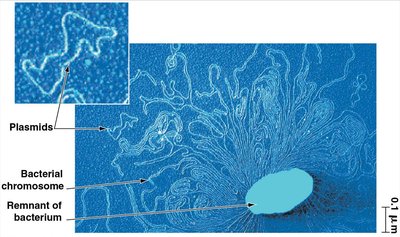
Recombinant DNA technology involves combining DNA from different sources to create new genetic combinations. Bacteria, especially their plasmids, are key tools in this process.
Plasmids: Small, circular DNA molecules in bacteria that replicate independently and are used for gene cloning.
Gene Cloning: The production of multiple identical copies of a gene-carrying piece of DNA.
How to Clone a Gene
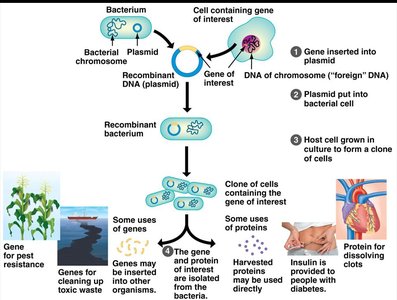
Gene cloning is central to genetic engineering. The process typically involves:
Identifying a gene of interest.
Inserting the gene into a plasmid.
Introducing the plasmid into a bacterial cell.
Growing the host cell to produce clones of the gene.
Cutting and Pasting DNA with Restriction Enzymes
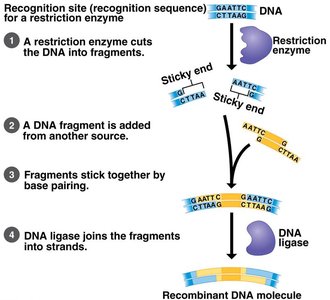
Restriction enzymes are bacterial proteins that cut DNA at specific sequences called restriction sites.
They create "sticky ends" that allow DNA fragments from different sources to be joined.
DNA ligase is used to seal the fragments, forming recombinant DNA molecules.
Gene Editing: The CRISPR-Cas9 System
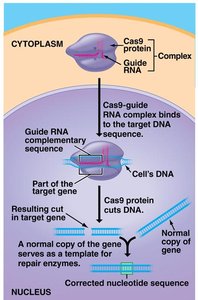
CRISPR-Cas9 is a revolutionary tool for editing genes in living cells.
Guide RNA: Directs the Cas9 protein to the target DNA sequence.
Cas9 cuts the DNA, allowing for gene knockout or correction.
Applications include fixing genetic mutations and studying gene function.
Medical Applications of DNA Technology
Production of Human Proteins
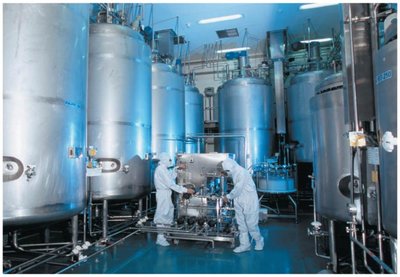
Genetically modified bacteria and other organisms are used to produce important human proteins.
Humulin: Human insulin produced by genetically modified bacteria, used to treat diabetes.
Other products: Human growth hormone, proteins for dissolving blood clots, vaccines, and erythropoietin.


Genetically Modified Organisms in Agriculture
Improving Crop Plants
DNA technology is used to enhance agricultural productivity and nutritional value.
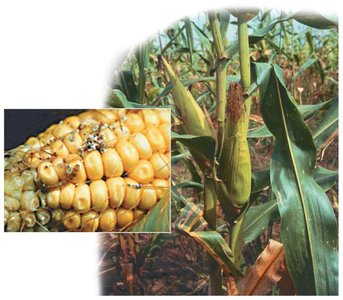
Insect-resistant corn and cotton reduce the need for chemical insecticides.
Strawberries engineered for cold resistance.
Potatoes and rice engineered to produce edible vaccines.
Enhancing Nutrition
"Golden rice 2" contains genes from daffodils and corn to prevent vitamin A deficiency.
Cassava modified for increased iron and beta-carotene content.

Genetically Modified Animals
Transgenic cattle and pigs for improved muscle development and healthier fats.
GMO salmon grows faster and larger than traditional salmon.
Human Gene Therapy
Principles and Applications
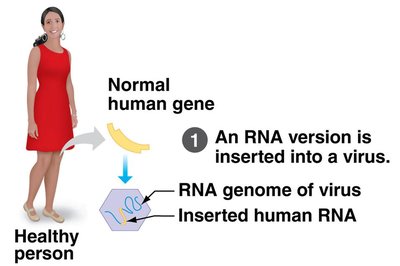
Human gene therapy aims to treat diseases by introducing genes into patients.
Mutant genes may be replaced or supplemented with normal alleles.
Gene therapy has shown promise for treating blindness, nervous system diseases, and blood disorders.
DNA Profiling and Forensic Science
DNA Profiling Techniques
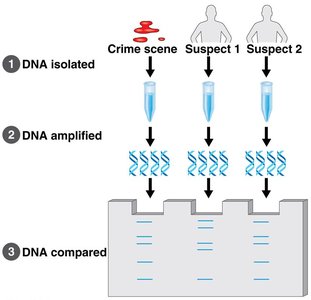
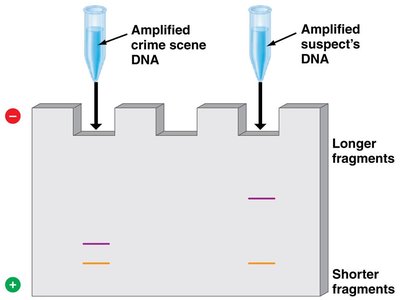
DNA profiling is used in forensics to identify individuals and solve crimes.
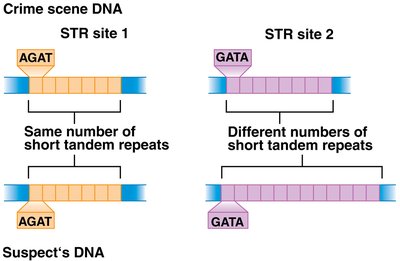
Comparison of DNA sequences that vary between individuals.
STR (Short Tandem Repeat) analysis compares the lengths of repeated DNA sequences.
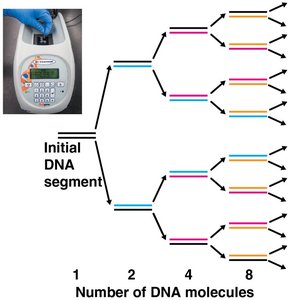
PCR (Polymerase Chain Reaction) amplifies specific DNA segments for analysis.
Gel Electrophoresis
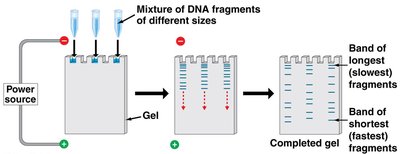
Gel electrophoresis separates DNA fragments by size, allowing for comparison of DNA profiles.
Used to provide evidence of guilt or innocence in criminal cases.
STR analysis with multiple markers makes DNA profiling highly reliable.
Bioinformatics and Genomics
DNA Sequencing and Bioinformatics
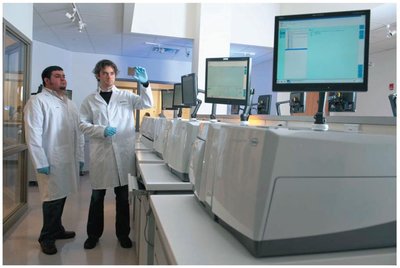
Bioinformatics applies computational methods to analyze biological data, including DNA sequences.
DNA sequencing determines the complete nucleotide sequence of a DNA molecule.
Next-generation and third-generation sequencing technologies allow rapid and inexpensive sequencing.
Genomics
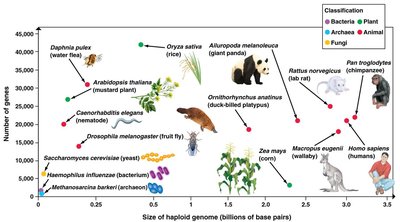
Genomics is the study of complete sets of genes (genomes).
Genome sequences have been determined for thousands of species.
Comparative genomics reveals evolutionary relationships and genetic diversity.
Genome Mapping Techniques
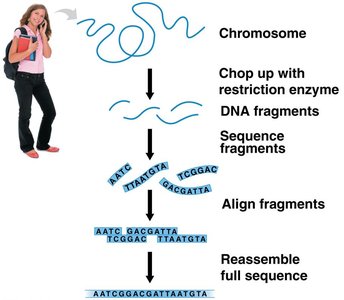
The whole-genome shotgun method is used to sequence entire genomes.
Genome is chopped into fragments, cloned, sequenced, and reassembled using computers.
The Human Genome Project
Key Findings
Human genome contains about 21,000 genes.
Most human DNA is noncoding; only a small fraction codes for proteins or functional RNAs.
Genome sequencing has revealed evolutionary relationships with Neanderthals and chimpanzees.
More than 2,000 disease-associated genes have been identified.
Systems Biology and Proteomics
Systems Biology
Systems biology models the dynamic behavior of whole biological systems based on the interactions among their parts.
Metagenomics studies DNA from environmental samples.
Proteomics studies the full set of proteins encoded by genomes.
Safety, Ethical, and Legal Issues
Safety Concerns
Risks include creation of hazardous organisms and transfer of harmful genes.
Strict laboratory procedures and government regulations address these concerns.
Controversy over Genetically Modified Foods
GM foods are widely used but raise concerns about environmental and health risks.
Mandatory labeling and biosafety protocols are debated internationally.
Ethical Questions Raised by Human DNA Technologies
Should we eliminate genetic defects or interfere with evolution?
Privacy concerns regarding genetic information and potential discrimination.
Genetic Information Nondiscrimination Act (2008) protects against misuse in insurance and employment.
Evolutionary Connections
Y Chromosome Analysis
DNA profiling of the Y chromosome reveals historical lineage and migration patterns.
Examples include descent from Genghis Khan and ancient Jewish ancestry in the Lemba people.
Summary Table: Key DNA Technology Concepts
Concept | Definition | Example/Application |
|---|---|---|
Biotechnology | Manipulation of organisms for useful products | Yeast for bread, GM crops |
Genetic Engineering | Direct manipulation of genes | Transgenic bacteria producing insulin |
Plasmid | Small, circular bacterial DNA | Gene cloning |
Restriction Enzyme | Enzyme that cuts DNA at specific sites | Creating recombinant DNA |
CRISPR-Cas9 | Gene editing tool | Correcting mutations |
PCR | Amplifies DNA segments | Forensic DNA profiling |
STR Analysis | Compares repeated DNA sequences | Crime scene investigation |
Gel Electrophoresis | Separates DNA fragments by size | DNA profiling |
Bioinformatics | Computational analysis of biological data | Genome sequencing |
Genomics | Study of complete sets of genes | Human Genome Project |
Proteomics | Study of all proteins in a genome | Systems biology |
Conclusion
DNA technology and genomics have transformed biology, medicine, agriculture, and forensic science. While offering immense benefits, these advances also raise important safety, ethical, and legal questions that society must address.
