 Indietro
Ecological Communities and Ecosystem Dynamics: Study Notes for General Biology
Guida di studio - Note intelligenti
 Appunti personalizzati basati sui tuoi materiali, ampliati con definizioni chiave, esempi e contesto.
Ecological Communities
Definition and Structure
An ecological community is an assemblage of populations of different species living in close enough proximity to interact. These interactions shape the structure and dynamics of the community.
Community Structure: Determined by species diversity and feeding relationships (trophic structure).
Species Diversity: Includes species richness (number of species) and relative abundance (proportion of each species).
Types of Species Interactions
Species interactions are classified based on their effects on the survival and reproduction of the interacting individuals.
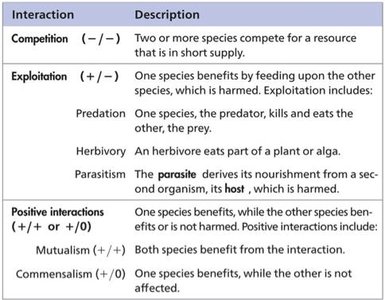
Competition (−/−): Both species are harmed by competing for limited resources.
Exploitation (+/−): One species benefits, the other is harmed. Includes predation, herbivory, and parasitism.
Positive Interactions (+/+ or +/0): At least one species benefits, and neither is harmed. Includes mutualism and commensalism.
Competition and Niche Differentiation
Competition and Competitive Exclusion
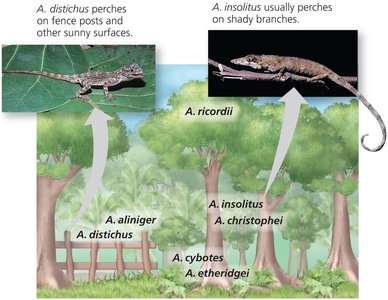
Competition occurs when individuals of different species compete for a resource that limits their survival and reproduction. The competitive exclusion principle states that two species competing for the same limiting resources cannot permanently coexist.
Resource Partitioning: Ecologically similar species can coexist if they evolve significant differences in their niches.
Ecological Niche: The specific set of biotic and abiotic resources used by an organism.
Fundamental Niche: The potential niche a species could occupy.
Realized Niche: The actual niche occupied when competitors are present.
Character Displacement
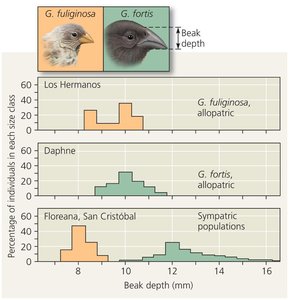
Character displacement occurs when differences between two species are greater in sympatric populations (geographically overlapping) than in allopatric populations (geographically separate), providing indirect evidence of past competition.
Exploitation: Predation, Herbivory, and Parasitism
Predation
Predation is an interaction where one species, the predator, kills and eats another species, the prey. Both predators and prey have evolved adaptations for hunting and defense.
Predator Adaptations: Acute senses, claws, fangs, poison.
Prey Defenses: Behavioral (hiding, fleeing), mechanical (spines), chemical (toxins).
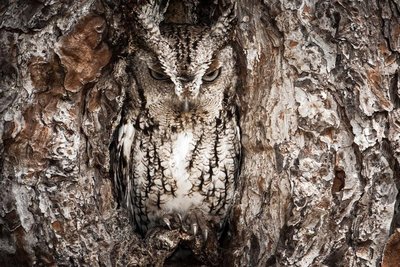
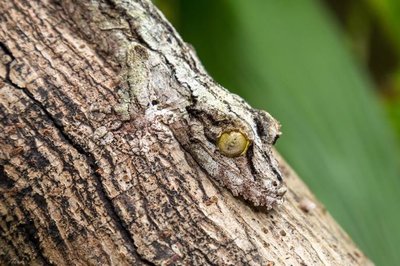
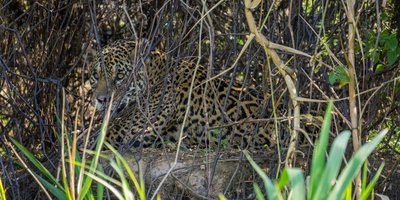
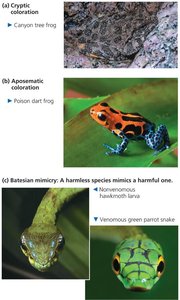
Cryptic Coloration: Camouflage to avoid detection.
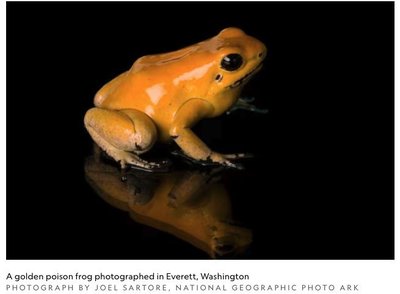
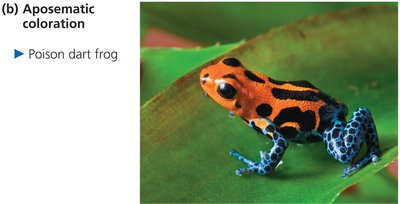
Aposematic Coloration: Bright warning colors signaling toxicity.
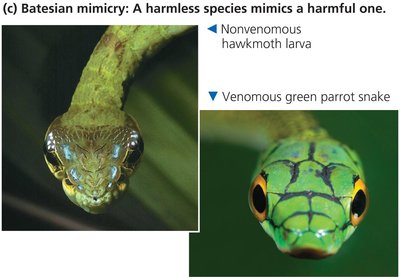
Mimicry: Batesian mimicry (harmless species mimics harmful one).
Herbivory
Herbivory is an interaction where an herbivore eats parts of a plant or alga, harming but usually not killing it. Herbivores and plants have evolved adaptations for feeding and defense.
Herbivore Adaptations: Chemical sensors, specialized teeth, digestive systems.
Plant Defenses: Chemical toxins, spines, thorns.
Parasitism
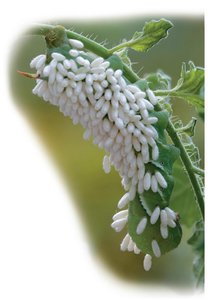
Parasitism is an interaction where one organism, the parasite, derives nourishment from another organism, its host, which is harmed. Parasites may be endoparasites (inside host) or ectoparasites (on host surface).
Complex Life Cycles: Many parasites involve multiple hosts.
Impact: Parasites can affect host survival, reproduction, and population density.
Positive Interactions: Mutualism and Commensalism
Mutualism
Mutualism is an interaction that benefits both species. Some mutualisms are obligatory, while others are facultative.
Example: Acacia trees and ants, mycorrhizae (plants and fungi).
Commensalism
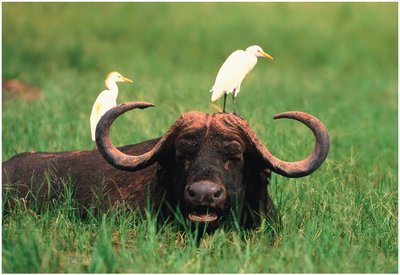
Commensalism benefits one species without affecting the other.
Example: Cattle egrets and African buffalo; egrets benefit from insects stirred up by buffalo, but buffalo are unaffected.
Trophic Structure and Food Webs
Trophic Levels and Food Chains
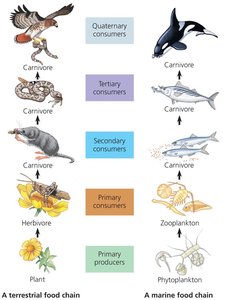
Trophic structure refers to the feeding relationships between organisms in a community. Food chains link trophic levels from producers to top carnivores.
Producers: Plants, algae, phytoplankton.
Primary Consumers: Herbivores.
Secondary Consumers: Carnivores that eat herbivores.
Tertiary Consumers: Carnivores that eat other carnivores.
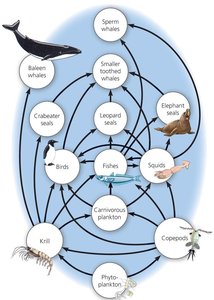
Food Webs
A food web is a network of interconnected food chains, showing complex trophic interactions. Arrows indicate the direction of energy flow from prey to predator.
Disturbance and Ecological Succession
Disturbance
A disturbance is an event that changes a community by removing organisms or altering resource availability. Disturbances can be natural (storms, fires) or human-induced (agriculture, clear-cutting).
Nonequilibrium Model: Communities are constantly changing after disturbances.
Intermediate Disturbance Hypothesis: Moderate levels of disturbance promote greater diversity than high or low levels.
Ecological Succession
Ecological succession is the sequential change in community composition following a disturbance.
Primary Succession: Occurs in lifeless areas (e.g., new volcanic island).
Secondary Succession: Occurs where disturbance removes most but not all organisms.
Ecosystem Dynamics: Energy and Nutrient Cycling
Energy Flow in Ecosystems
Energy enters ecosystems as solar radiation, is transformed by photosynthetic organisms, and dissipated as heat. The first law of thermodynamics states that energy cannot be created or destroyed, only transferred or transformed. The second law of thermodynamics states that every energy exchange increases entropy.
Conservation of Mass
The law of conservation of mass states that matter cannot be created or destroyed. Chemical elements are recycled within ecosystems, but can also be gained or lost.
Biogeochemical Cycles
Biogeochemical cycles involve both biotic and abiotic components and may be global or local. Key cycles include:
Water Cycle: Evaporation, transpiration, condensation, precipitation, movement through surface and groundwater.
Carbon Cycle: Photosynthesis, respiration, fossil fuels, volcanic activity.
Nitrogen Cycle: Nitrogen fixation, nitrification, denitrification, industrial fertilizers.
Phosphorus Cycle: Weathering of rocks, leaching, incorporation into organic molecules, decomposition.
Summary Table: Types of Species Interactions
Interaction | Description |
|---|---|
Competition (−/−) | Two or more species compete for a resource that is in short supply. |
Exploitation (+/−) | One species benefits by feeding upon the other species, which is harmed. Includes predation, herbivory, parasitism. |
Positive interactions (+/+ or +/0) | One species benefits, while the other species benefits or is not harmed. Includes mutualism and commensalism. |
Example: Food Web Structure
The food web illustrates the flow of energy and nutrients through different trophic levels, from producers to consumers and detritivores.
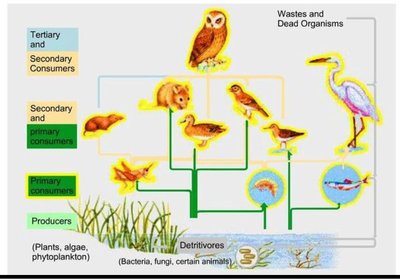
Producers: Plants, algae, phytoplankton Primary Consumers: Herbivores Secondary Consumers: Carnivores Tertiary Consumers: Top predators Detritivores: Bacteria, fungi, certain animals that decompose wastes and dead organisms
