 Indietro
Ecological Communities and Ecosystem Dynamics: Study Notes for General Biology
Guida di studio - Note intelligenti
 Appunti personalizzati basati sui tuoi materiali, ampliati con definizioni chiave, esempi e contesto.
Ecological Communities
Definition and Structure
An ecological community is an assemblage of populations of different species living in close enough proximity to interact. These interactions shape the structure and dynamics of the community.
Community interactions can be beneficial, harmful, or neutral to the species involved.
Examples include mutualism, competition, predation, herbivory, parasitism, and commensalism.
Types of Species Interactions
Species interactions are classified based on their effects on the survival and reproduction of the interacting individuals.
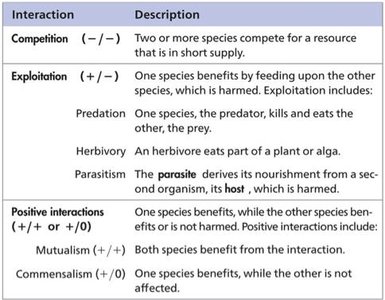
Competition (−/−): Both species are harmed by competing for limited resources.
Exploitation (+/−): One species benefits by feeding on another, which is harmed. Includes predation, herbivory, and parasitism.
Positive interactions (+/+ or +/0): At least one species benefits, and neither is harmed. Includes mutualism and commensalism.
Competition and Ecological Niches
Competition occurs when individuals of different species compete for a resource that limits their survival and reproduction. The principle of competitive exclusion states that two species competing for the same limiting resources cannot permanently coexist.
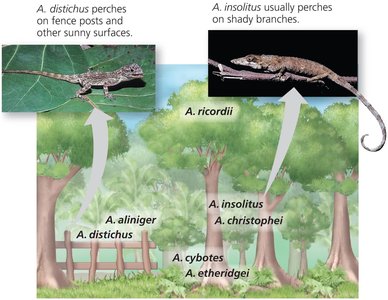
Ecological niche: The specific set of biotic and abiotic resources used by an organism.
Resource partitioning: Differentiation of niches that enables similar species to coexist.
Fundamental niche: The potential niche a species could occupy.
Realized niche: The actual niche occupied when competition is present.
Character Displacement
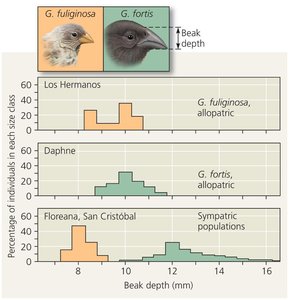
Character displacement occurs when differences between two species are greater in sympatric populations (geographically overlapping) than in allopatric populations (geographically separate), providing indirect evidence of past competition.
Exploitation: Predation, Herbivory, and Parasitism
Predation
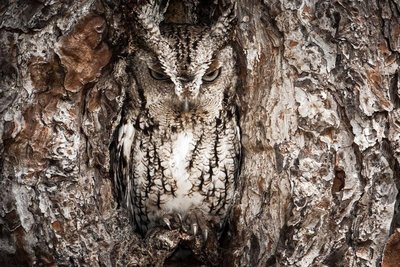
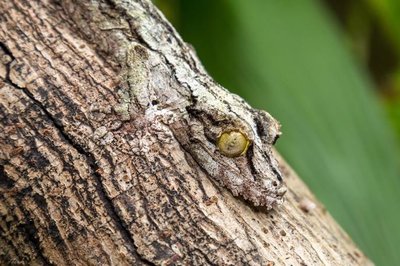
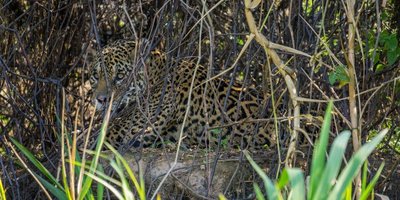
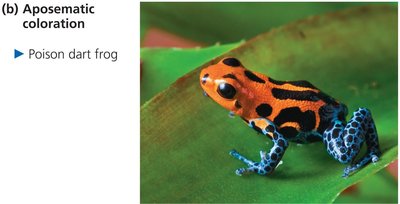
Predation is an interaction in which one species, the pre34dator, kills and eats another species, the prey. Predators have adaptations for locating and capturing prey, while prey have evolved various defensive mechanisms.
Behavioral defenses: Hiding, fleeing, forming groups.
Morphological/physiological defenses: Spines, toxins.
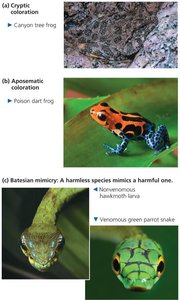
Cryptic coloration: Camouflage to avoid detection.
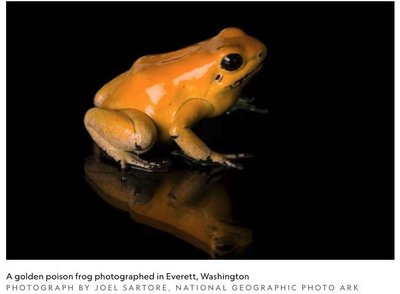
Aposematic coloration: Bright warning colors signaling toxicity.
Mimicry: Batesian mimicry (harmless species mimics harmful one).
Herbivory
Herbivory is an interaction where an herbivore eats parts of a plant or alga, harming but usually not killing it. Herbivores have adaptations for feeding on plants, and plants have evolved defenses such as toxins and protective structures.
Parasitism
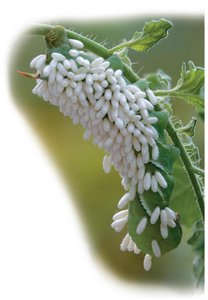
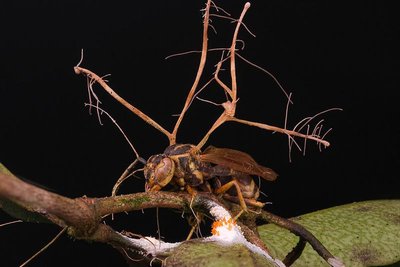
Parasitism is an interaction where one organism (the parasite) derives nourishment from another organism (the host), which is harmed. Parasites may be endoparasites (inside the host) or ectoparasites (on the surface).
Positive Interactions: Mutualism and Commensalism
Mutualism
Mutualism is an interaction that benefits both species. Some mutualisms are obligatory, while others are facultative.
Example: Acacia trees and ants, mycorrhizae (plants and fungi).
Commensalism
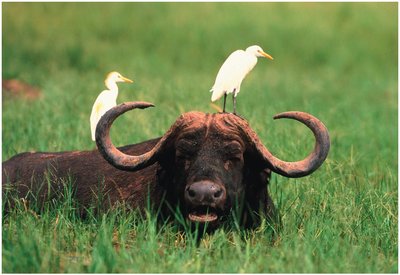
Commensalism benefits one species without affecting the other. For example, cattle egrets feed on insects stirred up by buffalo, benefiting from the buffalo's presence without affecting it.
Community Structure: Diversity and Trophic Structure
Species Diversity
Species diversity includes species richness (number of species) and relative abundance (proportion of each species). Higher diversity increases productivity, stability, and resistance to invasive species.
Trophic Structure
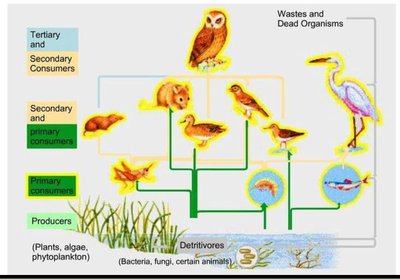
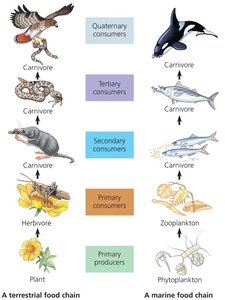
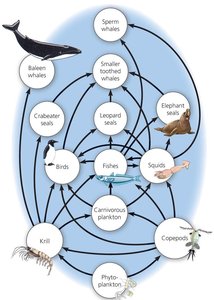
Trophic structure describes the feeding relationships among organisms in a community. Food chains link trophic levels from producers to top carnivores, while food webs show complex interactions.
Producers: Plants, algae, phytoplankton
Primary consumers: Herbivores
Secondary consumers: Carnivores that eat herbivores
Tertiary consumers: Carnivores that eat other carnivores
Detritivores: Decomposers such as bacteria and fungi
Disturbance and Ecological Succession
Disturbance
A disturbance is an event that changes a community by removing organisms or altering resource availability. Disturbances can be natural (storms, fires) or human-induced (agriculture, trawling).
Intermediate disturbance hypothesis: Moderate levels of disturbance promote greater diversity than high or low levels.
Ecological Succession
Ecological succession is the sequential change in community composition following a disturbance.
Primary succession: Occurs in lifeless areas (e.g., after glacial retreat).
Secondary succession: Occurs where disturbance removes most but not all organisms.
Ecosystem Dynamics: Energy Flow and Chemical Cycling
Energy Flow
Energy enters ecosystems as solar radiation, is transformed by photosynthetic organisms, and dissipates as heat. The first law of thermodynamics states that energy cannot be created or destroyed, only transferred or transformed. The second law of thermodynamics states that every energy exchange increases entropy.
Conservation of Mass
The law of conservation of mass states that matter cannot be created or destroyed. Chemical elements are recycled within ecosystems, but can be gained or lost from a particular ecosystem.
Biogeochemical Cycles
Biogeochemical cycles involve both biotic and abiotic components and include the water, carbon, nitrogen, and phosphorus cycles.
Water cycle: Evaporation, transpiration, condensation, precipitation, movement through surface and groundwater.
Carbon cycle: Photosynthesis, respiration, fossil fuels, volcanic activity.
Nitrogen cycle: Nitrogen fixation, nitrification, denitrification, industrial fertilizers.
Phosphorus cycle: Weathering, leaching, incorporation into organic molecules, decomposition.
Pathogens and Community Structure
Pathogens and Disease
Pathogens are disease-causing microorganisms and viruses that can dramatically affect community structure, especially when introduced into new habitats. Many emerging human diseases are zoonotic, transferred from animals to humans, often via vectors such as ticks or mosquitoes.
Interaction | Description |
|---|---|
Competition (−/−) | Two or more species compete for a resource that is in short supply. |
Exploitation (+/−) | One species benefits by feeding upon the other species, which is harmed. Includes predation, herbivory, and parasitism. |
Positive interactions (+/+ or +/0) | One species benefits, while the other species benefits or is not harmed. Includes mutualism and commensalism. |
Example: Coral reef communities affected by white-band disease; sudden oak death reducing bird species abundance.
Additional info: Ecologists use knowledge of community interactions to track and prevent the spread of zoonotic diseases, such as Lyme disease and avian flu.
