 Indietro
Ecology, Biodiversity, and Ecosystem Services: Study Notes for General Biology
Guida di studio - Note intelligenti
 Appunti personalizzati basati sui tuoi materiali, ampliati con definizioni chiave, esempi e contesto.
Ecology: Interactions and Biodiversity
Exploitative Interactions: Predation
Predation is a biological interaction where one organism (the predator) kills and consumes another organism (the prey). Both predators and prey have evolved specific adaptations to increase their survival and reproductive success.
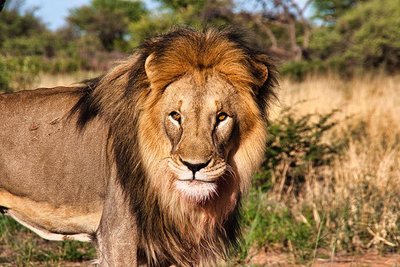
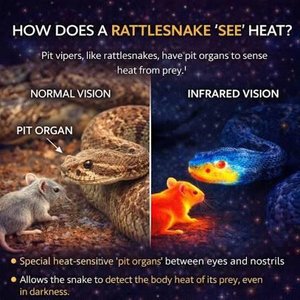
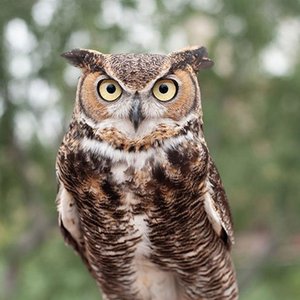
Predator Adaptations: Predators often have forward-facing eyes for binocular vision and depth perception, aiding in hunting. Examples include lions and owls. Some predators, like rattlesnakes, possess specialized heat-sensing organs to detect prey.
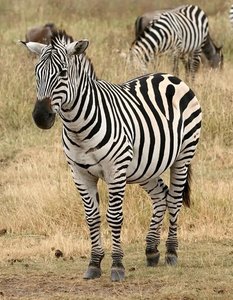
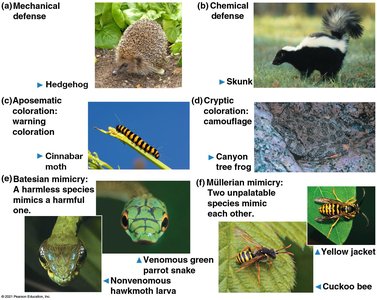
Prey Adaptations: Prey animals typically have side-facing eyes for a wide panoramic field of view, helping them detect predators. They may also exhibit mechanical, chemical, or behavioral defenses.
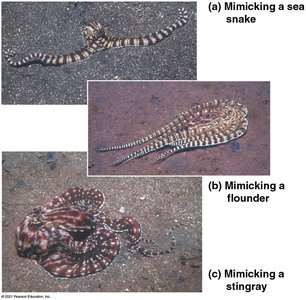
Mimicry: Both predators and prey may use mimicry. For example, the mimic octopus can imitate other marine animals to avoid predation or to hunt.
Exploitative Interactions: Herbivory
Herbivory is an interaction where animals feed on plants or algae. Unlike predation, the prey (plants) are immobile, so herbivores have adaptations to assess plant quality, while plants develop defenses.
Herbivore Adaptations: Sensory organs to assess plant quality (e.g., insects with sensory organs on their feet).
Plant Defenses: Chemical toxins, spines, and thorns to deter herbivores.
Exploitative Interactions: Parasitism
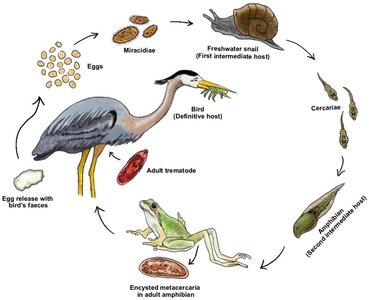
Parasitism is a relationship where one organism (the parasite) benefits at the expense of another (the host). Parasites may live inside (endoparasites) or outside (ectoparasites) their hosts and often have complex life cycles.
Endoparasites: Live inside the host (e.g., tapeworms).
Ectoparasites: Live outside the host (e.g., ticks, lice).
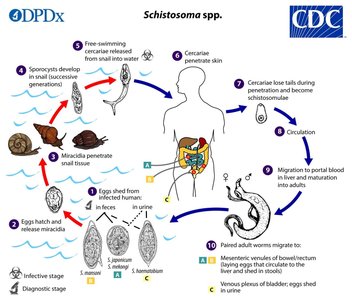
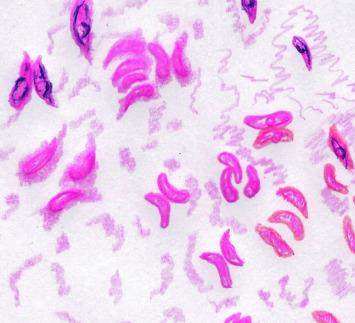
Complex Life Cycles: Many parasites, such as blood flukes (Schistosoma spp.), require multiple hosts to complete their life cycle.
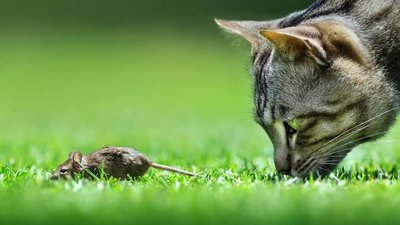
Host Manipulation: Some parasites manipulate host behavior to increase transmission (e.g., Toxoplasma gondii reduces fear of cats in infected rodents).
Positive Interactions: Mutualism and Commensalism
Positive interactions benefit at least one participant and do not harm the other. Mutualism benefits both organisms, while commensalism benefits one without affecting the other.
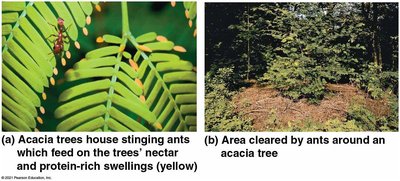
Mutualism: Examples include cellulose digestion in herbivores (microbes in cattle gut), pollination, mycorrhizal nutrient exchange, and photosynthesis by algae in corals.
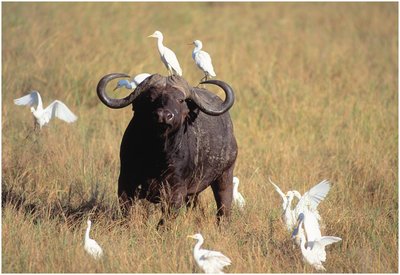
Commensalism: For example, egrets feed on insects stirred up by buffalo, benefiting without affecting the buffalo.
Ecological Succession and Disturbance
Disturbance and Succession
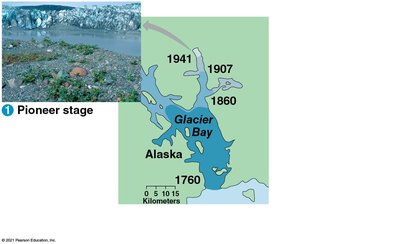
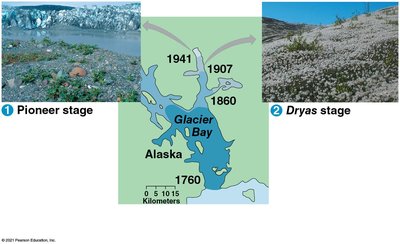
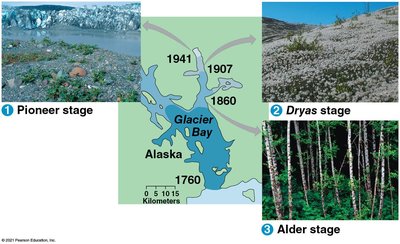
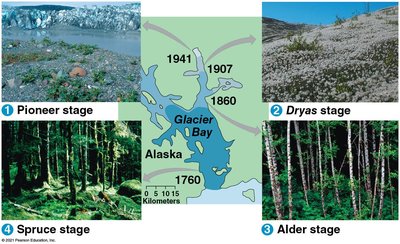
Ecological succession describes the changes in community composition following a disturbance, such as fire, volcanic eruption, or glacier retreat.
Primary Succession: Occurs in areas with no previous life and no soil (e.g., new volcanic islands).
Secondary Succession: Occurs in areas where life existed previously and soil remains (e.g., after fire).
Biodiversity: Levels and Importance
Levels of Biodiversity
Biodiversity encompasses genetic, species, and ecosystem diversity, each contributing to the resilience and functioning of ecosystems.
Genetic Diversity: Variation within and between populations of a species.
Species Diversity: Number of species in an ecosystem; focus of conservation efforts.
Ecosystem Diversity: Variety of ecosystems within a region.
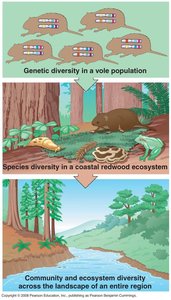
Species Diversity and Conservation Status
Species diversity is assessed by organizations like the International Union for Conservation of Nature (IUCN), which classifies species based on their risk of extinction.
IUCN Categories: Extinct, Extinct in the wild, Critically endangered, Endangered, Vulnerable, Near threatened, Least concern.
Endangered: Species in danger of extinction throughout much of their natural range.
Threatened: Species likely to become endangered in the near future.
Ecosystem Diversity
Ecosystem diversity is the broadest category, encompassing the variety of habitats, biomes, and ecological processes in a region.
Examples: River, forest, and savanna ecosystems.
Global and Regional Biodiversity
Globally, 1.7–2 million species have been described, but estimates range up to 100 million. Many undiscovered species may exist in deep oceans, rainforests, soils, and sediments. South Africa is a biodiversity-rich region with three global hotspots and high endemism.
South Africa: 67,000 animal species, 20,400 plant species, Cape Floristic Region (9,000 plant species, 69% endemic), 13,000 marine species (33% endemic).
KZN: Multiple biomes and bioregions, part of the Maputaland-Pondoland-Albany hotspot.
Ecosystem Services
Categories of Ecosystem Services
Ecosystem services are the benefits humans obtain from ecosystems, classified into four main categories.
Provisioning Services: Products directly obtained from ecosystems (food, medicine, raw materials).
Regulating Services: Benefits from regulation of ecosystem processes (pollination, pest control, water purification).
Cultural Services: Non-material benefits (recreation, aesthetic value, spiritual significance).
Supporting Services: Necessary for production of other services (soil formation, nutrient cycling, primary production).
Provisioning Services
Provisioning services include food, medicinal plants, and raw materials. Bio-prospecting seeks new chemicals for medicine, such as alkaloids from the rosy periwinkle (Catharanthus roseus), used to treat cancer.
Regulating Services
Regulating services maintain ecosystem health. Pollinators like the Western honey bee (Apis mellifera) are crucial for crop production. Pest control and water purification are also vital.
Cultural Services
Cultural services provide non-material benefits, including recreation, ecotourism, aesthetic beauty, and spiritual values. Many indigenous plant species are integral to local cultures.
Supporting Services
Supporting services underpin all other ecosystem services, such as soil formation, nutrient recycling, and primary production.
Soil Formation: Decomposing organisms break down dead material.
Nutrient Recycling: Returns nutrients to the soil.
Primary Production: Plants produce biomass to support ecosystems.
Summary Table: Levels of Biodiversity
Level | Description | Example |
|---|---|---|
Genetic Diversity | Variation within and between populations | Different alleles in a vole population |
Species Diversity | Number of species in an ecosystem | Coastal redwood ecosystem |
Ecosystem Diversity | Variety of ecosystems in a region | River, forest, savanna |
Key Equations and Concepts
Species Richness: The number of species present in an ecosystem.
Shannon Diversity Index: Where H is the diversity index, S is the number of species, and pi is the proportion of individuals in species i.
Additional info: The notes expand on ecological interactions, biodiversity, and ecosystem services, providing context and examples for each concept. Images included are directly relevant to the explanations and reinforce key points.
