 Indietro
Energy, Enzymes, and Metabolism: Study Notes for General Biology
Guida di studio - Note intelligenti
 Appunti personalizzati basati sui tuoi materiali, ampliati con definizioni chiave, esempi e contesto.
Metabolism
Definition and Overview
Metabolism encompasses all the chemical reactions occurring within cells or organisms. These reactions include both the synthesis (anabolism) and breakdown (catabolism) of molecules, as well as energy transformations necessary for life. - Metabolism: The sum of all chemical reactions in a biological system. - Anabolism: Building larger molecules from smaller ones (requires energy). - Catabolism: Breaking down larger molecules into smaller ones (releases energy).
Energy in Biological Systems
Types of Energy
Energy is essential for cellular processes and exists in two main forms:
Potential Energy: Stored energy due to position or structure (e.g., energy in chemical bonds, concentration gradients).
Kinetic Energy: Energy of motion or active use (e.g., movement of molecules, muscle contraction).
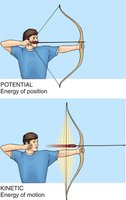
Physical Laws Governing Energy
Biological systems obey the laws of physics and chemistry, especially the laws of thermodynamics:
First Law of Thermodynamics: Energy cannot be created or destroyed, only transformed from one form to another.
Second Law of Thermodynamics: Systems tend toward disorder (entropy) unless energy is input. Life depends on energy from the sun to maintain order.
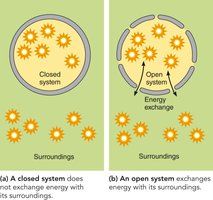
Chemical Reactions and Free Energy
Exergonic and Endergonic Reactions
Chemical reactions in cells either release energy (exergonic) or require energy input (endergonic). The change in free energy () determines the direction and spontaneity of reactions. - Exergonic Reaction: Releases energy; is negative; occurs spontaneously. - Endergonic Reaction: Requires energy input; is positive; not spontaneous. 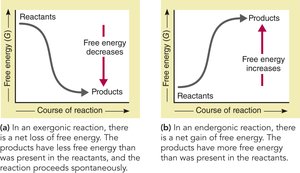
ATP: The Energy Currency of Cells
Structure and Function
ATP (adenosine triphosphate) is a nucleic acid molecule that stores and transfers energy within cells. Its high-energy phosphate bonds are key to cellular work. - ATP Structure: Adenine base, ribose sugar, three phosphate groups. - Hydrolysis of ATP: Releases energy by breaking the bond between phosphate groups. - ADP: Adenosine diphosphate, formed when ATP loses a phosphate. 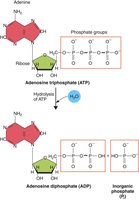
ATP Cycle
ATP is regenerated from ADP and inorganic phosphate () using energy from exergonic reactions, and then used to drive endergonic reactions. 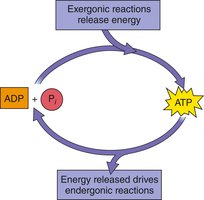
Redox Reactions
Oxidation and Reduction
Many energy conversions involve redox reactions, where electrons (and their energy) are transferred between molecules. - Oxidation: Loss of electrons (often loss of hydrogen atom). - Reduction: Gain of electrons (often gain of hydrogen atom). - Oxidizing Agent: Accepts electrons and is reduced. - Reducing Agent: Donates electrons and is oxidized.
Mnemonic: "LEO the lion says GER" (Loss of Electrons is Oxidation, Gain of Electrons is Reduction)
Mnemonic: "OIL RIG" (Oxidation Is Loss, Reduction Is Gain)
Enzymes
Role and Properties
Enzymes are biological catalysts, usually proteins, that speed up chemical reactions by lowering activation energy. - Activation Energy: The energy required to start a reaction. - Specificity: Each enzyme catalyzes a specific reaction. - Reusable: Enzymes are not consumed in the reaction and can be used repeatedly until denatured. - Control: Enzymes regulate metabolic pathways; controlling enzymes controls metabolism.
Enzyme Mechanism
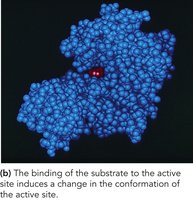
Enzymes bind substrates at their active site, often inducing a conformational change for a better fit (induced fit model). 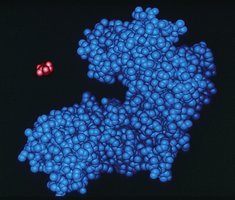
Classes of Enzymes
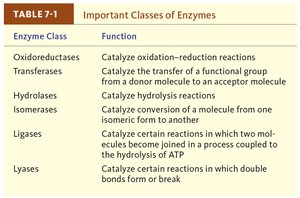
Enzymes are classified by the type of reaction they catalyze.
Enzyme Class | Function |
|---|---|
Oxidoreductases | Catalyze oxidation-reduction reactions |
Transferases | Catalyze transfer of functional groups |
Hydrolases | Catalyze hydrolysis reactions |
Isomerases | Catalyze conversion between isomers |
Ligases | Catalyze joining of molecules, often coupled to ATP hydrolysis |
Lyases | Catalyze formation or breaking of double bonds |
Factors Affecting Enzyme Activity
Enzyme activity is influenced by physical and chemical factors: - Temperature: Each enzyme has an optimum temperature; extreme temperatures can denature enzymes. - pH: Each enzyme has an optimum pH; deviations can reduce activity or denature the enzyme. 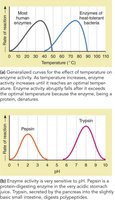
Coenzymes and Cofactors
Some enzymes require additional molecules to function: - Coenzymes: Organic molecules, often vitamins, that assist enzyme function. - Cofactors: Inorganic ions, often minerals, required for enzyme activity.
Enzyme Concentration and Substrate Concentration
- Increasing enzyme concentration increases reaction rate (if substrate is abundant). - Increasing substrate concentration increases reaction rate up to a point, after which enzymes become saturated. 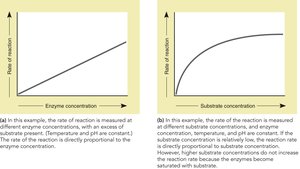
Enzyme Inhibition
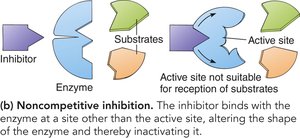
Enzyme activity can be regulated by inhibitors: - Competitive Inhibitors: Bind to the active site, competing with the substrate. - Noncompetitive Inhibitors: Bind elsewhere, changing enzyme shape and reducing activity. 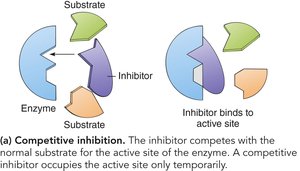
Metabolic Pathways
Organization and Regulation
Metabolic reactions are organized into pathways, where each step is catalyzed by a specific enzyme. - Pathway: Series of reactions converting a starting molecule to an end product. 
Regulation of Metabolic Pathways
Pathways are regulated by controlling enzyme production and activity:
Genetic Control: Regulating enzyme synthesis.
Physical Environment: Adjusting temperature and pH.
Biochemical Control: Using coenzymes, cofactors, and inhibitors.
Feedback Inhibition
Most metabolic pathways are regulated by negative feedback, where the end product inhibits an earlier step, preventing overproduction. 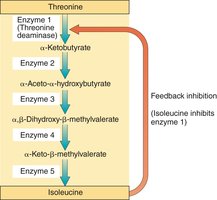 Example: Isoleucine inhibits the first enzyme in its biosynthetic pathway, stopping further production when enough is made.
Additional info: These notes expand on brief points with academic context, definitions, and examples to ensure completeness and clarity for exam preparation.
