 Indietro
Energy, Metabolism, and Enzyme Function in Cells
Guida di studio - Note intelligenti
 Appunti personalizzati basati sui tuoi materiali, ampliati con definizioni chiave, esempi e contesto.
Energy and Metabolism
Metabolic Pathways
Metabolic pathways are sequences of chemical reactions occurring within a cell. Each step is catalyzed by a specific enzyme, transforming a starting molecule into a final product through a series of intermediates.
Catabolic pathways break down complex molecules, releasing energy (e.g., cellular respiration).
Anabolic pathways build complex molecules from simpler ones, consuming energy (e.g., protein synthesis).
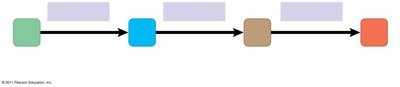
Metabolism is the sum of all chemical reactions in an organism and is governed by the laws of thermodynamics.
The Laws of Thermodynamics
First Law (Conservation of Energy): Energy can be transferred and transformed, but not created or destroyed.
Second Law: The entropy (disorder) of the universe is always increasing. For any spontaneous process, the total entropy change (ΔS) of the universe is positive.
Living systems maintain order locally, but overall entropy increases when considering both the system and its surroundings.
Free Energy and Spontaneity
Free energy (ΔG) is the energy available to do work in a system. The change in free energy determines whether a process is spontaneous.
Equation:
ΔH = enthalpy (heat content)
ΔS = entropy (disorder)
T = temperature in Kelvin
Processes with a negative ΔG are spontaneous (exergonic), while those with a positive ΔG are nonspontaneous (endergonic).
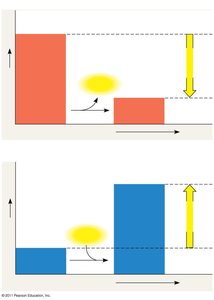
Exergonic reactions: Release energy (ΔG < 0), spontaneous.
Endergonic reactions: Require energy input (ΔG > 0), nonspontaneous.
ATP: The Energy Currency of the Cell
Adenosine triphosphate (ATP) is the primary energy carrier in cells. It couples exergonic and endergonic reactions, allowing energy from catabolic reactions to drive anabolic processes.
ATP is composed of ribose (a sugar), adenine (a nitrogenous base), and three phosphate groups.
Hydrolysis of ATP releases energy by breaking a phosphate bond, forming ADP and inorganic phosphate (Pi).
ATP regeneration occurs by phosphorylation of ADP.
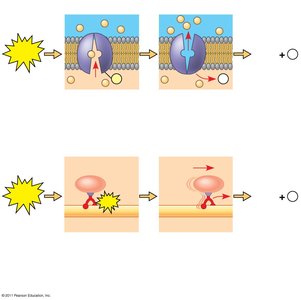
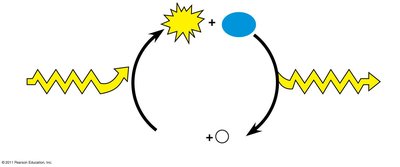
ATP drives cellular work by transferring a phosphate group to other molecules (phosphorylation), creating a phosphorylated intermediate that is more reactive.
Enzymes and Catalysis
Enzyme Function
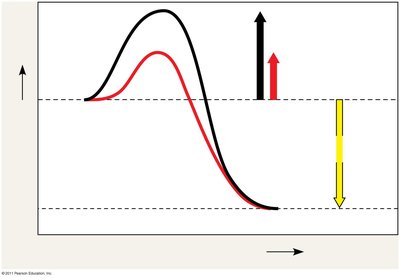
Enzymes are biological catalysts, usually proteins, that speed up chemical reactions without being consumed. They lower the activation energy (EA) required for reactions to proceed.
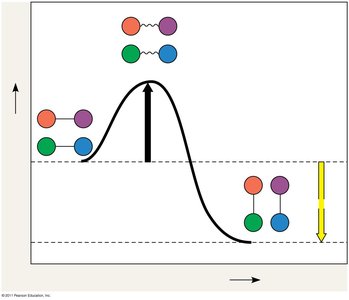
Enzymes do not change the ΔG of a reaction; they only affect the rate.
Enzyme Structure and Mechanism
Enzymes have a specific region called the active site where substrates (reactants) bind. The enzyme-substrate complex forms, and the enzyme facilitates the reaction by:
Orienting substrates correctly
Straining substrate bonds
Providing a favorable microenvironment
Forming temporary covalent bonds with the substrate
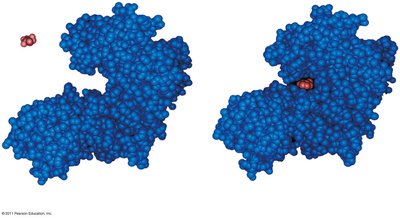
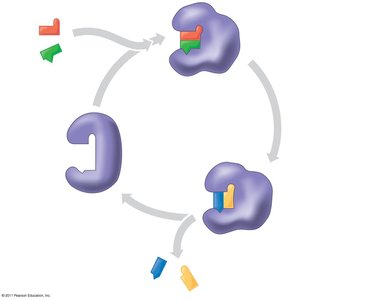
The induced fit model describes how the enzyme changes shape to better fit the substrate upon binding.
Factors Affecting Enzyme Activity
Enzyme activity is influenced by environmental factors such as temperature and pH. Each enzyme has optimal conditions for activity.
High temperatures or extreme pH can denature enzymes, reducing activity.
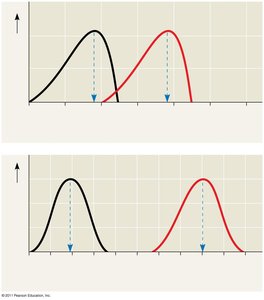
Enzyme evolution allows adaptation to different environments, resulting in homologous enzymes with different optimal conditions in different organisms.
Cofactors and Coenzymes
Cofactors are nonprotein helpers required for enzyme activity. They can be inorganic (e.g., metal ions) or organic (coenzymes, such as vitamins).
Enzyme Inhibition
Enzyme inhibitors reduce or block enzyme activity. There are two main types:
Competitive inhibitors: Bind to the active site, competing with the substrate.
Noncompetitive inhibitors: Bind elsewhere on the enzyme, changing its shape and reducing activity.
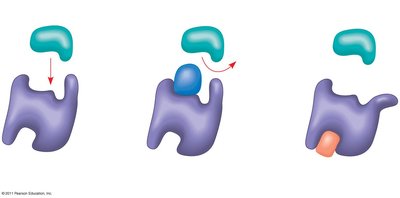
Examples include toxins, drugs, and antibiotics.
Regulation of Enzyme Activity
Cells regulate metabolism by controlling enzyme activity through several mechanisms:
Gene expression (switching enzyme production on/off)
Allosteric regulation
Feedback inhibition
Enzyme localization within the cell
Allosteric Regulation
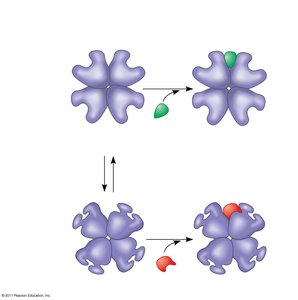
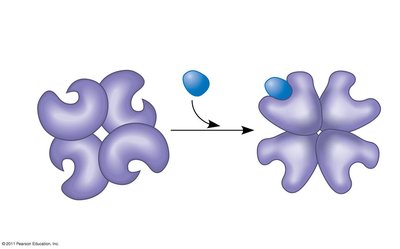
Allosteric regulation involves regulatory molecules binding to sites other than the active site, stabilizing the enzyme in active or inactive forms. Cooperativity is a special case where substrate binding at one active site affects activity at other sites.
Feedback Inhibition
In feedback inhibition, the end product of a metabolic pathway inhibits an enzyme involved earlier in the pathway, preventing overproduction and conserving resources.
Enzyme Localization
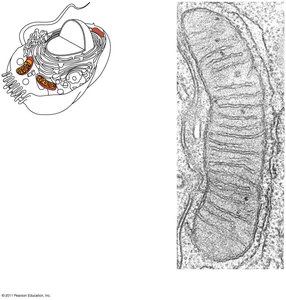
Enzymes are often compartmentalized within specific organelles (e.g., mitochondria for cellular respiration), allowing regulation and efficiency of metabolic pathways.
