 Indietro
Enzyme Regulation and Cellular Respiration: Study Notes for General Biology
Guida di studio - Note intelligenti
 Appunti personalizzati basati sui tuoi materiali, ampliati con definizioni chiave, esempi e contesto.
Enzyme Regulation in Metabolism
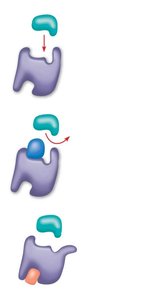
Enzyme Inhibitors
Enzyme inhibitors are molecules that decrease or halt the activity of enzymes, playing a crucial role in metabolic regulation. There are two main types:
Competitive inhibitors: Bind to the active site of an enzyme, directly competing with the substrate. Their effect can be reduced by increasing substrate concentration.
Noncompetitive inhibitors: Bind to a different site on the enzyme, causing a conformational change that reduces the effectiveness of the active site.
Examples: Toxins, poisons, pesticides, and antibiotics often act as enzyme inhibitors.
Allosteric Regulation
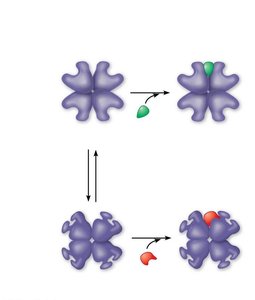
Allosteric regulation involves the binding of regulatory molecules to sites other than the active site, affecting enzyme activity. This can either inhibit or activate the enzyme.
Allosteric activators: Stabilize the active form of the enzyme, increasing activity.
Allosteric inhibitors: Stabilize the inactive form, decreasing activity.
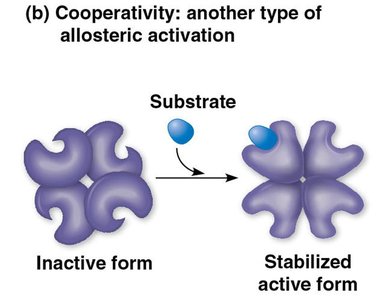
Cooperativity: A form of allosteric activation where substrate binding to one active site triggers a shape change, enhancing activity at other sites.
Feedback Inhibition
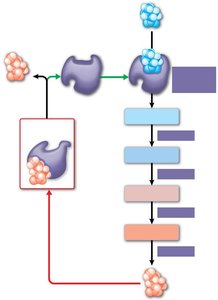
Feedback inhibition is a regulatory mechanism where the end product of a metabolic pathway inhibits an earlier step, preventing overproduction and waste of resources.
Mechanism: The end product binds to an allosteric site on an enzyme, shutting down the pathway.
Importance: Ensures efficient utilization of cellular resources.
Cellular Respiration and Fermentation
Overview of Cellular Respiration
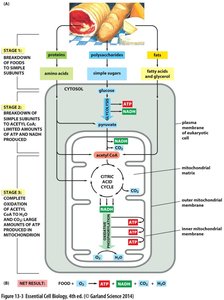
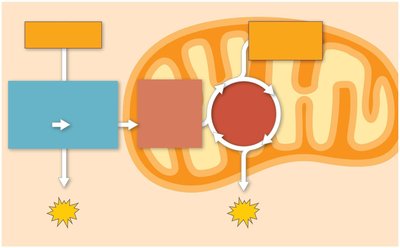
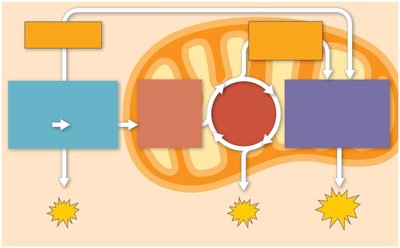
Cellular respiration is the process by which cells extract energy from food molecules, primarily glucose, to synthesize ATP. It consists of several stages:
Glycolysis: Breakdown of glucose into pyruvate in the cytosol.
Pyruvate Oxidation and Citric Acid Cycle: Complete oxidation of pyruvate to CO2 in the mitochondria.
Oxidative Phosphorylation: ATP synthesis via the electron transport chain and chemiosmosis.
Redox Reactions in Cellular Respiration
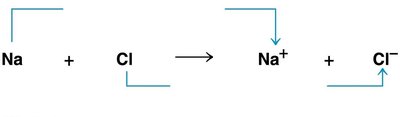
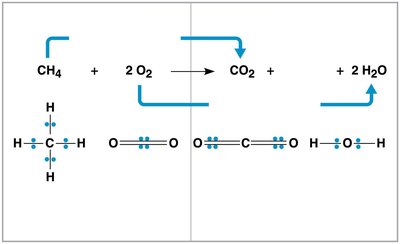
Cellular respiration relies on oxidation-reduction (redox) reactions, where electrons are transferred between molecules:
Oxidation: Loss of electrons.
Reduction: Gain of electrons.
Electron carriers: NAD+ and FAD are key coenzymes that shuttle electrons.


Electron Carriers: NAD+ and NADH
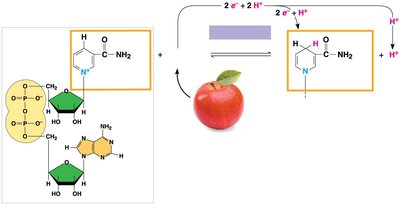
NAD+ acts as an oxidizing agent, accepting electrons and becoming NADH. NADH stores energy and transfers electrons to the electron transport chain.
Reduction of NAD+:
Oxidation of NADH:

Stages of Cellular Respiration
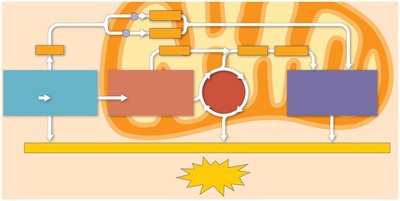
The process of cellular respiration is divided into three main stages:
Glycolysis: Occurs in the cytosol, breaks down glucose into two pyruvate molecules.
Pyruvate Oxidation and Citric Acid Cycle: Occurs in the mitochondria, completes the breakdown of glucose.
Oxidative Phosphorylation: Electron transport and chemiosmosis produce most ATP.
Glycolysis
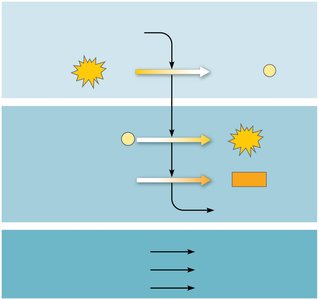
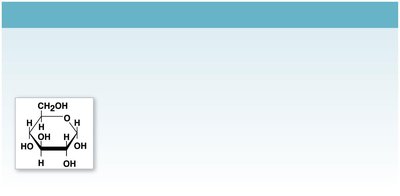
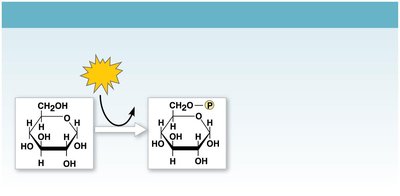
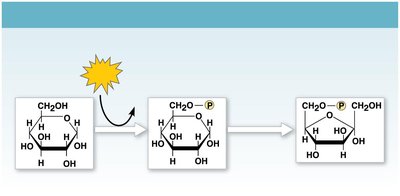
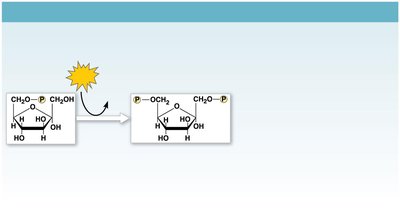
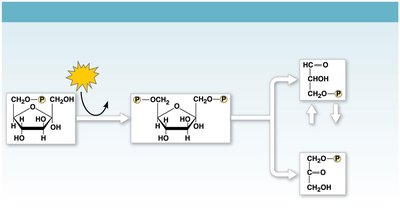
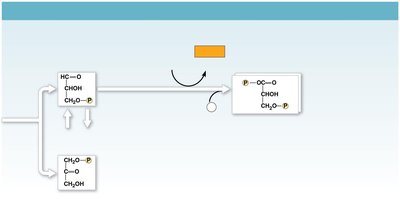
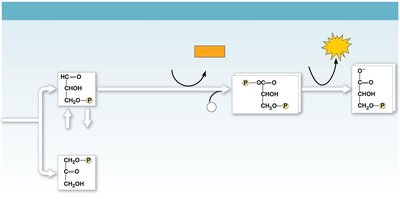
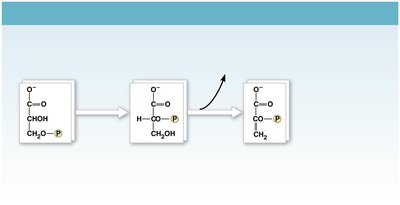
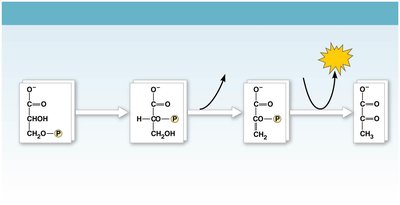
Glycolysis is the first step in cellular respiration, breaking down glucose into pyruvate and generating ATP and NADH. It consists of two phases:
Energy investment phase: ATP is used to phosphorylate glucose.
Energy payoff phase: ATP and NADH are produced.
Net yield: 2 ATP, 2 NADH, and 2 pyruvate per glucose molecule.
Pyruvate Oxidation
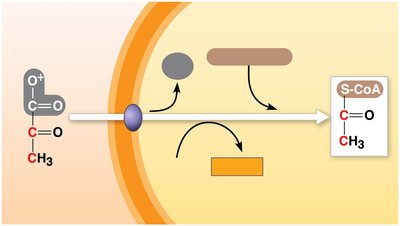
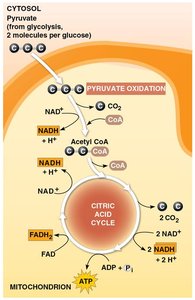
Pyruvate produced in glycolysis is transported into the mitochondria and converted to acetyl CoA, releasing CO2 and producing NADH.
Location: Mitochondrial matrix.
Products: Acetyl CoA, NADH, CO2.
Citric Acid Cycle (Krebs Cycle)
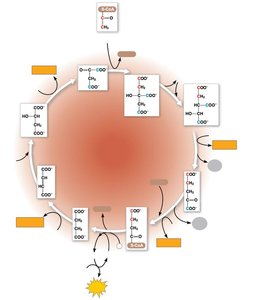
The citric acid cycle completes the oxidation of acetyl CoA, generating NADH, FADH2, ATP, and CO2.
Location: Mitochondrial matrix.
Products per glucose: 6 NADH, 2 FADH2, 2 ATP, 4 CO2.
ATP production: Occurs via substrate-level phosphorylation.
Oxidative Phosphorylation: Electron Transport Chain and Chemiosmosis
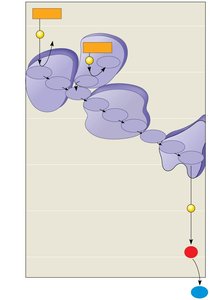
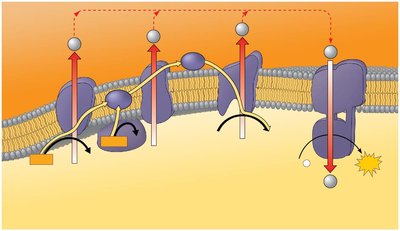
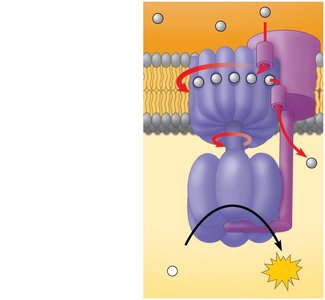
Oxidative phosphorylation is the final stage of cellular respiration, where NADH and FADH2 donate electrons to the electron transport chain, leading to ATP synthesis.
Electron transport chain: Located in the inner mitochondrial membrane; electrons are passed through protein complexes and cytochromes.
Final electron acceptor: Oxygen, forming water.
ATP synthesis: Driven by the proton gradient via ATP synthase (chemiosmosis).
Yield: Up to 30-32 ATP per glucose molecule.
Fermentation and Anaerobic Respiration
When oxygen is unavailable, cells can produce ATP through fermentation or anaerobic respiration:
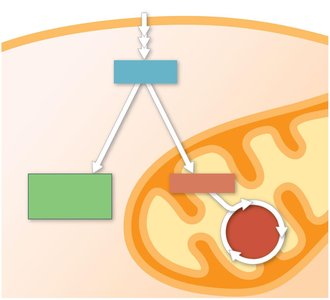
Fermentation: Glycolysis followed by conversion of pyruvate to lactate (in muscles) or ethanol (in yeast), regenerating NAD+.
Anaerobic respiration: Uses an electron transport chain with a final electron acceptor other than oxygen (e.g., sulfate).
ATP yield: Fermentation produces only 2 ATP per glucose.
Comparing Fermentation, Anaerobic, and Aerobic Respiration
All three processes use glycolysis, but differ in electron acceptors and ATP yield:
Fermentation: Organic molecule (pyruvate or acetaldehyde) is the final electron acceptor.
Anaerobic respiration: Inorganic molecule (e.g., sulfate) is the final electron acceptor.
Aerobic respiration: Oxygen is the final electron acceptor, yielding the most ATP.
Regulation of Cellular Respiration
Cellular respiration is regulated by feedback inhibition, ensuring efficient energy production and resource utilization.
ATP concentration: High ATP slows respiration; low ATP speeds it up.
Enzyme regulation: Key enzymes are regulated at strategic points in the pathway.
Metabolic Pathways and Catabolism
Glycolysis and the citric acid cycle are central to many metabolic pathways, connecting catabolism and anabolism:
Carbohydrates: Can enter glycolysis at various points.
Proteins: Must be deaminated before entering the cycle; nitrogenous waste is excreted.
Fats: Broken down by beta oxidation to acetyl CoA, yielding more ATP than carbohydrates.
Evolutionary Significance of Glycolysis
Glycolysis is an ancient metabolic pathway, used by early prokaryotes before oxygen was present in the atmosphere. It remains a fundamental process in both fermentation and cellular respiration.
