 Indietro
Epigenetic Regulation of Gene Expression in Eukaryotes
Guida di studio - Note intelligenti
 Appunti personalizzati basati sui tuoi materiali, ampliati con definizioni chiave, esempi e contesto.
Epigenetics and Gene Expression
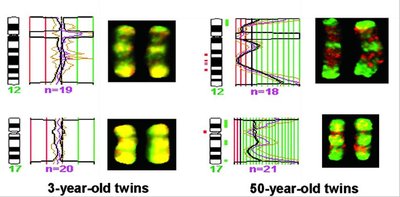
Epigenetic Differences in Identical Twins
Although identical twins share the same genome, they can become biologically different as they age due to changes in their epigenome. The epigenome consists of chemical modifications to DNA and DNA-associated proteins that regulate gene expression and are heritable during cell division. These modifications can diverge between twins over time due to individual environmental exposures and random biological events.
Epigenetic drift refers to the gradual divergence of epigenetic marks between individuals, even with identical DNA.
Key epigenetic modifications include DNA methylation and histone modification.
These changes can lead to differences in gene expression and phenotype.
Levels of Control of Gene Expression in Eukaryotes
Overview of Gene Expression Regulation
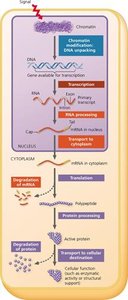
Gene expression in eukaryotic cells is regulated at multiple levels, allowing for precise control over which genes are active, when, and to what extent. The nine major levels of control are:
Chromatin modification: DNA unpacking to make genes accessible
Transcription: Initiation and regulation of RNA synthesis
RNA processing: Splicing, capping, and polyadenylation of pre-mRNA
Transport to cytoplasm: Movement of mature mRNA out of the nucleus
Degradation of mRNA: Control of mRNA stability
Translation: Regulation of protein synthesis from mRNA
Protein processing: Folding and modification of proteins
Degradation of protein: Targeted destruction of proteins
Transport of protein to cellular destination: Localization of proteins within the cell
Chromatin Structure and Gene Accessibility
Chromatin Organization
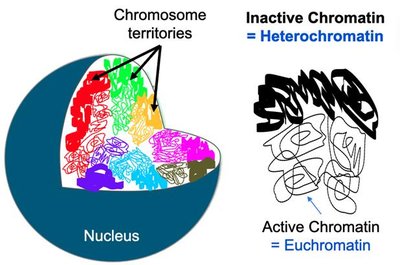
In eukaryotes, DNA is wrapped around histone proteins to form chromatin. The structure of chromatin determines whether genes are accessible for transcription:
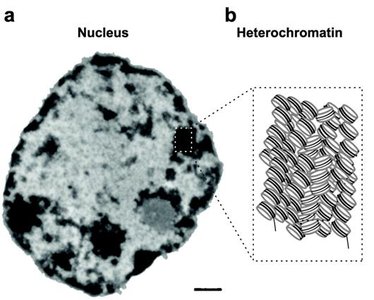
Open chromatin (euchromatin): Loosely packed, transcriptionally active
Closed chromatin (heterochromatin): Densely packed, transcriptionally inactive
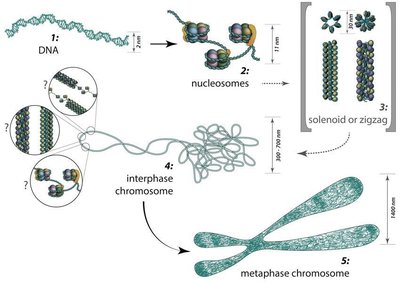
Chromatin is a complex of DNA, proteins, and RNA, and its main role is to package the genome efficiently within the nucleus.
Epigenetic Modifications: DNA Methylation
DNA Methylation and Gene Silencing
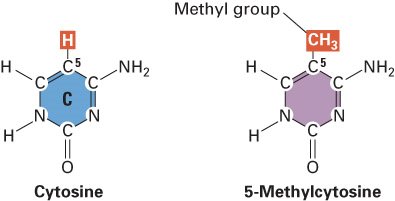
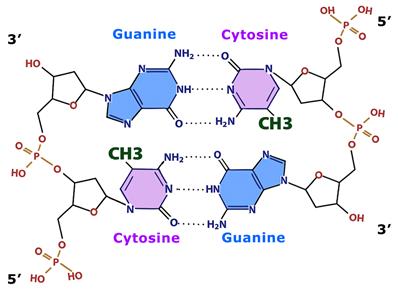
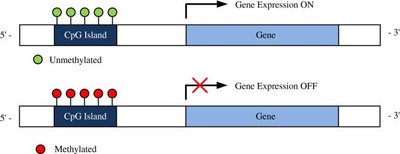
DNA methylation involves the addition of a methyl group to the 5' position of cytosine residues, typically in the context of CpG dinucleotides. This modification is associated with gene silencing, especially when it occurs in promoter regions.
Methylated cytosines are often found in CpG islands—clusters of CpG sites near gene promoters.
Methylation can prevent transcription factors from binding, thus repressing gene expression.
Inheritance of DNA Methylation Patterns
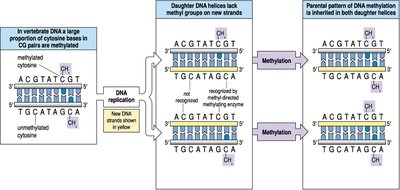
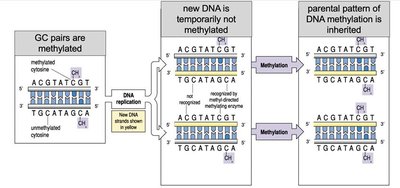
DNA methylation patterns are heritable during cell division. After DNA replication, the parental methylation pattern is copied onto the new DNA strand, ensuring that cell-type-specific gene expression is maintained.
Tissue-Specific Gene Expression
Different cell types (e.g., lung vs. breast cells) have unique methylation patterns, leading to tissue-specific gene expression. Even if transcription factors are present, a highly methylated promoter will keep a gene "off." This underlies the structure-function relationship in multicellular organisms.
Epigenetics and Disease: Cancer
Aberrant Methylation in Cancer
Changes in DNA methylation are common in cancer. Some genes become hypomethylated (leading to inappropriate activation), while others become hypermethylated (leading to silencing of tumor suppressor genes).
Tumor suppressor genes (e.g., p53) are often silenced by hypermethylation in cancer cells.
Proto-oncogenes may be activated by hypomethylation, promoting uncontrolled cell division.
For example, the p53 protein is a tumor suppressor that halts cell division in response to DNA damage. Loss of p53 function, often through mutation or epigenetic silencing, is a hallmark of many cancers.
Histone Modifications and Chromatin Remodeling
Histone Acetylation and Gene Activation
Histone proteins can be chemically modified, most notably by acetylation of lysine residues in their tails. Histone acetylation neutralizes the positive charge of lysines, reducing their interaction with negatively charged DNA and resulting in a more open chromatin structure that is accessible for transcription.
Histone acetyltransferases (HATs) add acetyl groups, promoting gene expression.
Histone deacetylases (HDACs) remove acetyl groups, leading to chromatin condensation and gene silencing.
Example: In honeybees, larvae fed royal jelly (which contains HDAC inhibitors) develop into queens with more active gene expression compared to worker bees.
Summary Table: Epigenetic Modifications and Their Effects
Modification | Effect on Chromatin | Effect on Gene Expression |
|---|---|---|
DNA Methylation | Condenses chromatin | Gene silencing |
Histone Acetylation | Opens chromatin | Gene activation |
Histone Deacetylation | Condenses chromatin | Gene silencing |
Key Terms and Concepts
Epigenome: The complete set of chemical modifications to DNA and histone proteins that regulate gene expression.
DNA methylation: Addition of a methyl group to cytosine, often silencing gene expression.
Histone modification: Chemical changes to histone proteins (e.g., acetylation, methylation) that affect chromatin structure and gene activity.
Chromatin: The complex of DNA, histones, and other proteins that package the genome in eukaryotic cells.
CpG island: A region with a high frequency of CpG sites, often found near gene promoters and subject to methylation.
Proto-oncogene: A gene that promotes cell division; can become an oncogene if abnormally activated.
Tumor suppressor gene: A gene that inhibits cell division; loss of function can lead to cancer.
