 Indietro
Evolution and Structure of Vascular Plants: Seedless and Seed Plants
Guida di studio - Note intelligenti
 Appunti personalizzati basati sui tuoi materiali, ampliati con definizioni chiave, esempi e contesto.
The Evolution of Vascular Plants
Overview of Plant Groups
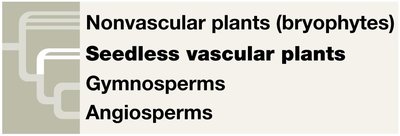
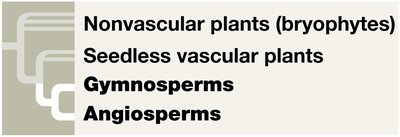
Vascular plants are a major group within the plant kingdom, characterized by specialized tissues for transporting water, nutrients, and organic compounds. The evolution of vascular tissue enabled plants to grow taller and colonize diverse terrestrial environments. The main groups of plants include nonvascular plants (bryophytes), seedless vascular plants, gymnosperms, and angiosperms.
Nonvascular plants (bryophytes): Lack specialized vascular tissue; include mosses and liverworts.
Seedless vascular plants: Possess vascular tissue but reproduce via spores; include ferns and lycophytes.
Gymnosperms: Seed plants with "naked" seeds not enclosed in chambers.
Angiosperms: Seed plants with seeds enclosed in ovaries; produce flowers and fruits.
Vascular Tissue: Xylem and Phloem
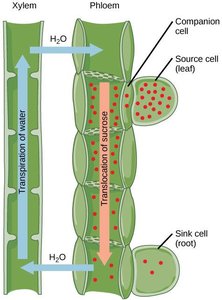
Vascular plants have two main types of vascular tissue: xylem and phloem. These tissues are essential for the transport of water, minerals, and organic products throughout the plant.
Xylem: Transports water and mineral nutrients from roots to shoots. Cells are dead at maturity and walls are strengthened by lignin.
Phloem: Transports organic products, such as sugars and amino acids, from source cells (leaves) to sink cells (roots or storage organs). Cells are alive at maturity and include companion cells for metabolic support.
Seedless Vascular Plants
Structural Adaptations
Seedless vascular plants evolved lignified vascular tissue, which provides structural support and enables plants to grow tall. This adaptation allowed for greater competition for sunlight and more effective spore dispersal.
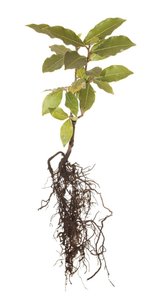
Roots: Absorb water and nutrients from the soil and anchor plants.
Leaves: Primary photosynthetic organs; two types evolved:
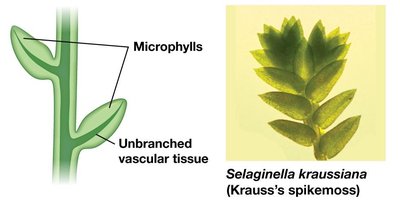
Microphylls: Small leaves with a single strand of vascular tissue, found only in lycophytes.
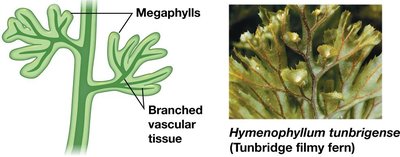
Megaphylls: Large leaves with a highly branched vascular system, found in most other vascular plants.
Dominance in the Carboniferous Period
Seedless vascular plants dominated the Carboniferous period, forming extensive forests and contributing to the formation of coal deposits. Their tall growth and spore dispersal mechanisms were key to their ecological success.
Seed Plants: Gymnosperms and Angiosperms
Key Innovations: Seeds and Pollen
Seed plants evolved several adaptations that allowed them to colonize dry habitats and diversify:
Seeds: Consist of an embryo, food supply, and protective coat. Provide protection, dormancy, and dispersal advantages over spores.
Pollen: Enables long-distance transfer of sperm without water, facilitating reproduction in dry environments.
Gymnosperms
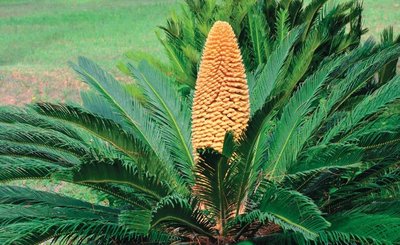
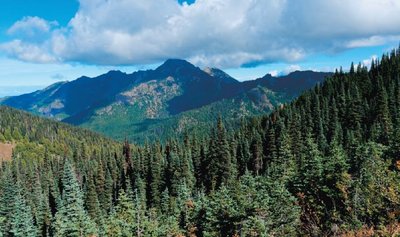
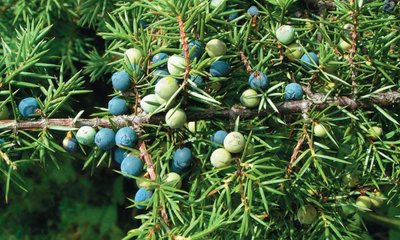
Gymnosperms are seed plants with "naked" seeds not enclosed in chambers. They include cycads, fir trees, and junipers. Gymnosperms were prominent in drier Permian conditions and evolved needle-like leaves and thick cuticles to minimize water loss.
Angiosperms
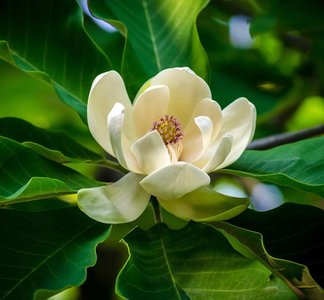
Angiosperms are seed plants that produce flowers and fruits. They are the most diverse and widespread group, with over 290,000 species. Flowers are specialized for sexual reproduction, often involving animal pollinators. Fruits protect seeds and aid in their dispersal.
Vascular Plant Structure and Growth
Plant Organs and Tissue Systems
Vascular plants are composed of organs (roots, stems, leaves), tissues (dermal, vascular, ground), and cells. Each organ and tissue system has specialized functions:
Roots: Anchor plant, absorb water and minerals, store carbohydrates.
Stems: Support leaves and buds, transport materials, and orient shoot for photosynthesis.
Leaves: Main site of photosynthesis, gas exchange, and other functions.
Structure of Woody Stems
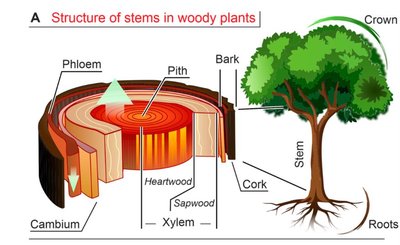
Woody plants undergo secondary growth, increasing stem diameter through the activity of the vascular cambium and cork cambium. The stem structure includes:
Pith: Central region for storage.
Xylem: Water transport; heartwood (older, nonfunctional) and sapwood (active).
Phloem: Sugar transport.
Cambium: Meristematic tissue for growth.
Cork: Protective outer layer.
Bark: All tissues external to the vascular cambium.
Leaf Adaptations
Megaphylls vs. Microphylls
Leaves evolved to maximize photosynthesis and resource acquisition. Megaphylls have a branched vascular system, while microphylls have a single strand. These adaptations are linked to plant evolutionary history and ecological niches.
Summary Table: Plant Groups and Key Features
Plant Group | Vascular Tissue | Reproduction | Key Adaptations |
|---|---|---|---|
Nonvascular plants (bryophytes) | No | Spore | Moist habitats, small size |
Seedless vascular plants | Yes | Spore | Lignin, roots, leaves |
Gymnosperms | Yes | Seed | Naked seeds, needle leaves |
Angiosperms | Yes | Seed | Flowers, fruits, enclosed seeds |
Conclusion
The evolution of vascular tissue, roots, leaves, seeds, and pollen enabled plants to diversify and dominate terrestrial ecosystems. Understanding these adaptations is fundamental to the study of plant biology and ecology.
