 Indietro
Evolution, Classification, and Life Cycles of Seed Plants: Gymnosperms and Angiosperms
Guida di studio - Note intelligenti
 Appunti personalizzati basati sui tuoi materiali, ampliati con definizioni chiave, esempi e contesto.
Plant Evolution and Classification
Major Plant Groups
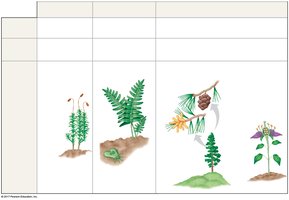
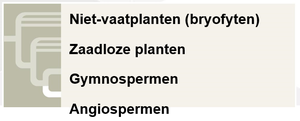
Plants are classified into several major groups based on their evolutionary history and reproductive adaptations. The main groups include non-vascular plants (bryophytes), seedless vascular plants, gymnosperms, and angiosperms. Understanding these groups is essential for grasping the evolutionary progression of land plants.
Non-vascular plants (Bryophytes): These include mosses, liverworts, and hornworts. They lack vascular tissue and reproduce via spores.
Seedless vascular plants: Includes ferns and club mosses. They possess vascular tissue but reproduce via spores, not seeds.
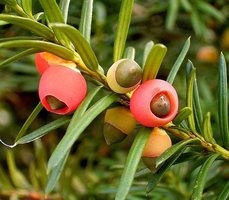
Gymnosperms: Seed plants with naked seeds, typically borne in cones. Examples include conifers, cycads, ginkgo, and gnetophytes.
Angiosperms: Seed plants with seeds enclosed in fruits, produced by flowers. This is the most diverse and widespread group.
Evolutionary Timeline and Dominance
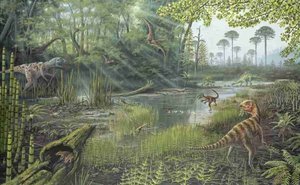
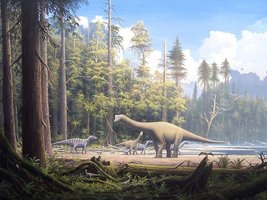
Seed plants evolved from earlier vascular plants and became dominant in terrestrial ecosystems. Gymnosperms appeared early and dominated during the Mesozoic era, while angiosperms emerged later and rapidly diversified.
Gymnosperms: Dominated during the Mesozoic era (about 252 million years ago).
Angiosperms: Appeared in the Cretaceous period (~140 million years ago) and quickly became the dominant plant group.
Seed Plant Classification
Phylogenetic Relationships
Seed plants are divided into two main clades: gymnosperms and angiosperms. Gymnosperms include four major orders: Cycadophyta, Ginkgophyta, Gnetophyta, and Coniferophyta. Angiosperms are further divided into monocots and dicots.
Gymnosperms: Cycadophyta, Ginkgophyta, Gnetophyta, Coniferophyta
Angiosperms: Monocots (one cotyledon), Dicots (two cotyledons)
Gymnosperms (Naked Seed Plants)
Characteristics and Adaptations
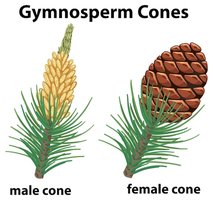
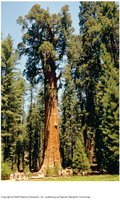
Gymnosperms are seed plants with reproductive adaptations such as cones. They are well adapted to dry environments and dominate northern latitudes.
Reproductive structures: Male and female cones
Adaptations: Reduced need for water during fertilization, seeds for dispersal
Dominance: Conifers are the most abundant gymnosperms today
Orders of Gymnosperms
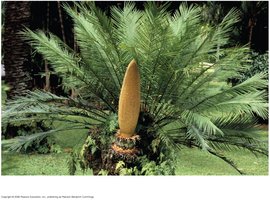
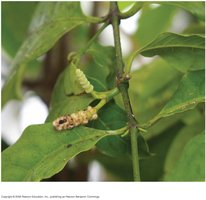
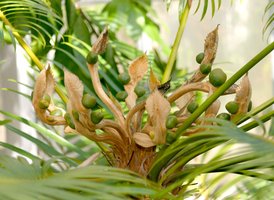
Cycadophyta: Tropical/subtropical plants resembling palms
Ginkgophyta: One living species, Ginkgo biloba
Gnetophyta: Three genera: Gnetum, Ephedra, Welwitschia
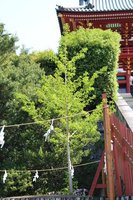
Coniferophyta: Conifers such as pines, spruces, firs
Angiosperms (Flowering Plants)
Characteristics and Diversity
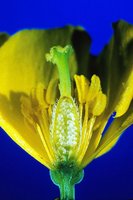
Angiosperms are seed plants with reproductive adaptations such as flowers and fruits. They are the most diverse and widespread group of plants.
Reproductive structures: Flowers and fruits
Diversity: Estimated 370,000 species
Adaptations: Efficient pollination and seed dispersal mechanisms
Seed Plant Evolution and Life Cycles
Heterospory and Seed Evolution
Seed plants are heterosporous, producing two types of spores: megaspores (female) and microspores (male). The gametophyte develops within the sporophyte, and seeds become the primary means of dispersal.
Heterospory: Megasporangia produce megaspores (female gametophyte); microsporangia produce microspores (male gametophyte)
Seed advantages: Dormancy, dispersal, protection
Ovule Structure and Fertilization
An ovule consists of a megasporangium, megaspore, and protective integuments. Gymnosperms typically have one integument, while angiosperms have two. Pollination delivers pollen to the ovule, and fertilization occurs without the need for water.
Ovule: Megasporangium, megaspore, integuments
Pollination: Transfer of pollen to ovule-containing structures
Fertilization: Pollen tube delivers sperm to egg
Life Cycles of Gymnosperms and Angiosperms
Gymnosperm Life Cycle
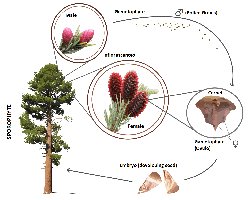
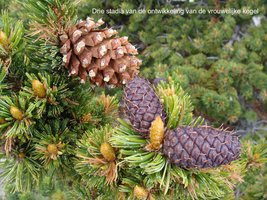
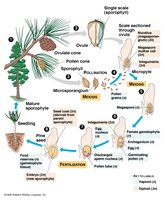
Gymnosperms have distinct male and female cones. The male cones produce pollen, which fertilizes ovules in female cones. The fertilized ovule develops into a seed.
Male cone: Produces pollen
Female cone: Contains ovules
Seed: Contains embryo, food supply, and protective coat
Angiosperm Life Cycle
Angiosperms reproduce via flowers, which contain male (stamen) and female (carpel) organs. Pollination leads to double fertilization, resulting in an embryo and endosperm within a seed.
Flower structure: Sepals, petals, stamens, carpels
Double fertilization: One sperm fertilizes the egg (embryo), another fertilizes the central cell (endosperm)
Seed: Embryo, endosperm, seed coat
Monocots vs. Eudicots
Key Differences
Angiosperms are divided into monocots and eudicots based on structural features.
Feature | |||
|---|---|---|---|
Embryo | Monocots | Eudicots | |
One cotyledon | Two cotyledons | ||
Leaf veins | Parallel | Net-like | |
Vascular bundles | Scattered | In a ring | |
Root system | Fibrous | Taproot | |
Pollen | One opening | Three openings | |
Flower parts | Multiples of three | Multiples of four or five |
Summary Table: Major Plant Groups
Group | Reproductive Structure | Vascular Tissue | Seed Presence |
|---|---|---|---|
Bryophytes | Spores | No | No |
Seedless Vascular Plants | Spores | Yes | No |
Gymnosperms | Cones | Yes | Yes (naked) |
Angiosperms | Flowers | Yes | Yes (enclosed) |
Conclusion
Seed plants, including gymnosperms and angiosperms, represent a major evolutionary advancement in plant reproduction and dispersal. Their adaptations have enabled them to dominate terrestrial ecosystems and diversify into a vast array of forms.
