 Indietro
Evolution: Mechanisms, Evidence, and Speciation
Guida di studio - Note intelligenti
 Appunti personalizzati basati sui tuoi materiali, ampliati con definizioni chiave, esempi e contesto.
Evolution
Historical Perspectives on Evolution
Early ideas about the diversity of life and its origins laid the foundation for modern evolutionary theory. Philosophers and scientists such as Aristotle, Linnaeus, Hutton, Lyell, and Lamarck contributed to our understanding of how species change over time.
Scala Naturae (Scale of Nature): Aristotle proposed that organisms could be arranged on a scale of increasing complexity, with each species existing permanently as is. This idea was later disproven by evidence of evolutionary change.
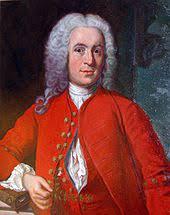
Carolus Linnaeus: Developed the modern system of taxonomy, introducing binomial nomenclature (genus and species names) and organizing species in a nested hierarchy based on shared characteristics. Linnaeus believed this reflected the order of creation, not evolutionary relationships.
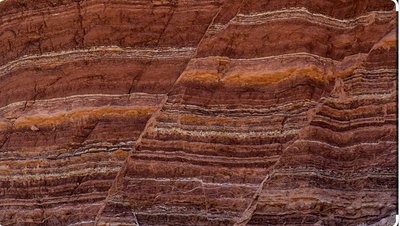
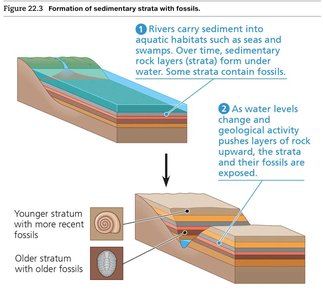
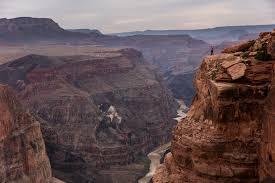
James Hutton and Charles Lyell: Proposed that geological processes occur slowly over vast periods, shaping Earth's surface. Lyell emphasized that these processes are ongoing, suggesting that Earth is very old. This provided Darwin with the context for gradual biological change.
Jean-Baptiste Lamarck: Suggested that traits acquired during an organism's lifetime could be inherited (inheritance of acquired traits) and that use or disuse of traits led to their development or reduction. While incorrect, Lamarck was the first to propose a mechanism for evolution.
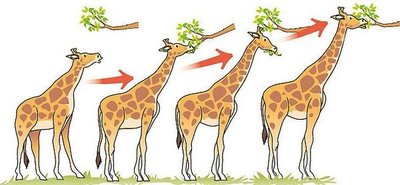
Additional info: Modern genetics has shown that acquired traits are not inherited, but Lamarck's emphasis on adaptation influenced later evolutionary thought.
Darwin and the Theory of Natural Selection
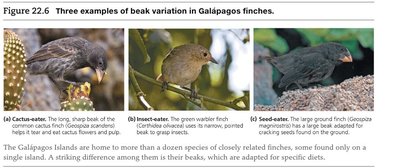
Charles Darwin's theory of natural selection provided a scientific explanation for how evolution occurs. Natural selection is the process by which individuals with advantageous traits survive and reproduce at higher rates, leading to the accumulation of those traits in a population over generations.
Descent with Modification: Organisms share similarities due to common ancestry, but differences arise as populations adapt to different environments over time.
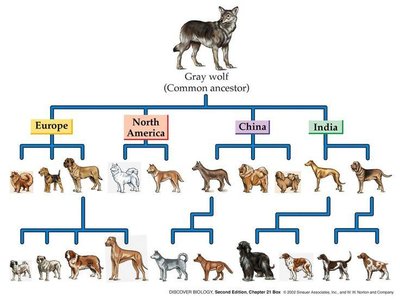
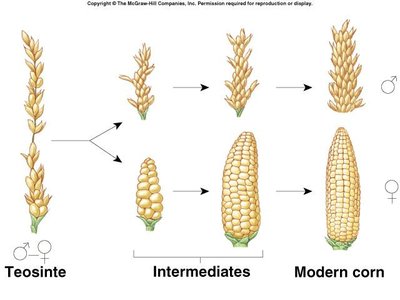
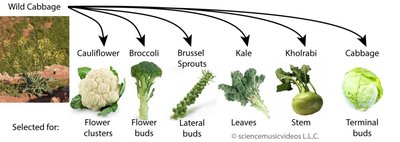
Artificial Selection: Humans selectively breed organisms for desirable traits, demonstrating the power of selection to shape species.
Key Points of Natural Selection:
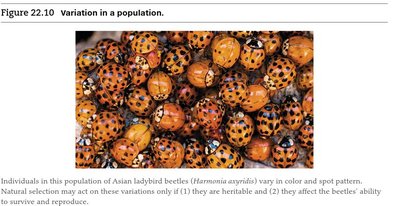
Variation exists within populations.
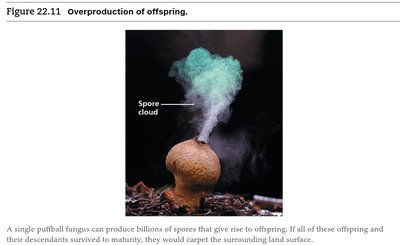
Organisms produce more offspring than the environment can support.
Competition for limited resources leads to differential survival and reproduction.
Over time, advantageous traits become more common in the population.
Genetic Mechanisms of Evolution
Evolutionary change is driven by genetic variation and mechanisms that alter allele frequencies in populations.
Mutation: The ultimate source of genetic variation, introducing new alleles into a population.
Gene Flow: Movement of alleles between populations through migration.
Genetic Drift: Random changes in allele frequencies, especially in small populations (e.g., bottleneck and founder effects).
Nonrandom Mating: Includes assortative mating and sexual selection, leading to changes in genotype frequencies.
Horizontal Gene Transfer
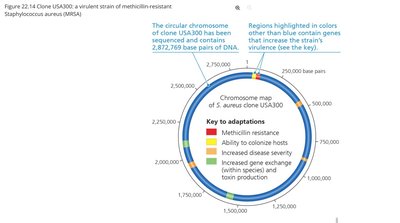
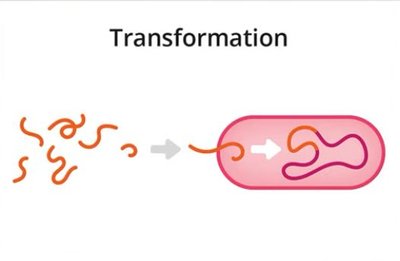
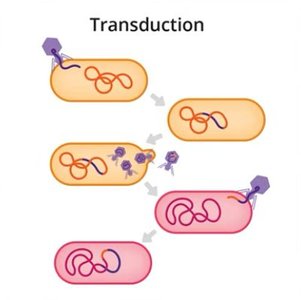
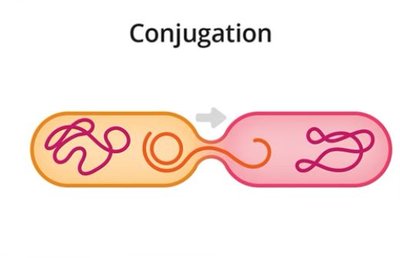
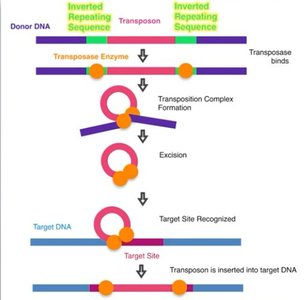
Genes can be transferred between organisms in ways other than traditional reproduction, especially in prokaryotes.
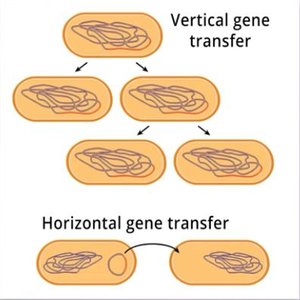
Vertical Gene Transfer: Genes passed from parent to offspring.
Horizontal Gene Transfer: Genes transferred between unrelated organisms.
Transformation: Uptake of foreign DNA from the environment.
Transduction: Transfer of DNA via bacteriophages (viruses that infect bacteria).
Conjugation: Direct transfer of DNA between bacteria through a pilus.
Transposons: "Jumping genes" that can move within and between genomes.
Evidence for Evolution
Multiple lines of evidence support the theory of evolution, including comparative anatomy, embryology, molecular biology, and the fossil record.
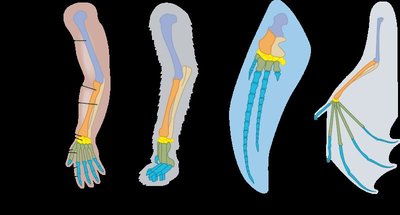
Homologous Structures: Similar structures in different species due to common ancestry, which may have different functions (e.g., vertebrate limbs).
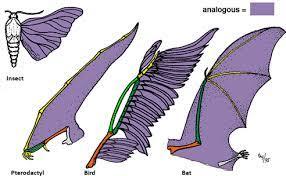
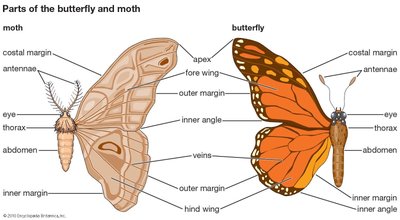
Analogous Structures: Similar functions but different evolutionary origins, resulting from convergent evolution (e.g., wings of insects, birds, and bats).
Vestigial Structures: Remnants of features that served important functions in ancestors (e.g., human tailbone, whale pelvis).
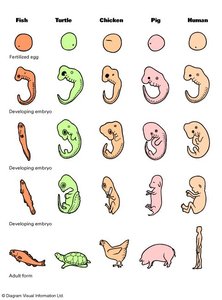
Embryological Development: Similarities in early development among vertebrates indicate common ancestry; differences arise from changes in gene expression timing and intensity.
The Fossil Record and Biogeography
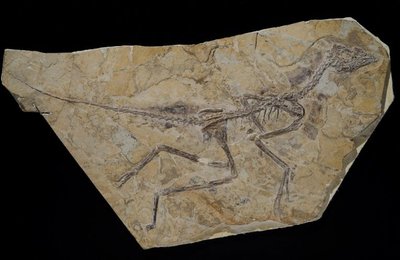
Fossils provide direct evidence of evolutionary change over time, while biogeography explains the distribution of species based on historical events such as continental drift.
Transitional Fossils: Show intermediate forms between ancestral and modern species, supporting gradual evolutionary change.
Continental Drift: Explains the presence of related species on continents now separated by oceans, as they once shared a common ancestor before the continents split.
Population Genetics and Evolution
Genetic Variation in Populations
Evolution acts on populations, not individuals. Genetic variation is essential for evolution and arises from mutations, gene duplication, rapid reproduction, and sexual reproduction.
Phenotypic Variation: Not all genetic mutations result in observable changes; some are silent or occur in non-coding regions.
Sources of Genetic Variation: Mutation, altering gene number/position, rapid reproduction, and sexual recombination.
Hardy-Weinberg Equilibrium
The Hardy-Weinberg principle provides a mathematical model to study genetic variation in populations. It predicts allele and genotype frequencies will remain constant from generation to generation in the absence of evolutionary forces.
Equations:
Conditions for Equilibrium: No mutation, no migration, no natural selection, large population size, and random mating.
Example: If 29% of a population is recessive (), then , and .
Speciation and the Origin of Species
Species Concepts and Identification
Species are defined and identified using multiple criteria, including the biological species concept, morphological characteristics, and molecular data.
Biological Species Concept: Members of the same species can interbreed and produce fertile offspring.
Diagnostic Traits: Unique characteristics used to identify species.
Molecular Data: DNA, RNA, and protein sequences are compared to distinguish species, especially useful for microorganisms.
Cryptic Species: Species that are morphologically similar but genetically distinct.
Reproductive Isolating Mechanisms
Reproductive barriers prevent gene flow between species and are classified as prezygotic or postzygotic.
Prezygotic Barriers: Prevent fertilization (habitat, temporal, behavioral, mechanical, and gamete isolation).
Postzygotic Barriers: Occur after fertilization (hybrid inviability, hybrid sterility, hybrid breakdown).
Example: Mules (offspring of a horse and donkey) are sterile due to an uneven number of chromosomes.
Modes of Speciation
Allopatric Speciation: Occurs when populations are geographically separated, leading to genetic divergence and the formation of new species.
Sympatric Speciation: Occurs without geographic separation, often through adaptation to different microhabitats or polyploidy in plants.
Reinforcement: Natural selection strengthens prezygotic barriers to prevent the production of unfit hybrids when diverging populations come into contact.
Rates of Evolution
Gradualism: Species evolve slowly and steadily over time, with many transitional forms.
Punctuated Equilibrium: Species experience rapid changes during speciation events, followed by long periods of stability.
Additional info: Both models are supported by the fossil record, depending on environmental stability and the rate of change.
