 Indietro
Fungi: Structure, Diversity, and Life Cycles
Guida di studio - Note intelligenti
 Appunti personalizzati basati sui tuoi materiali, ampliati con definizioni chiave, esempi e contesto.
Fungi: Structure, Diversity, and Life Cycles
Overview of Fungi
Fungi are a diverse kingdom of eukaryotic organisms that play essential roles in ecosystems as decomposers, mutualists, and pathogens. They are primarily multicellular, heterotrophic, and absorb nutrients from their environment through specialized structures.
Eukaryotic: Fungi possess membrane-bound organelles and a true nucleus.
Multicellular (mostly): Most fungi are multicellular, though some (e.g., yeasts) are unicellular.
Heterotrophic and Absorptive: Fungi obtain nutrients by secreting exoenzymes that break down complex molecules, then absorbing the resulting smaller organic molecules.
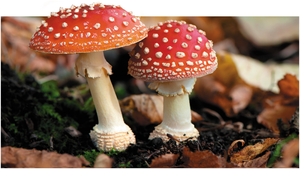
Fungal Structure
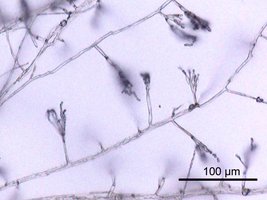
The main structural unit of fungi is the hypha, a thin, tubular filament. Hyphae collectively form a network called a mycelium, which is responsible for nutrient absorption and growth.
Hyphae: Thread-like structures, usually haploid, that grow and branch extensively.
Mycelium: A mass of hyphae that constitutes the main body of the fungus.
Septa: Cross-walls that divide hyphae into cells; septa often have pores allowing organelles to move between cells.
Fungal Nutrition
Fungi are heterotrophs that do not ingest food but absorb nutrients after external digestion. Their ecological roles are diverse:
Decomposers (Saprotrophs): Break down dead organic matter, recycling nutrients in ecosystems.
Parasites: Obtain nutrients from living hosts, often causing disease.
Mutualists: Form beneficial relationships with other organisms (e.g., mycorrhizae with plants, lichens with algae/cyanobacteria).
Predators: Some fungi trap and consume small organisms.
Fungal Diversity and Phylogeny
Major Fungal Groups
Fungi are classified into several major phyla, each with unique characteristics and ecological roles. The phylogeny of fungi reflects their evolutionary relationships and adaptations.
Phylum | Key Features | Ecological Roles |
|---|---|---|
Cryptomycota (Cryptomycetes) | Unicellular, flagellated spores, chitin-rich cell wall | Parasitic |
Microsporidia | Unicellular, reduced mitochondria, non-flagellated spores, harpoon-like organelle | Parasitic |
Chytridiomycota (Chytrids) | Flagellated zoospores, unicellular/multicellular, chitin cell walls | Parasitic, mutualists, decomposers |
Zoopagomycota | Zygosporangium (sexual), non-flagellated spores (asexual) | Parasitic, commensal |
Mucoromycota | Multicellular, zygosporangium | Pathogens, decomposers, mutualists |
Ascomycota (Ascomycetes) | Ascocarps, asci, conidia, unicellular/multicellular | Pathogens, decomposers, mutualists |
Basidiomycota (Basidiomycetes) | Basidiocarps, basidia, unicellular/multicellular | Pathogens, decomposers, mutualists |
Fungal Phylogeny and Supergroups
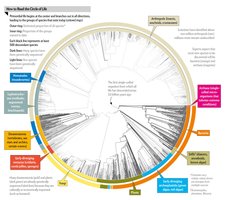
Fungi belong to the Unikonta supergroup, which also includes animals. Their evolutionary relationships are depicted in phylogenetic trees, showing divergence from other eukaryotic lineages.
Fungal Life Cycles and Reproduction
Generalized Fungal Life Cycle
Fungi exhibit both sexual and asexual reproductive cycles. The generalized life cycle includes the following stages:
Plasmogamy: Fusion of cytoplasm from two parent mycelia.
Heterokaryotic Stage: Cells contain two or more genetically distinct haploid nuclei.
Karyogamy: Fusion of nuclei to form a diploid zygote.
Meiosis: The diploid zygote undergoes meiosis to produce haploid spores.
Germination: Spores germinate to form new mycelia.
Key Terms:
Haploid (n): Most of the fungal life cycle is spent in the haploid state.
Diploid (2n): The diploid phase is brief, limited to the zygote formed after karyogamy.
Heterokaryotic: Cells with two or more haploid nuclei from different parents.
Equation for Meiosis:
This represents the reduction of chromosome number during meiosis, producing four haploid cells from one diploid cell.
Life Cycle Variations Among Fungal Groups
While the generalized life cycle applies broadly, specific groups of fungi have unique reproductive structures and cycles:
Ascomycetes: Produce spores in sac-like asci, often within fruiting bodies called ascocarps.
Basidiomycetes: Produce spores on club-shaped basidia, typically within basidiocarps (mushrooms).
Mucoromycetes and Zoopagomycetes: Form zygosporangia during sexual reproduction.
Ecological Roles and Importance of Fungi
Ecological Functions
Fungi are crucial for ecosystem functioning due to their roles in decomposition, nutrient cycling, and symbiotic relationships.
Decomposers: Break down complex organic matter, releasing nutrients back into the environment.
Mutualists: Mycorrhizal fungi enhance plant nutrient uptake; lichens are symbiotic associations with algae or cyanobacteria.
Pathogens: Cause diseases in plants, animals, and humans (e.g., rusts, smuts, chytrid infections in amphibians).
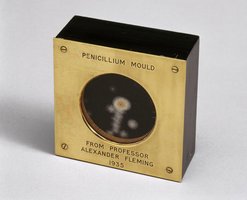
Biotechnology: Fungi are sources of antibiotics (e.g., Penicillium produces penicillin) and are used in food production.
Summary Table: Fungal Groups and Key Features
Group | Reproductive Structure | Example | Ecological Role |
|---|---|---|---|
Ascomycota | Ascus/Ascocarp | Yeasts, morels | Decomposer, mutualist, pathogen |
Basidiomycota | Basidium/Basidiocarp | Mushrooms, puffballs | Decomposer, mutualist, pathogen |
Chytridiomycota | Zoospore | Chytrids | Decomposer, pathogen |
Microsporidia | Spore | Microsporidia | Pathogen |
Key Terms and Definitions
Plasmogamy: Fusion of cytoplasm from two parent mycelia.
Karyogamy: Fusion of nuclei from two parent cells, resulting in a diploid zygote.
Heterokaryotic: Stage where cells contain nuclei from different parents.
Mycelium: Network of fungal hyphae forming the main body of the fungus.
Hypha: Individual filament of a fungus.
Ascocarp: Fruiting body of ascomycetes.
Basidiocarp: Fruiting body of basidiomycetes (e.g., mushroom).
Zygosporangium: Thick-walled sexual structure in some fungi.
Examples and Applications
Mushrooms: Basidiocarps of basidiomycetes, important decomposers in forests.
Penicillium: Ascomycete mold, source of the antibiotic penicillin.
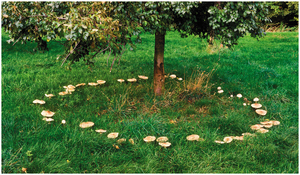
Fairy Rings: Circular growth pattern of mushrooms, indicating the spread of mycelium underground.
Additional info: The above notes integrate textbook-level context and definitions to ensure completeness and clarity for exam preparation.
